

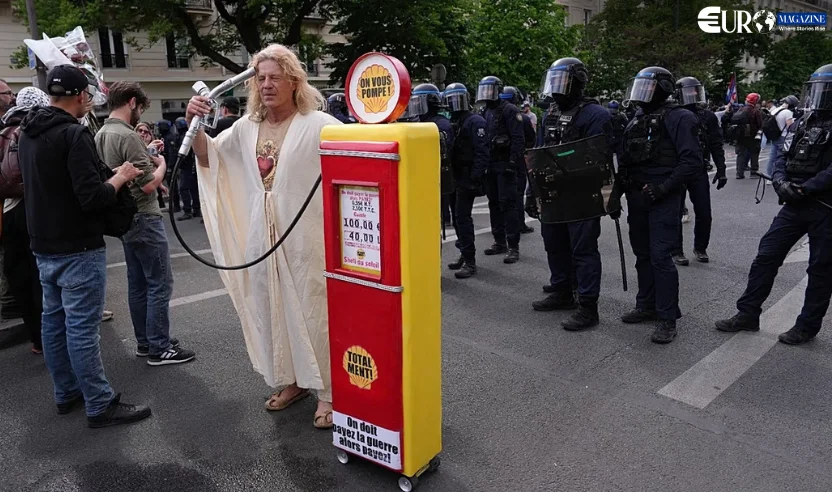
Rising road fuel prices have added an estimated €53 billion to costs across the European Union since the start of the Iran war, according to a report from Brussels-based environmental group Transport & Environment (T&E).
The report estimates that higher fuel prices are adding about €270 million a day to EU road-transport costs, including €203 million from diesel and €67 million from petrol. The calculation covers the 28 weeks through September 6 and compares fuel costs with the same period a year earlier, adjusted for inflation.
Diesel Accounts for Most of the Extra Cost
Diesel has been responsible for roughly €40 billion of the additional cost.
T&E says the EU is particularly exposed because diesel accounts for around 43% of oil products consumed in the bloc, well above the global average. Road transport uses about 77% of the EU's diesel and gasoil, with cars, trucks and buses making up most of that demand.
The supply squeeze has been worsened by disruptions to Middle Eastern fuel exports and outages at Russian refineries, pushing refined diesel prices higher than crude oil prices alone would suggest.
Drivers and Truck Operators Face Higher Bills
The impact is already visible for households and businesses.
T&E estimates that an average EU diesel-car driver paid about €142 more over the period studied. Filling a 50-litre diesel tank cost around €30 more on September 14 than before the war.
For freight operators, the additional cost is even greater. A German long-haul diesel truck incurred approximately €236 more per week, according to the report.
Higher transport costs can also feed into the prices of goods because trucking is central to European supply chains.
Diesel Prices Hit Record Levels
The weighted average EU diesel price reached €2.159 per litre on September 14, the highest level in the European Commission's price series dating back to 2005.
The pressure could continue through the autumn as demand for diesel rises from freight, farming and heating, while some refineries undergo seasonal maintenance.
T&E also warns that the situation could become more difficult if the United States restricts diesel exports, potentially adding further competition for European supplies.
Europe Looks for Ways to Cut Fuel Demand
T&E says several measures could reduce diesel consumption in the short term.
The group estimates that measures such as lower motorway speed limits, more public transport, car-sharing, fuel-efficient driving and increased remote working could reduce diesel demand from cars by around 15%.
In the longer term, the report points to electric vehicles as a way to reduce Europe's exposure to oil-price shocks. T&E estimates that nearly 8 million electric cars in the EU avoided about 46 million barrels of oil use in 2025, saving roughly €2.9 billion in oil imports.
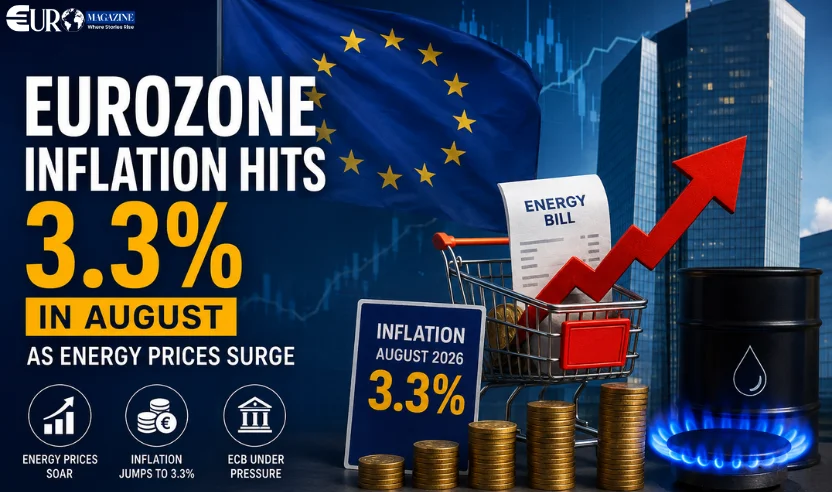
Fuel Shock Adds to Europe's Inflation Problem
The surge in fuel costs comes at a difficult time for the European economy.
Higher diesel and petrol prices raise expenses for motorists, freight companies and businesses, potentially increasing the cost of transporting food, manufactured goods and other products.
With diesel remaining particularly expensive and global supply disruptions continuing, the €270 million-a-day burden could persist unless fuel prices or supply conditions improve.
Read more news:-
























Comments
Be the first to share your thoughts.
Leave a comment
Join the conversation. Your email address will not be published.