

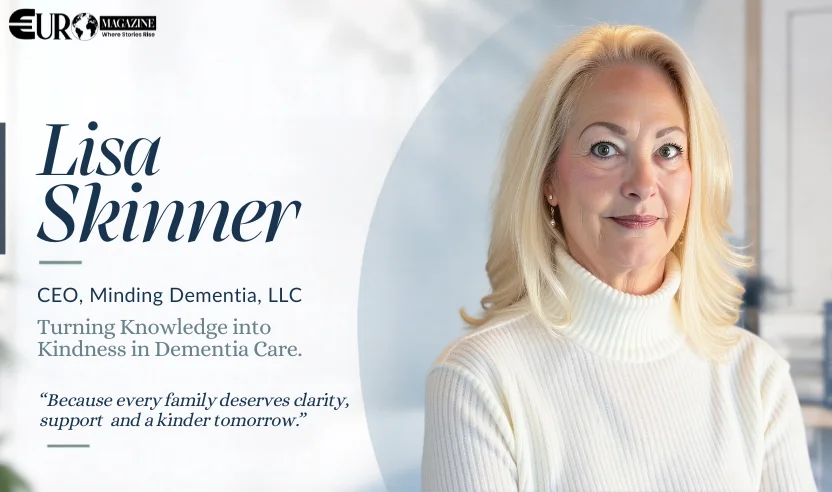
For families navigating dementia, the most difficult moments are not always defined by the diagnosis itself, but by the uncertainty that follows, what to expect, how to respond, and where to turn when familiar routines begin to change. For Lisa Skinner, these questions are more than professional concerns. They are deeply personal, shaped by the experience of watching eight family members face dementia and witnessing firsthand the emotional, financial, and practical challenges that arise when families are left without clear guidance.
What began as an early curiosity about the human brain, memory, and behavior gradually developed into a professional commitment to making dementia care more understandable, compassionate, and accessible. As the CEO of Minding Dementia, LLC, Lisa has dedicated her work to bridging the gap between scientific knowledge and everyday caregiving realities. Through practical education, evidence-based guidance, and a dignity-first philosophy, she seeks to equip families, caregivers, and professionals with the understanding and tools needed to navigate dementia with greater confidence and clarity.
Her journey, further recognized through an Honorary Doctorate Degree in Dementia Care and Cognitive Leadership in 2026, reflects a mission rooted in lived experience and strengthened by a belief that education should do more than inform, it should help people take meaningful action. In this exclusive feature with The Euro Magazine, Lisa Skinner shares the personal experiences that shaped her purpose, the vision behind Minding Dementia, and her commitment to building a future where a dementia diagnosis marks the beginning of a supported journey rather than a moment of uncertainty and isolation.
From Personal Pain to Purpose
Lisa Skinner’s interest in the brain and human behavior started with an early curiosity about what drives people to behave the way they do, how memory works, why it changes, and what happens when it begins to fail. That curiosity led her to pursue a degree in Human Behavior.
But what truly set Lisa on her professional path was personal: eight of her own family members have been diagnosed with dementia.
Watching multiple loved ones decline brought an intensity that cannot be learned from textbooks. It made the reality of Alzheimer’s disease and related dementias deeply personal. It was heartbreaking for her to witness the loss of independence, navigate difficult conversations, experience caregiver burnout and financial strain, and live with constant emotional uncertainty, often feeling completely helpless and hopeless.
The biggest challenge, however, was the lack of guidance. Her family went through intense struggles with essentially no reliable direction, no clear next steps, no practical support systems, and no roadmap for navigating diagnosis, safety concerns, and day-to-day care.
Throughout her education and training, that experience kept returning as a question: Why isn’t care better structured for people when they need it most?
That question inspired Lisa to build her professional focus around earlier recognition, clearer communication, and care pathways that reduce the chaos families often face.
From early on, she was drawn to roles that put people first, especially where understanding and compassion could change outcomes. As she learned more about aging, health, and community well-being, she became increasingly aware of a painful gap: even when people had support systems, they often lacked the dementia-specific education needed to communicate effectively, respond confidently, and protect dignity in daily life.
That realization grew into the inspiration behind her professional journey. Lisa didn’t start with a mission to simply “teach dementia facts.” She started with a commitment to reducing fear and confusion for families and caregivers.
Watching how misunderstanding could turn ordinary caregiving moments into stressful, sometimes isolating experiences shaped her drive.
Over time, the most meaningful inspiration became clear: education, when delivered with empathy and person-centered strategies, can transform lived experiences, helping people feel more capable, more respected, and more supported.
Making Dementia Care More Human
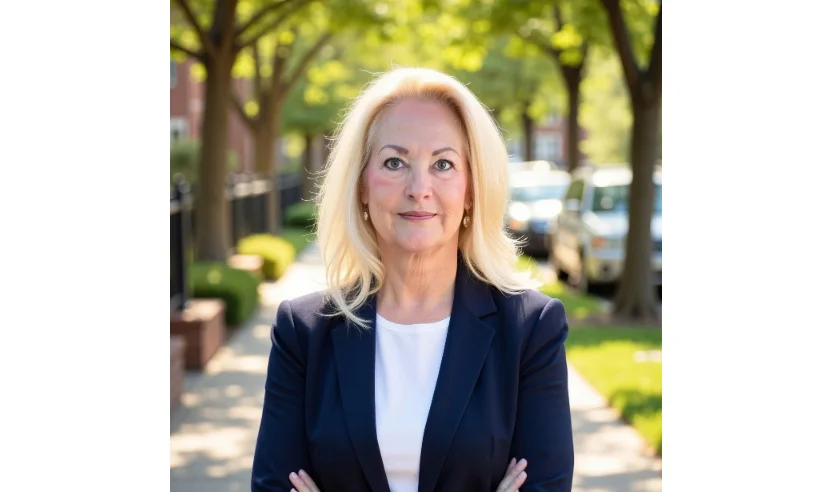
Lisa works as an Alzheimer’s disease expert, focused on translating current science into guidance that families and clinicians can actually use in their day-to-day journey through the world of Alzheimer’s disease.
In practice, her work centers on helping caregivers and patients understand what a diagnosis can and cannot mean in real life. She supports care planning that addoresses safety, function, and quality of life, rather than focusing solely on test results. She also guides decision-making around early-stage changes, expectations regarding disease progression, and available support systems.
What sets her approach apart is that many resources provide information, but fewer offer a structured, compassionate plan tied to outcomes that families can experience in their everyday lives.
Lisa also emphasizes evidence-based tools, such as appropriate assessment approaches and modern diagnostic insights, while ensuring that recommendations remain grounded in everyday realities, including time, finances, caregiver capacity, and local resources.
As the CEO of Minding Dementia, LLC, Lisa leads an organization focused on practical dementia education designed to be used immediately in real caregiving situations.
Many approaches stop at awareness; Minding Dementia goes further by strengthening communication, supporting the understanding of behavior, and providing guidance that caregivers and professionals can apply consistently.
The organization’s work is also guided by a dignity-first philosophy. Rather than treating dementia as something to “correct” or people as problems to manage, Minding Dementia teaches responses that preserve identity, reduce stigma, and help families feel less alone.
In today’s market, where there is often an overload of information, the organization’s differentiation lies in usability: learning that translates into steadier, kinder care.
A Milestone of Recognition
One of Lisa’s proudest achievements is helping create or champion models of care and support that reduce the “information vacuum” her family experienced.
Specifically, she takes pride when her work leads to earlier, clearer conversations between clinicians, patients, and caregivers; faster navigation from symptoms to assessment and practical next steps; and better-aligned care plans that include caregiver needs from the beginning.
Lisa measures success not just by academic or clinical milestones, but by outcomes such as fewer unsafe situations, improved caregiver confidence, and families feeling less isolated because they finally have direction.
Another deeply meaningful achievement is that she was recently awarded an Honorary Doctorate Degree (Honoris Causa) in Dementia Care and Cognitive Leadership in 2026, “In recognition of exceptional contributions to society and community, with significant national and international impacts.”
Lisa is genuinely honored, but what makes it especially important to her is what it represents: the recognition that dementia education and awareness are essential to compassionate care and real-world quality of life.
That recognition reinforces the mission behind Minding Dementia: when people are equipped with the right knowledge, empathy becomes effective action, and caregiving becomes more supportive, dignified, and sustainable.
The honor carries deep personal significance because her motivation has always been rooted in lived experience: eight family members diagnosed with dementia and the intense struggles her family faced without guidance.
For Lisa, this award feels like a milestone in a larger mission, turning the lessons of what her family lacked into tools, education, and care pathways that give others clarity, direction, and support earlier.
It is also a responsibility. It reinforces her belief that research, care, and advocacy must move together so families don’t have to endure the same confusion and crisis-driven journey.
A Vision for Dignified Care

In the next phase of her journey, Lisa’s goals are to scale dementia education in ways that are accessible and sustainable, deepen partnerships across healthcare and community settings, and continue strengthening resources that caregivers can revisit as needs change.
Ultimately, she envisions a future where dementia is met with understanding and inclusion, where families feel supported, professionals feel confident, and people living with dementia are treated with dignity in every interaction.
Additionally, her vision is to transform dementia care by expanding the reach and consistency of education so that support starts earlier, continues over time, and reaches families and professionals before crises take over.
Lisa is working toward earlier detection and earlier support so people receive help before crises emerge. She also wants to advance more personalized care planning, ensuring that recommendations match an individual’s stage, symptoms, and support environment.
Strengthening caregiver-centered systems is another important goal because caregivers are essential, and they need tools, education, and sustainable pathways of support.
She also aims to improve access to evidence-based assessments so that diagnostic delays and uncertainty decrease over time.
Ultimately, Lisa’s goal is for a “diagnosis” to become the beginning of a guided journey, not the moment families feel abandoned.
Where Science Meets Experience
Lisa maintains her edge by staying close to evolving science and the lived experiences of patients and caregivers, while remaining grounded in what caregiving actually requires, rather than what is easiest to teach.
She believes dementia education has to be practical, empathetic, and consistent across settings. That means designing learning that reflects real-life moments, such as communication breakdowns, distress, repetition, refusal of care, and transitions between home and care environments.
Lisa also continues listening to caregivers, families, and professionals to understand what is missing and what isn’t working.
That feedback continually improves how Minding Dementia builds and delivers education, ensuring its programs remain relevant, compassionate, and genuinely impactful.
Concretely, she focuses on keeping up with advances in dementia assessment and diagnostic approaches so that the organization’s guidance reflects current developments.
She also prioritizes partnerships across disciplines, including neurology, geriatrics, neuropsychology, care coordination, and social support, because Alzheimer’s care is multifaceted.
Communication excellence is equally essential. Turning complex information into clear decisions and actionable steps, alongside the continuous refinement of care pathways, ensures that guidance is not just clinically correct but also usable in real households.
Her personal experience with family members living through dementia also strengthens how she prioritizes. Lisa is always asking, “What would have helped us sooner?”
Leading with Empathy and Action
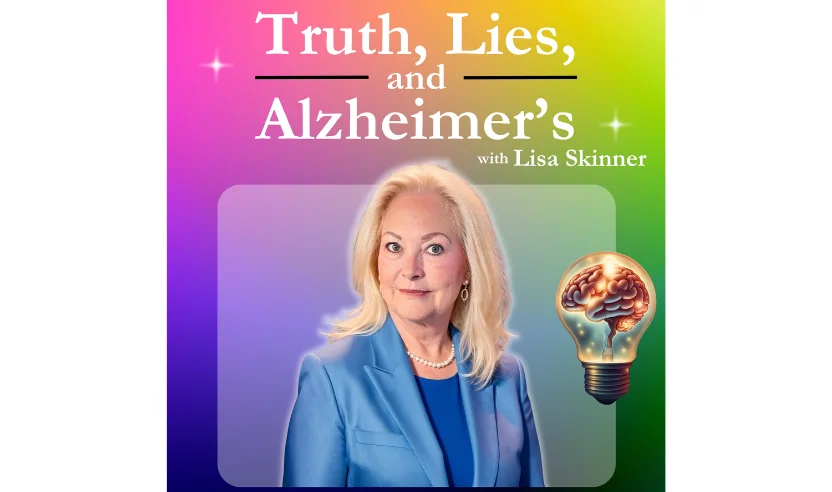
Lisa’s advice to aspiring professionals and entrepreneurs is to build their work on two foundations: empathy and execution.
She encourages them to start with empathy by understanding human problems, listening deeply, and respecting lived experiences. Then, they should focus on execution by creating tools, programs, and systems that people can actually use under real pressure.
Her message is clear: Don’t just aim to inform; aim to transform how people experience care.
For those who want to make a lasting impact, she advises choosing problems that are deeply human, making learning practical, and measuring success by outcomes that matter, such as confidence, dignity, reduced stigma, and better everyday lived experiences.
Lisa also emphasizes the importance of letting purpose be personal while keeping the approach evidence-based.
When professionals understand the stakes deeply, they may work harder, but they still need rigor and clinical responsibility.
She encourages aspiring professionals to build a roadmap, not just awareness. Families don’t need more confusion; they need next steps: what to do now, what to expect, and who to call.
Lisa believes that services need to be designed with caregivers in mind from day one. Many services ignore caregiver capacity until problems become crises, and she encourages others not to make that mistake.
She also advises focusing on outcomes people can feel. Whether someone is building a program, a clinic workflow, or a product, the focus should remain on measurable improvements, such as safety, quality of life, reduced delays, clearer decision-making, and better support.
Finally, Lisa encourages those starting out to find collaborators early and listen closely to the people living the reality.
In dementia care, guidance is everything, and it only improves when the system is built around real needs.
Conclusion
Lisa Skinner’s journey demonstrates how deeply personal experiences can evolve into a meaningful professional mission. Having witnessed the challenges of dementia within her own family, she understands that effective care requires more than medical information or awareness. It calls for practical guidance, compassionate communication, and support systems that recognize the needs of both people living with dementia and those caring for them. Through Minding Dementia, LLC, she continues to translate that understanding into education and resources designed to make everyday caregiving more manageable, informed, and dignified.
As she looks toward the future, Lisa remains focused on expanding access to dementia education, strengthening collaboration across healthcare and community settings, and helping families receive support before challenges become crises. Her vision extends beyond improving individual caregiving experiences to encouraging a more consistent, person-centered approach in which understanding, dignity, and caregiver well-being remain essential throughout the journey.
For Lisa, the true measure of progress lies not only in professional recognition or the advancement of scientific knowledge, but in the difference that knowledge makes in people's everyday lives. Her message to aspiring professionals and entrepreneurs reflects the same philosophy that guides her own work: combine empathy with execution, listen to those experiencing the challenges firsthand, and create solutions that people can genuinely use. At the heart of her mission is a simple yet meaningful belief: no family navigating dementia should have to face the journey without clarity, compassion, and support.
Read More Articles:-












Comments
Be the first to share your thoughts.
Leave a comment
Join the conversation. Your email address will not be published.