

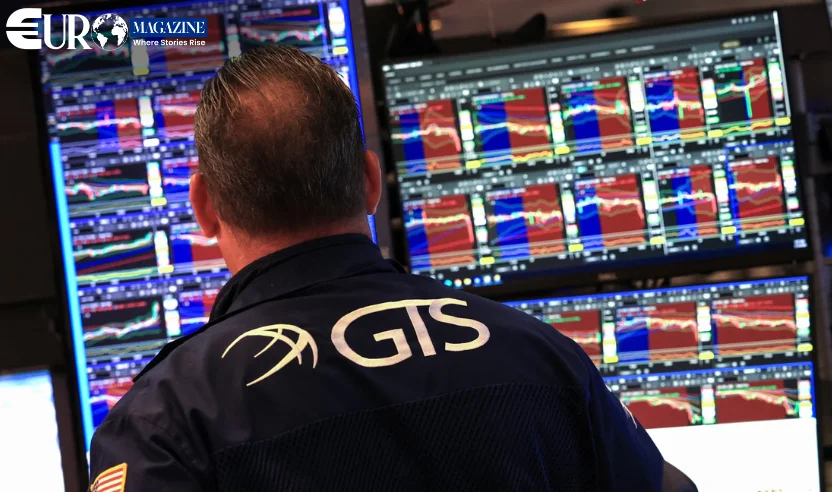
Rising U.S. Treasury yields are beginning to trigger broader concerns across global financial markets, with strategists warning that government bonds have entered what many are calling a “danger zone” for investors. The sharp rise in long-term yields is increasing fears that persistent inflation pressures and higher interest rate expectations could soon weigh heavily on equities and other risk-sensitive assets.
The latest bond market selloff intensified on Tuesday, driving the yield on the 30-year U.S. Treasury above 5.19%, its highest level since 2007. At the same time, the benchmark 10-year Treasury yield climbed toward 4.69%, reflecting mounting investor concerns about inflation, monetary policy, and economic uncertainty.
Market analysts noted that the surge in yields represents more than a routine market adjustment. Instead, it signals growing anxiety that interest rates may remain elevated for longer than previously expected, especially as geopolitical tensions and rising energy prices continue to add pressure to global inflation trends.
Strategists at HSBC described current Treasury levels as firmly within the “danger zone,” warning that higher yields historically place pressure on nearly every major asset class, including stocks, corporate bonds, and emerging markets.
According to the bank, continued repricing of interest rate expectations could push Treasury yields even higher in the coming weeks, potentially triggering broader weakness across global financial markets.
Despite the volatility, markets have so far shown relative resilience. Analysts believe this stability has been supported by strong corporate earnings, previously adjusted equity valuations, and investor confidence that geopolitical tensions in the Middle East may primarily impact oil markets rather than broader economic growth.
Still, the rapid rise in yields is attracting growing attention from investors and policymakers alike. The recent 30-year Treasury auction clearing above the 5% threshold for the first time since 2007 has been viewed by many market participants as a psychologically significant event, reinforcing concerns about borrowing costs and long-term economic conditions.
Interactive Brokers Chief Strategist Steve Sosnick described the current market environment as a “yellow alert” rather than a full-scale crisis. However, he cautioned that further increases in Treasury yields could intensify pressure on financial markets.
Analysts are particularly focused on the 10-year Treasury yield approaching the 4.65% to 4.70% range and the 30-year bond moving closer toward 5.5%, levels that many believe could trigger sharper declines in equity valuations and investor sentiment.
BMO Capital Markets strategist Ian Lyngen also warned that if 30-year Treasury yields rise toward 5.25% in the near future, financial markets may experience a more sustained pullback in stock valuations.
Higher Treasury yields typically increase borrowing costs for businesses and consumers while simultaneously reducing the attractiveness of high-growth equities. This dynamic often places pressure on technology stocks and other sectors that rely heavily on future earnings expectations.
The current bond market volatility arrives at a delicate moment for the global economy, as investors continue to monitor inflation trends, central bank policy decisions, and geopolitical developments that could influence market direction throughout 2026.
For now, financial markets remain highly sensitive to any signs of persistent inflation or additional monetary tightening, with Treasury yields increasingly serving as a critical indicator of broader investor confidence and economic stability.



























Comments
Be the first to share your thoughts.
Leave a comment
Join the conversation. Your email address will not be published.