

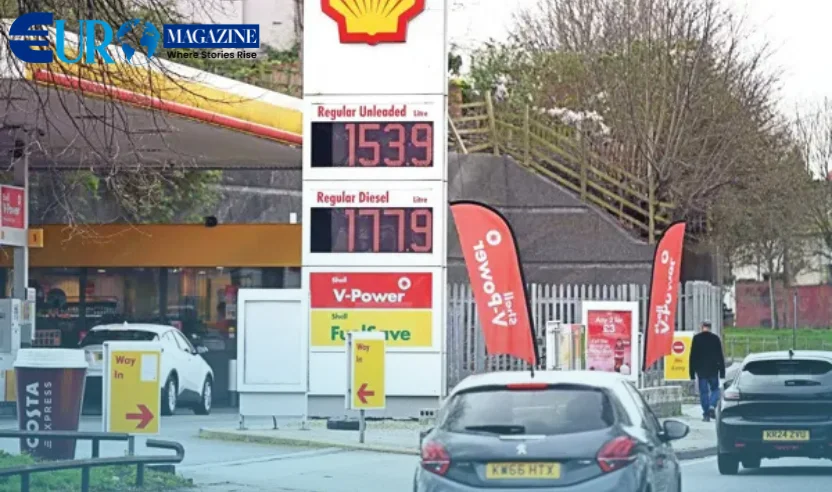
European energy companies are once again facing mounting political pressure after reporting massive first-quarter profits fueled by soaring oil prices linked to ongoing instability in the Middle East.
Major oil and gas firms across Europe benefited significantly from sharp fluctuations in global energy markets following disruptions associated with the Iran conflict. Rising crude oil prices and volatile trading conditions boosted earnings for several multinational energy corporations, reviving debates around windfall taxes on excess profits.
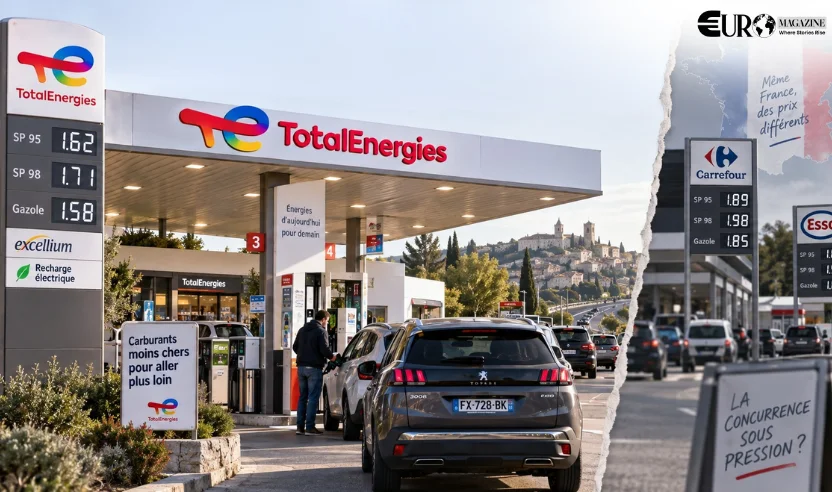
Shell plc reported a 24 percent increase in first-quarter profits, while BP also posted stronger earnings. Meanwhile, TotalEnergies announced a 51 percent jump in quarterly net profit, reaching approximately $5.8 billion. Analysts expect the sector’s profitability to remain strong throughout 2026.
According to estimates cited by Oxfam, six of the world’s largest fossil fuel companies could collectively generate an additional $37 million per day in profits during 2026 compared with the previous year.
The recent Iran conflict significantly disrupted shipping through the strategically important Strait of Hormuz, one of the world’s busiest energy transit routes. Brent crude oil prices surged from nearly $70 per barrel before the conflict to more than $126 at peak levels before stabilizing around $100.
Analysts noted that European energy companies particularly benefited not only from rising oil prices but also from the increased market volatility itself. Stephen Innes of SPI Asset Management said European energy majors operated “more like sophisticated volatility traders” during the quarter.
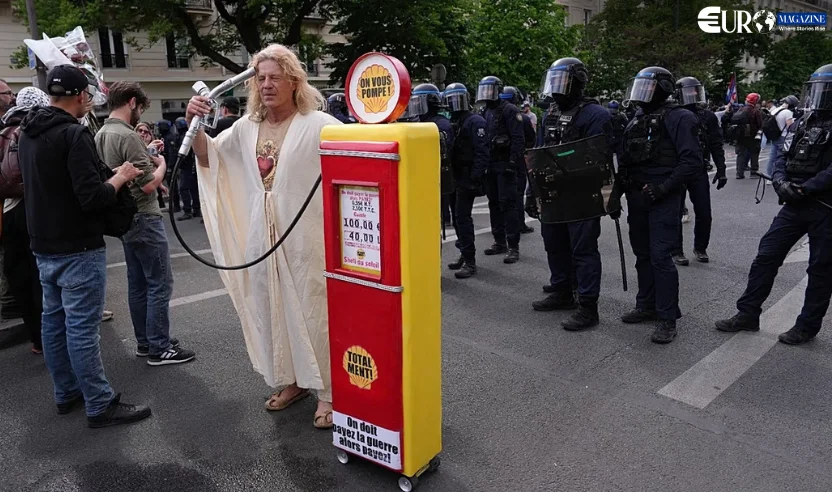
The strong earnings have intensified political discussions surrounding the introduction of additional windfall taxes across Europe. In April, Germany, Austria, Spain, Italy, and Portugal jointly urged the European Commission to consider an EU-wide levy targeting excess energy company profits generated during the recent oil price shock.
Supporters of the proposal argue that additional tax revenues could help governments fund consumer relief measures, reduce inflationary pressure, and stabilize public finances. Environmental groups have also increased criticism of fossil fuel companies amid the latest profit surge.
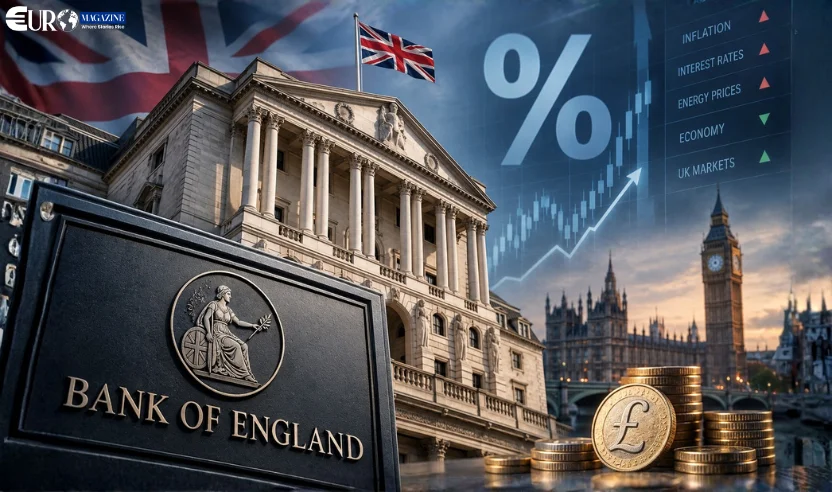
In the United Kingdom, energy firms operating in the North Sea remain subject to the Energy Profits Levy introduced in 2022. The temporary levy currently stands at 38 percent and is expected to remain in place until 2030. Recent earnings from Shell and BP have triggered renewed calls for even stricter taxation measures.
In France, lawmakers from Socialist and Green parties proposed new legislation in April seeking to impose additional taxes on exceptional energy profits. French President Emmanuel Macron has also called for a coordinated European response to speculative behaviour and excessive profits within energy markets.
Energy analysts expect strong profitability to continue into the second quarter as geopolitical uncertainty remains elevated. At the same time, the crisis has renewed discussions around long-term energy security, fossil fuel dependence, and the role of renewable energy in Europe’s future energy strategy.





















Comments
Be the first to share your thoughts.
Leave a comment
Join the conversation. Your email address will not be published.