

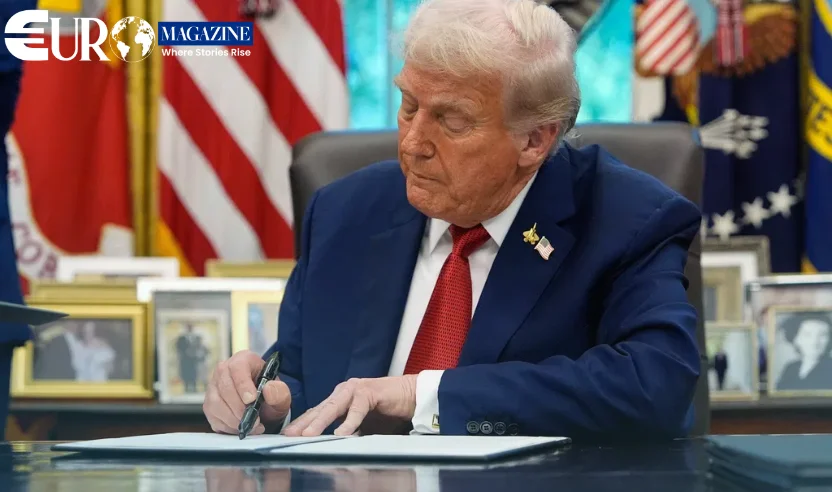
U.S. President Donald Trump has announced plans to impose a 25% tariff on cars and trucks imported from the European Union, signaling a potential escalation in transatlantic trade tensions at a time of heightened global economic uncertainty. The proposed tariff increase, expected to take effect as early as next week, comes amid accusations from Washington that the EU has failed to comply with the terms of a previously agreed trade framework. While the administration has not publicly detailed the specific breaches, Trump stated that the move is intended to pressure European manufacturers to accelerate production shifts to the United States.
Speaking to reporters before departing the White House, Trump reiterated his position that the EU has not upheld its commitments under the agreement reached last year with European Commission President Ursula von der Leyen. That deal, commonly referred to as the Turnberry Agreement, had established a tariff ceiling of 15% on most goods traded between the two sides.
However, the agreement has faced legal challenges in the United States. A recent ruling by the Supreme Court questioned the administration’s authority to impose tariffs under emergency economic provisions, prompting officials to explore alternative legal mechanisms. In the interim, a baseline tariff of 10% has been applied while investigations into trade imbalances and national security concerns continue.
The timing of the proposed tariff hike is particularly sensitive. The global economy is already under strain due to rising energy costs linked to geopolitical tensions, including disruptions in oil and gas flows through the Strait of Hormuz. Analysts warn that additional trade barriers could further slow growth and fuel inflationary pressures.
European officials have previously emphasized their commitment to the trade agreement, stressing the importance of maintaining stable economic relations. The European Commission has consistently maintained that both sides should honor the agreed tariff limits, describing the deal as mutually beneficial for industries on both sides of the Atlantic.
The stakes are significant. Transatlantic trade between the U.S. and EU reached approximately €1.7 trillion in goods and services in 2024, making it one of the largest economic partnerships globally. European automakers alone have benefited from reduced tariff barriers, with estimates suggesting savings of hundreds of millions of euros per month under the existing framework.
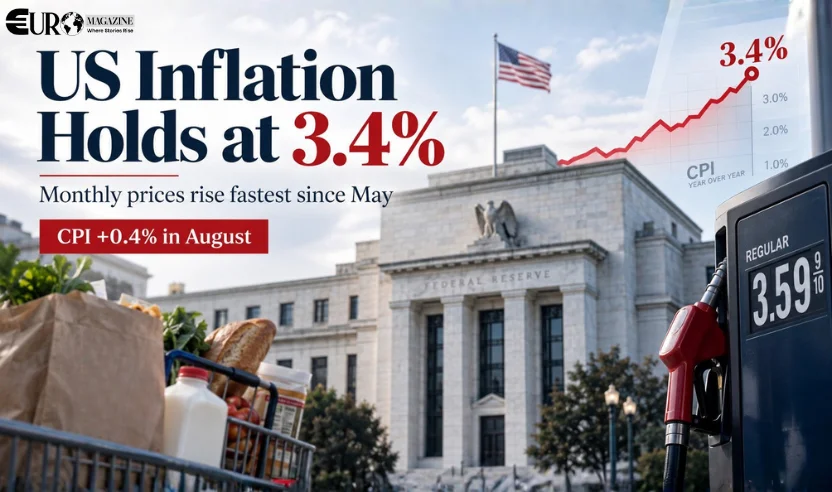
Despite this, political pressures within the United States are mounting. With midterm elections approaching, economic concerns—particularly inflation—have become a central issue. Rising energy prices and broader cost-of-living challenges have impacted public sentiment, adding urgency to the administration’s economic strategy.
Recent polling indicates that public approval of Trump’s handling of the economy remains relatively low, reflecting ongoing concerns about price stability and growth prospects.
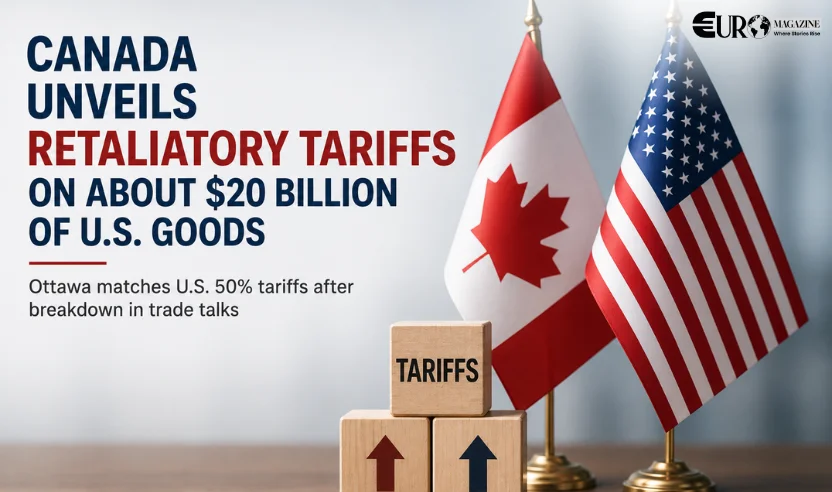
Market observers caution that a move to higher tariffs could trigger retaliatory measures from the EU, potentially reigniting a cycle of trade disputes reminiscent of earlier tensions between the two economies.
For now, uncertainty remains high. While both sides have expressed a willingness to maintain dialogue, the proposed tariff increase underscores the fragile state of global trade relations in an environment already shaped by geopolitical volatility.





























Comments
Be the first to share your thoughts.
Leave a comment
Join the conversation. Your email address will not be published.