


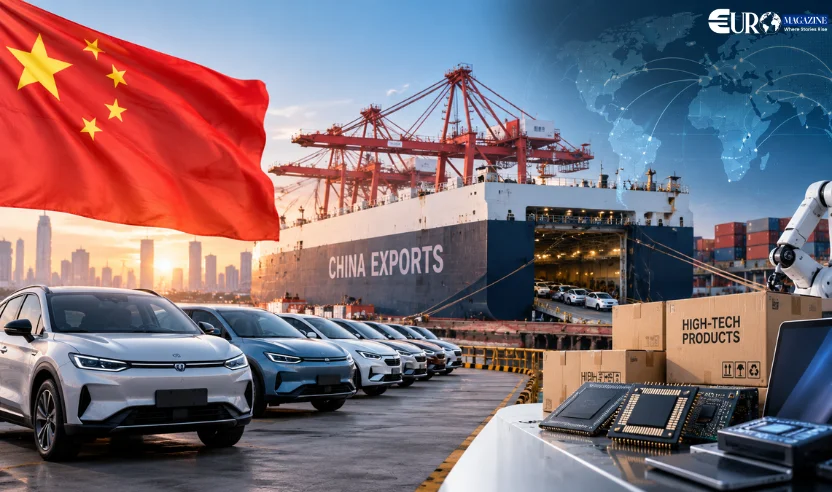
The United States and China have identified around $30 billion worth of goods each that could receive lower tariffs, marking another step toward easing trade tensions between the world’s two largest economies.
The so-called “30-for-30” framework covers about $30 billion in annual trade in each direction and focuses on goods considered non-sensitive. However, neither Washington nor Beijing has yet specified how large the tariff reductions will be or when they will take effect.
The announcement follows last week’s meeting between U.S. President Donald Trump and Chinese President Xi Jinping in Washington and comes with an extension of the existing trade truce until January 10.
What the US and China Plan to Cut
China's list is much broader, covering 1,619 categories of U.S. products, while the U.S. list includes 77 categories of Chinese goods.
Beijing's list is heavily focused on American agricultural products, including corn, wheat, sorghum, meat, dairy products, seafood and vegetable oils. It also includes wood products, medical equipment and other goods.
The U.S. list mainly targets Chinese consumer products such as toasters, coffee makers, microwave ovens, household items, toys and Christmas decorations. Toys account for a particularly large share of the trade covered by Washington's proposed list.
One notable omission is U.S. soybeans. China has left non-seed soybeans under an additional 10% tariff, despite the crop being one of America's biggest agricultural exports to China.
Europe Could Face Stronger Competition
The proposed tariff cuts could have consequences beyond the U.S. and China, particularly for European exporters that compete in the same markets.
Pork is one of the clearest examples. The EU exported around 1.07 million tonnes of pork to China in 2025, with Spain, the Netherlands and Denmark among the largest suppliers. European pork is already facing Chinese anti-dumping duties ranging from 4.9% to 19.8%. If American pork receives more favourable treatment, European producers could face a tougher price environment in China.
European dairy producers could also be affected. China has imposed anti-subsidy duties of 7.4% to 11.7% on some EU cheese and cream products, while American dairy exporters could gain easier access under the new arrangement.
Wine and Spirits Markets Could Also Feel the Pressure
The competition could extend to drinks and food products.
The Chinese list includes American wine and whiskey, potentially strengthening U.S. competition with European producers such as French, Italian and Spanish wine companies, as well as Irish whiskey and Scotch producers.
The impact will depend heavily on the final tariff rates and implementation date. At present, both governments have only published the categories of goods being considered.
Cheaper Chinese Goods Could Affect European Manufacturers
The effect could also work in the opposite direction.
Lower U.S. tariffs on Chinese household products, toys and sporting goods could make those products more competitive in the American market. European manufacturers producing similar goods could therefore face increased competition in one of their major export destinations.
For European companies, the developments are important because the U.S. remains a major export market while China is also a significant destination for a range of European food, industrial and consumer products.
Trade Truce Extended Until January
Alongside the tariff lists, Washington and Beijing agreed to extend their existing trade truce until January 10. The extension is intended to give both sides more time to work on broader economic and trade issues.
The two countries are also planning regular discussions on investment barriers and market access, while an agriculture working group is expected to meet before the end of the year.
Europe Watches the Next Phase
The new tariff lists signal some movement away from the intense U.S.-China trade confrontation of the past year, but they do not yet amount to a finalized tariff agreement.
For European businesses, the key issue will be what happens next. The scale and timing of the tariff cuts remain undecided, and those details will determine whether American and Chinese exporters gain a meaningful advantage over their European competitors.
For now, the development gives businesses another indication that U.S.-China trade relations are moving toward a more managed and negotiated phase, while Europe continues to adjust to the changing global trade landscape.
Read more news:-




























Comments
Be the first to share your thoughts.
Leave a comment
Join the conversation. Your email address will not be published.