

Global markets opened the week on a volatile note as oil prices surged past $100 per barrel following failed ceasefire talks between the United States and Iran, while Hungary’s currency strengthened after a major political shift. Brent crude and West Texas Intermediate (WTI) both recorded sharp gains, driven by escalating concerns over supply disruptions in the Strait of Hormuz—one of the world’s most critical oil transit routes.
Oil Markets React to Rising Conflict Risk
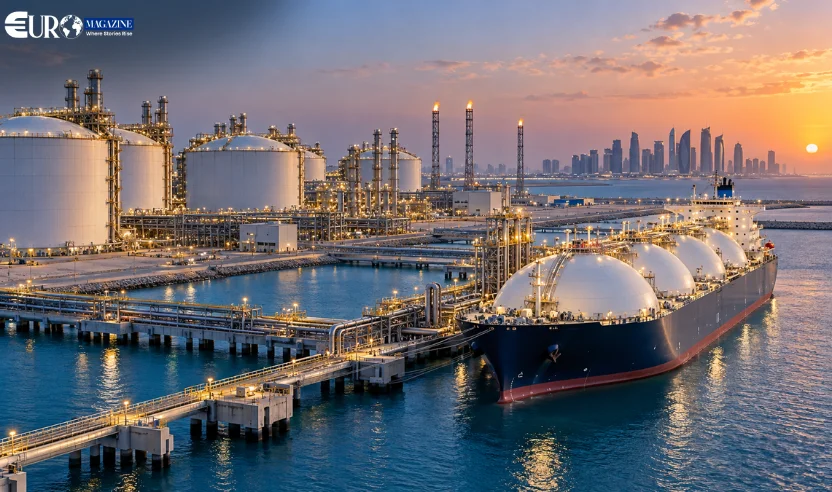
Oil prices climbed significantly after reports that the US may impose a naval blockade targeting Iranian shipping routes. Brent crude rose nearly 7%, trading above $100 per barrel, while WTI also jumped sharply during early European trading.
The surge reflects growing fears of supply constraints, as shipping activity through the Strait of Hormuz has already been disrupted amid ongoing tensions. Analysts warn that prolonged disruptions could further tighten global energy supplies.
Global Markets Turn Cautious
The spike in oil prices triggered a broader “risk-off” sentiment across financial markets. Major European and Asian stock indices declined, as investors reacted to geopolitical uncertainty and rising inflation concerns.
Market experts noted that the sudden increase in energy costs has revived fears of a potential stagflationary environment, where economic growth slows while inflation remains elevated.
Hungarian Forint Strengthens on Election Outcome
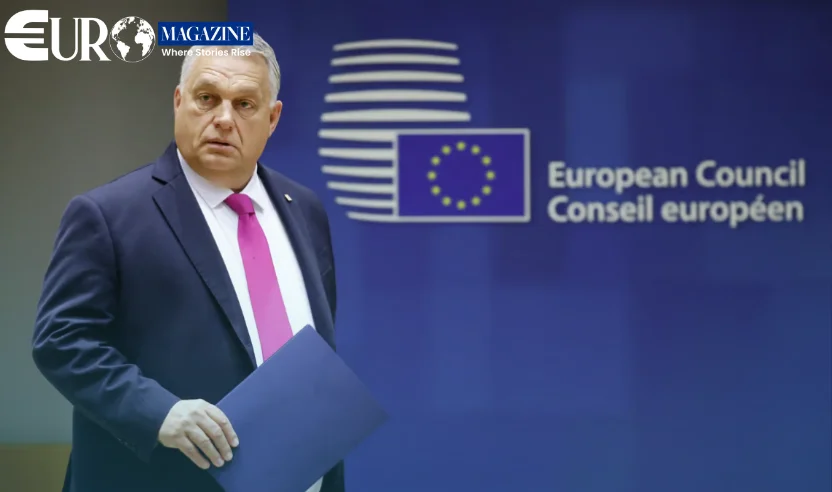
In contrast to the broader market downturn, Hungary’s currency rallied strongly after Péter Magyar secured a decisive election victory.
The Hungarian forint strengthened to its highest level in recent years against the euro, as investors welcomed the prospect of political stability and closer alignment with the European Union.
Hungary’s stock market also posted gains, reflecting optimism that the new government could unlock EU funding and introduce reforms to support economic growth.
Outlook Remains Uncertain
Analysts expect continued volatility in the coming days as markets closely monitor developments in the Middle East, particularly around the Strait of Hormuz and potential diplomatic efforts.
At the same time, investors are watching key economic indicators and corporate earnings reports, which could further shape global market sentiment.
The combination of geopolitical risks and political developments in Europe is likely to keep markets on edge in the near term.
























Comments
Be the first to share your thoughts.
Leave a comment
Join the conversation. Your email address will not be published.