

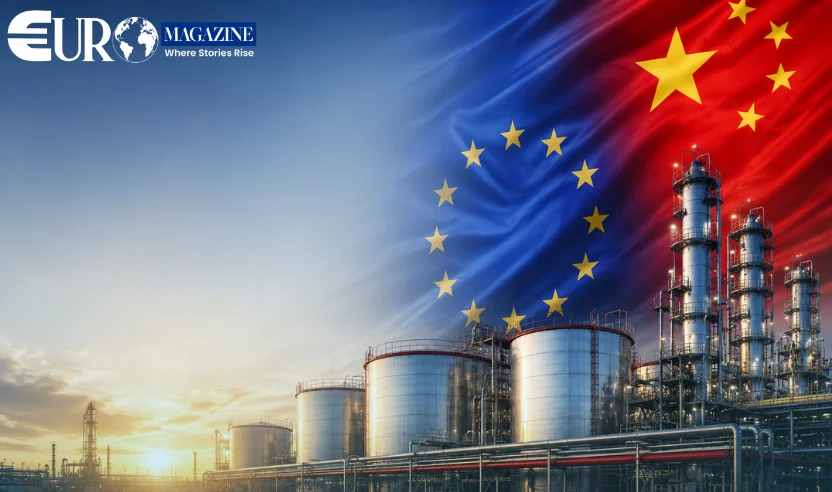
The European Union is becoming increasingly dependent on China across several strategic industries, raising fresh concerns among policymakers and industry leaders over Europe’s long-term industrial sovereignty and economic security.
A recent analysis highlighted that sectors critical to Europe’s green transition and industrial competitiveness, including solar energy, rare earth materials, industrial robotics, chemicals, textiles, and wood products are now heavily reliant on Chinese imports. The growing dependence comes as global trade tensions continue to escalate and fears of a new “China shock” resurface within European markets.
According to trade data, imports from China into the European Union reached more than €559 billion in 2025, representing a significant increase over the past decade. At the same time, Europe’s trade deficit with China has widened sharply, reflecting the bloc’s increasing reliance on Chinese manufacturing and industrial supply chains.
European officials have repeatedly warned that the region’s dependence on Beijing could eventually become a strategic vulnerability. European Commission President Ursula von der Leyen previously described the situation as a potential “new China shock,” citing concerns over subsidized Chinese overproduction flooding global markets at highly competitive prices.
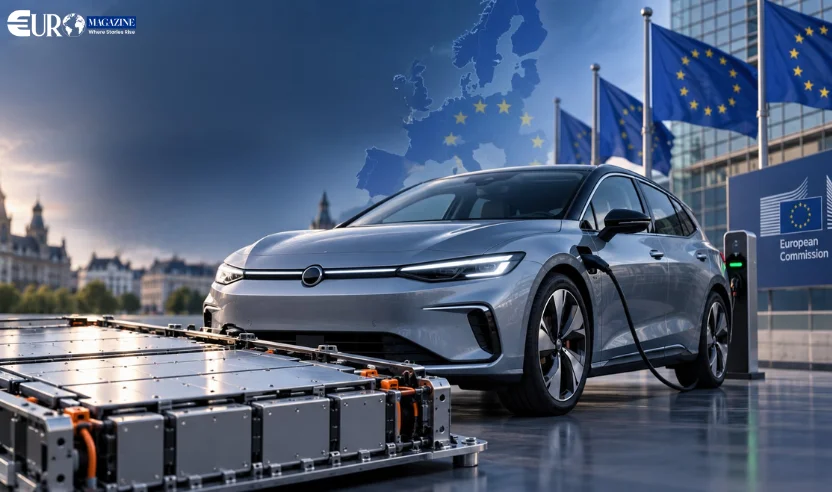
One of the most sensitive areas of dependence lies within Europe’s green energy ambitions. China currently dominates the global solar panel supply chain and accounts for the overwhelming majority of solar panel imports entering the European market. The country also supplies a substantial share of Europe’s lithium-ion batteries and rare-earth magnets, both considered essential for electric vehicles, renewable energy infrastructure, and advanced defense technologies.
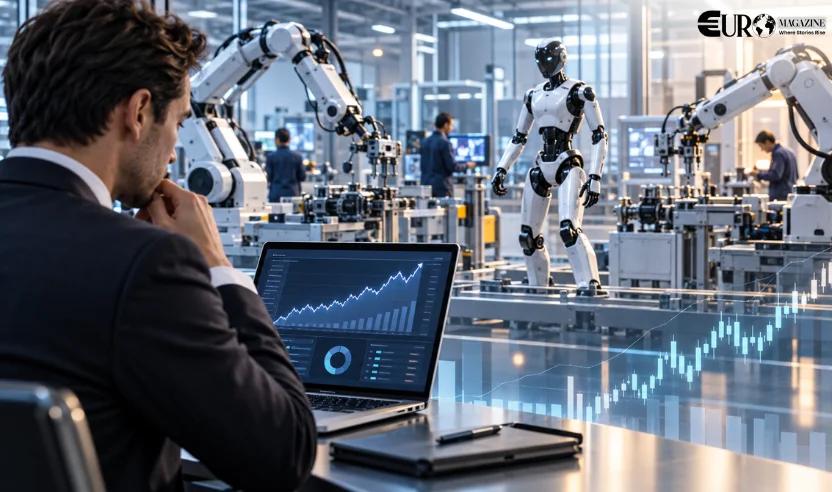
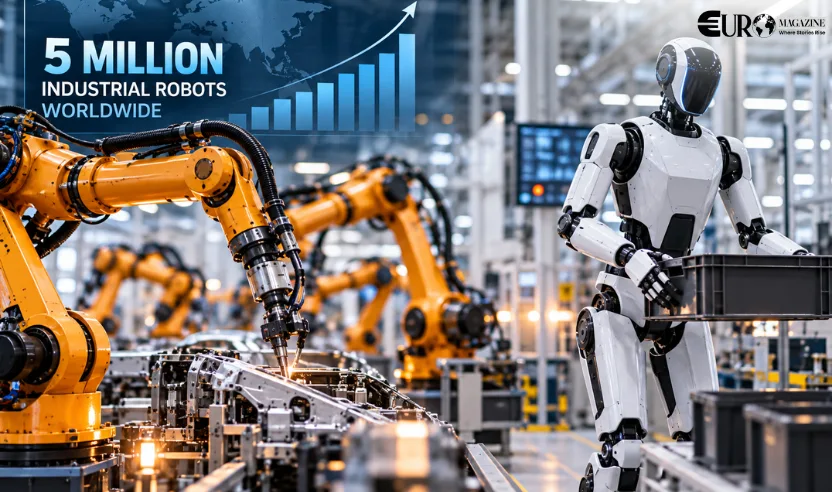
Industrial robotics has emerged as another rapidly growing concern. Imports of Chinese industrial robots into the European Union reportedly surged dramatically between 2025 and 2026 as Chinese manufacturers expanded aggressively into international markets with lower-priced products backed by strong domestic industrial support.
In the chemicals sector, European authorities have observed unusually sharp increases in imports of certain Chinese chemical products at significantly reduced prices, prompting concerns over market distortion and overcapacity. Similar patterns have also appeared in textile and wood product imports, where falling prices and rising volumes have pressured European manufacturers and triggered protective trade measures.
The European Commission has responded by introducing tariffs and monitoring mechanisms in selected industries. However, analysts argue that many of these actions remain reactive rather than preventative, with concerns growing that Europe may struggle to rebuild domestic production capacity quickly enough to reduce its strategic dependence.
Experts believe the challenge for Europe now extends beyond trade policy. The broader debate increasingly centers on whether the EU possesses the industrial capability, investment capacity, and political determination needed to establish alternative supply chains before existing dependencies become deeply irreversible.






















Comments
Be the first to share your thoughts.
Leave a comment
Join the conversation. Your email address will not be published.