


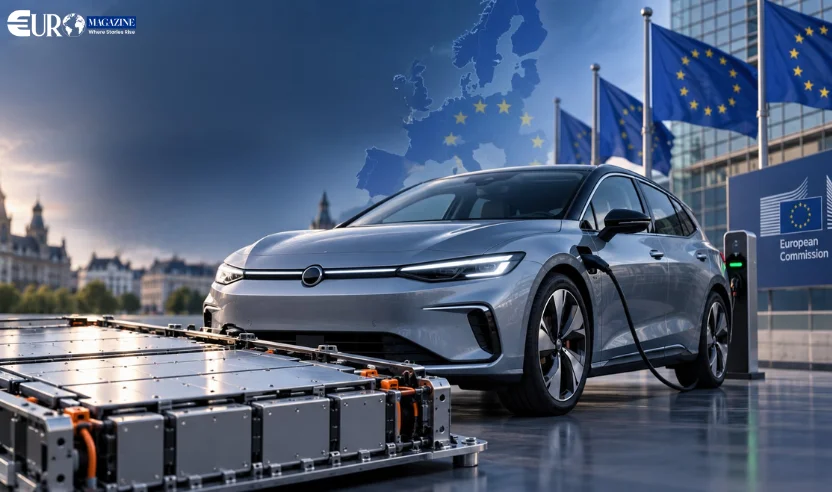
France is planning to significantly increase its investment in electrification, with annual spending set to reach €10 billion ($10.7 billion) by 2030, according to local media reports. The move marks a shift away from broad fuel subsidies toward targeted support for electric vehicles (EVs), heat pumps, and other low-carbon technologies.
Prime Minister Sebastien Lecornu said the government aims to avoid costly blanket measures and instead focus on long-term solutions that reduce dependence on fossil fuels.
The funding will largely come from reallocating existing budgets rather than increasing public borrowing.
Shift from Fuel Subsidies
The policy change represents a clear break from the country’s 2022 response to rising energy prices, when the government spent billions to shield households and businesses from higher fuel costs.
While those measures helped consumers, they also increased fiscal pressure and contributed to one of the largest budget deficits in the eurozone.
Focus on Long-Term Transition
Officials say the new strategy will prioritize helping households and businesses transition to electricity-based systems over time, especially targeting vulnerable groups.
Plans to support workers heavily dependent on cars were temporarily paused after oil prices eased but may be revived if fuel costs rise again.
Managing Fuel Prices and Public Concerns
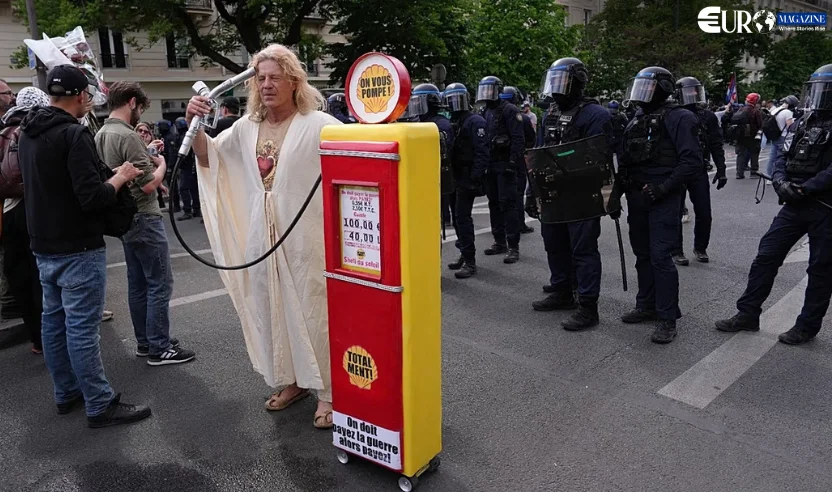
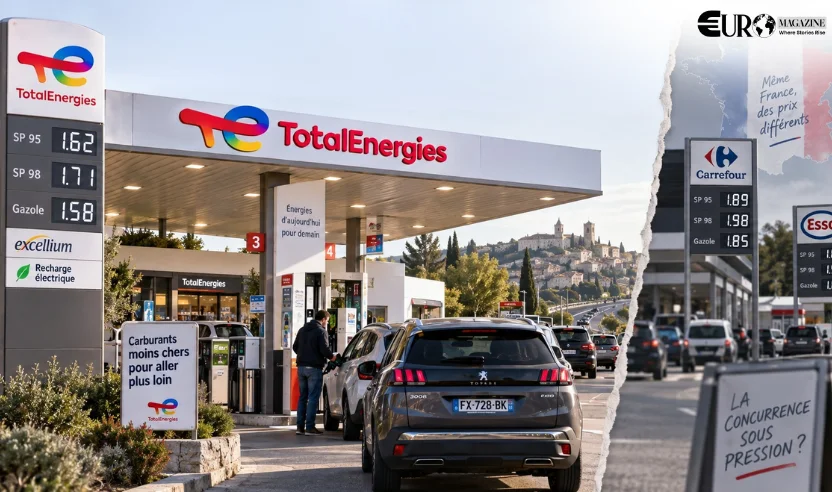
Authorities are also considering measures to limit fuel retailers’ profit margins amid rising public concern over fuel costs.
A draft proposal is expected to be reviewed soon as the government looks to balance consumer protection with long-term energy transition goals.


























Comments
Be the first to share your thoughts.
Leave a comment
Join the conversation. Your email address will not be published.