

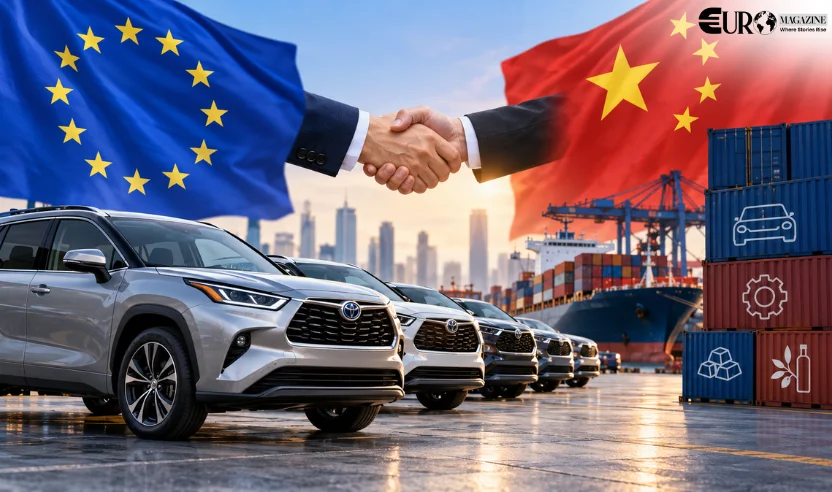
The European Union and China have reached an understanding on car trade following intensive negotiations, as Brussels seeks to address trade imbalances and protect European industries. The agreement also covers European exports and access to critical raw materials, reflecting efforts to ease economic tensions between the two major trading partners.
EU and China Seek to Ease Automotive Trade Tensions
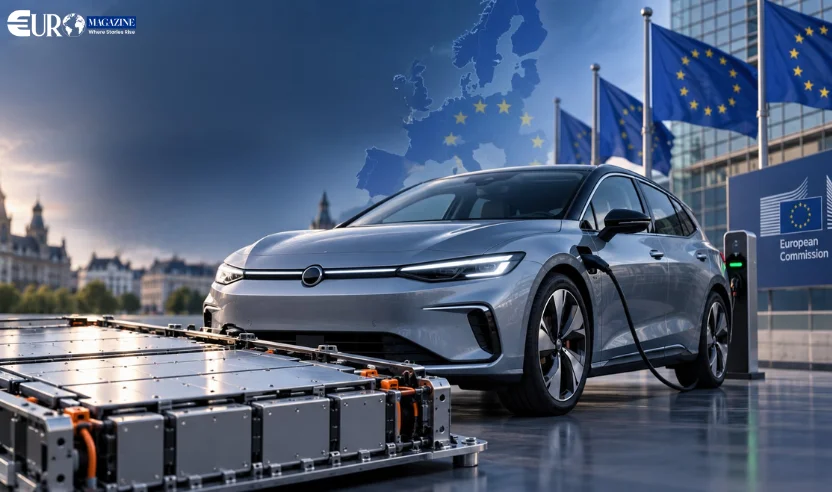
The agreement comes as European automakers face growing competition from Chinese manufacturers offering competitively priced vehicles. European officials have raised concerns that increasing imports could put pressure on local production, investment, and jobs.
The proposed arrangement aims to manage vehicle exports and address concerns about competition without escalating tensions through additional trade restrictions. However, the details of implementation will play an important role in determining its overall impact.
Trade Imbalance Remains a Major Concern
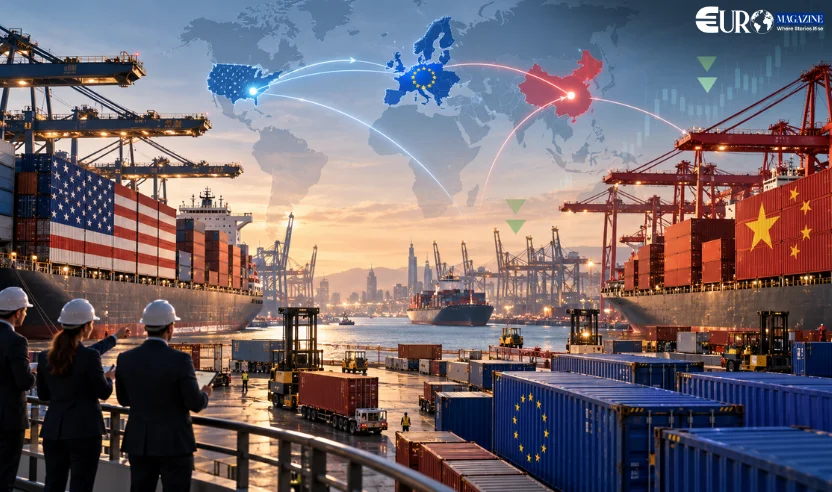
The EU has been working to address its widening trade deficit with China, with concerns extending beyond the automotive sector to machinery, chemicals, and other industries. European officials argue that fair market conditions are essential for local businesses to compete internationally.
The discussions also covered improved access for European products in China, including car parts, olive oil, and footwear. Both sides are seeking ways to maintain commercial ties while addressing disagreements over market access and industrial competition.
Rare Earth Supplies Also Feature in Discussions
The negotiations included efforts to facilitate Chinese export licensing for rare earth materials and permanent magnets. These resources are essential for electric vehicles, renewable energy systems, electronics, and advanced manufacturing.
More reliable access could help European businesses reduce supply chain uncertainty and support production. However, progress will depend on how the proposed measures are implemented.
What the Deal Means for the Auto Industry
The understanding represents an effort to manage trade tensions while maintaining economic cooperation between Europe and China. European automakers could benefit from measures addressing import competition, while Chinese manufacturers may need to adjust their expansion strategies.
For consumers, the effects on vehicle prices and availability remain uncertain. The long-term outcome will depend on implementation and whether both sides can make further progress on their wider trade disagreements.
Read more news:-




















Comments
Be the first to share your thoughts.
Leave a comment
Join the conversation. Your email address will not be published.