


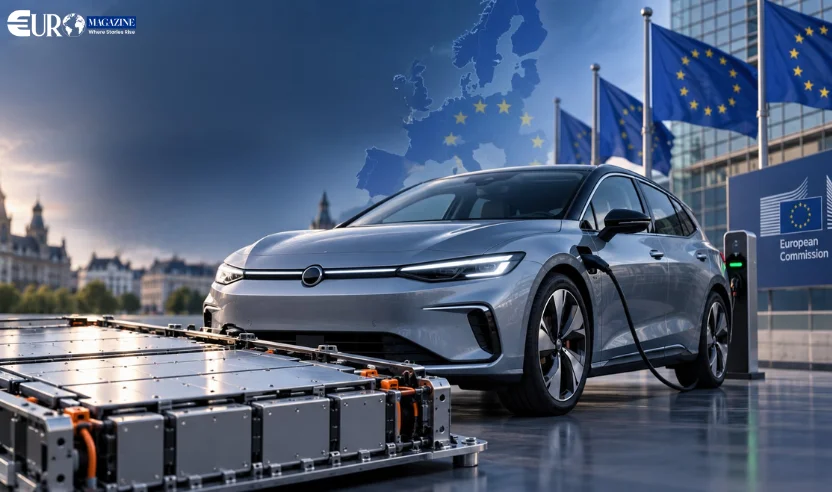
European countries are strengthening incentives for electric vehicles (EVs) in 2026 as rising fuel prices and energy concerns drive the shift away from fossil fuels. The recent energy crisis, influenced by geopolitical tensions, has further accelerated efforts to promote cleaner mobility across the region. Sales of battery-electric vehicles continue to grow steadily, with their share in the European Union market rising to 18.8% in early 2026. Governments are expanding support through subsidies, tax benefits, and investments in charging infrastructure to encourage adoption.
France has announced plans to significantly increase its investment in electrification, aiming to allocate €10 billion annually by 2030. The country is also introducing social leasing programs to make electric cars more accessible to lower-income groups.
Other countries are offering varied incentives. Italy and Cyprus provide some of the highest purchase grants, while Germany and Norway lead in tax benefits and long-term support measures. However, the level of assistance differs widely across Europe, with some nations offering limited or no direct incentives.
Experts note that financial incentives remain a key factor in accelerating the adoption of electric vehicles, especially as consumers respond to higher fuel costs and environmental concerns.



























Comments
Be the first to share your thoughts.
Leave a comment
Join the conversation. Your email address will not be published.