


China’s economy grew 5% in the first quarter of 2026, accelerating from 4.5% in the previous quarter and exceeding expectations, official data showed on Thursday. Data from the National Bureau of Statistics showed the expansion was supported by strong industrial output and exports, although domestic demand remained weak.
Industrial output rose 5.7% year-on-year in March, while first-quarter production increased 6.1%. Exports grew 14.7% in the January–March period, the fastest pace since early 2022.
However, export growth slowed to 2.5% in March from 21.8% in the first two months of the year, as rising energy and logistics costs weighed on trade.
Retail sales increased 1.7% in March, down from 2.8% in February and below forecasts, signalling continued weakness in consumption.
Fixed-asset investment rose 1.7% in the first quarter, missing expectations, while real estate investment declined 11.2%, extending the sector’s downturn.
The urban unemployment rate stood at 5.4% in March, up from 5.3% a month earlier.
The statistics bureau said the external environment remains “complex and volatile,” pointing to an imbalance between strong supply and weak demand.
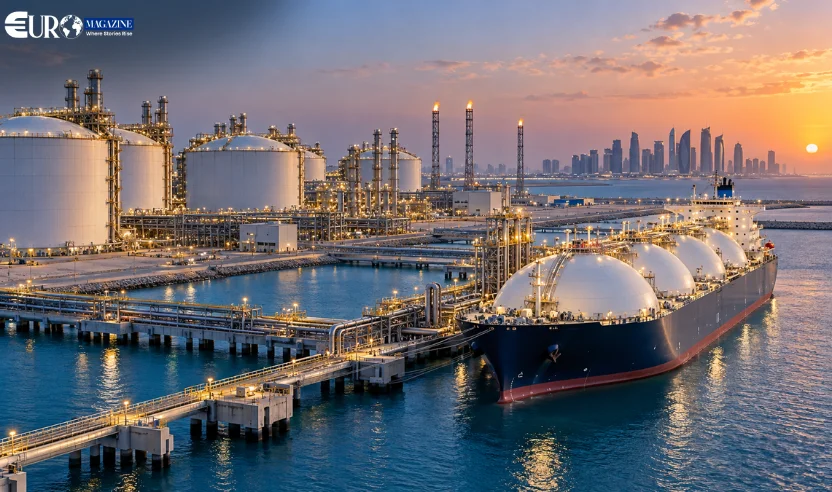
Economists said the ongoing Iran conflict is adding downside risks by pushing up oil prices and slowing global demand.
As the world’s largest oil importer, China faces rising input costs and weaker export conditions, which could affect growth in the coming months.
Analysts at Morgan Stanley said the supply shock from higher energy prices could reduce overall demand even if China gains market share in some sectors.





























Comments
Be the first to share your thoughts.
Leave a comment
Join the conversation. Your email address will not be published.