

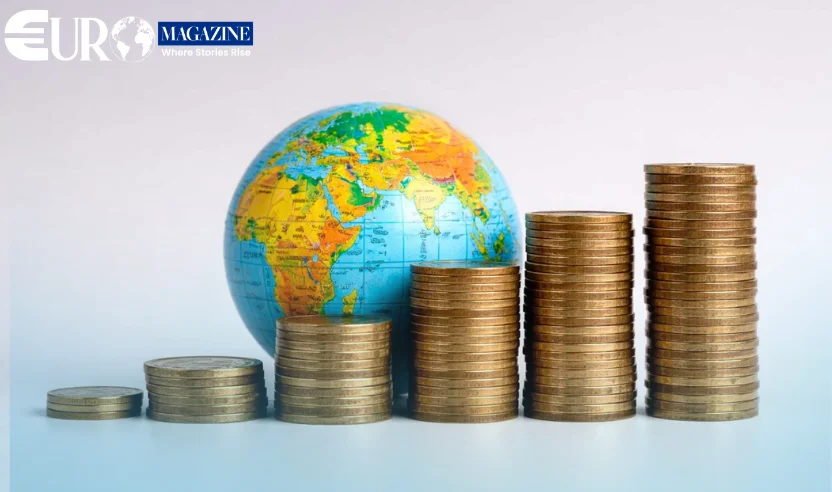
A new global prosperity index has reshaped the ranking of the world’s richest countries, pushing major economies such as the United States, France, and Germany out of the top ten by factoring in inequality and quality of life alongside income. The index, developed by financial services comparison platform HelloSafe, evaluates more than 50 countries using a combined score based on income levels, wealth distribution, and broader social indicators. The findings suggest that traditional measures such as GDP per capita alone may not fully reflect a country’s true level of prosperity.
According to the report, Norway ranks as the richest country in 2026, supported by high gross national income and a well-balanced social system. Ireland follows in second place, despite distortions in its GDP figures driven by multinational corporations. Luxembourg, which previously held the top position, ranks third this year.
The analysis highlights that economic output does not necessarily translate into improved living standards for all citizens. Countries with strong social systems, lower inequality, and better public services perform more strongly under the new methodology.
Europe dominates the upper end of the rankings, with several smaller nations outperforming larger economies. Iceland also ranks among the top performers, supported by strong human development indicators and low levels of poverty.
In contrast, the United States is placed 17th, reflecting a combination of high income levels and significant inequality. France ranks 20th, while Germany also falls outside the top ten, indicating that wealth distribution and social outcomes play a decisive role in overall prosperity.
The report also highlights regional trends beyond Europe. In Africa, Seychelles ranks highest, followed by Mauritius and Algeria, supported by relatively strong income levels and human development indicators. In Latin America, Uruguay leads for the first time, ahead of Chile and Panama.
In Asia, Singapore ranks highest in the region but is held back by inequality despite strong income performance. Qatar and the United Arab Emirates also feature prominently among top-ranking countries outside Europe.
The findings underscore a shift in how global wealth is defined. Analysts note that prosperity is increasingly measured not just by how much a country produces, but by how evenly that wealth is distributed and how effectively it improves citizens’ quality of life.
As global economies continue to evolve, the new index suggests that inclusive growth and social stability are becoming key benchmarks of long-term national wealth.


























Comments
Be the first to share your thoughts.
Leave a comment
Join the conversation. Your email address will not be published.