

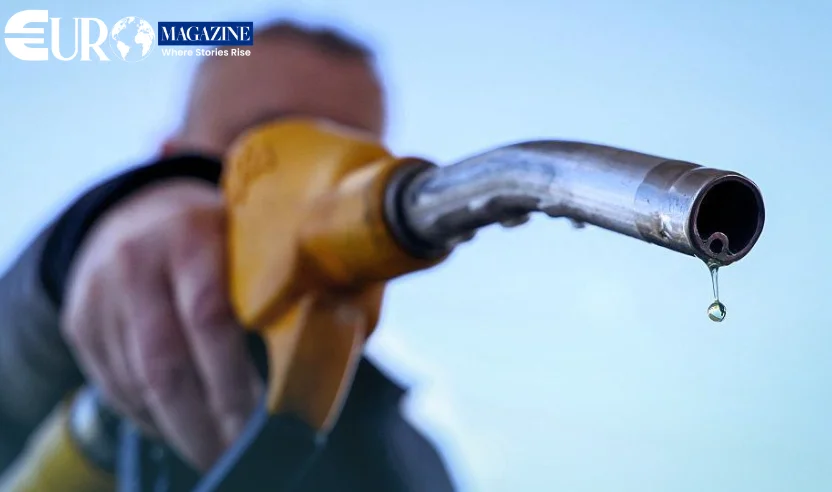
Fuel prices across Europe continue to remain significantly higher than pre-conflict levels, despite a fragile ceasefire between Iran and the United States following weeks of escalating tensions. Petrol and diesel prices surged sharply after the United States and Israel launched coordinated strikes on Iran on February 28, triggering retaliatory actions from Tehran and disrupting global energy markets. Although a ceasefire was reached on April 8, price levels have only partially eased.
According to data based on the European Commission’s Weekly Oil Bulletin, the average price of petrol across the European Union rose from €1.64 per litre on February 23 to €1.83 by April 20, marking a 12% increase.
Several countries experienced even steeper rises. Belgium, Czechia, and Bulgaria recorded the highest increases at 22%, while France saw petrol prices climb 18% and Germany 15%. In contrast, Spain and Italy registered more moderate increases of 3% and 7% respectively, with Malta reporting no change.
Diesel prices rose more sharply than petrol during the same period. The EU average for diesel increased from €1.59 to €2.01 per litre, representing a 26% jump. Bulgaria recorded the highest increase at 43%, followed by France at 36% and Estonia at 35%. Several other countries, including Belgium, Cyprus, and Croatia, also saw increases exceeding 30%.
Among major European economies, diesel prices rose by 27% in Spain, 24% in Italy, and 23% in Germany. Hungary and Romania reported comparatively smaller increases of 13%, while Poland saw a 15% rise.
Despite slight declines following the ceasefire, fuel prices across the region remain elevated. As of April 20, petrol prices exceeded €2 per litre in several countries, including the Netherlands, Denmark, Germany, Greece, and France. The Netherlands recorded the highest petrol price at €2.28 per litre.
Diesel prices also remained high, with the Netherlands leading at €2.30 per litre, followed by Finland, France, Denmark, and Belgium. In contrast, Malta recorded the lowest diesel price at €1.21 per litre, significantly below the EU average.
Market trends indicate that fuel prices began rising even before the strikes, with petrol nearing €1.90 per litre by late March and diesel surpassing €2.06. Both fuels peaked in early April before easing slightly after the ceasefire announcement.
Energy analysts note that geopolitical tensions and supply disruptions have played a key role in driving price volatility, with the Strait of Hormuz remaining a critical factor in global oil supply dynamics.
Despite recent declines, fuel costs across Europe continue to reflect the lasting impact of the conflict, with prices expected to remain sensitive to geopolitical developments in the near term.
























Comments
Be the first to share your thoughts.
Leave a comment
Join the conversation. Your email address will not be published.