

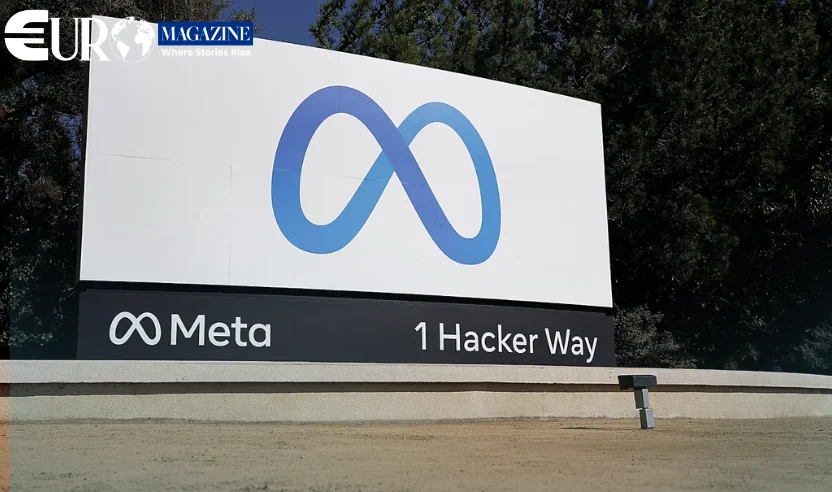
Meta is cutting approximately 8,000 jobs, or around 10 per cent of its workforce, as the company increases spending on artificial intelligence, while Microsoft is preparing to offer voluntary buyouts to thousands of employees in a parallel effort to manage rising costs. Meta confirmed the layoffs, stating the move is aimed at improving efficiency and reallocating resources toward priority areas, particularly AI development. The company is also expected to leave about 6,000 open positions unfilled as part of the restructuring.
The decision comes as Meta anticipates a sharp increase in overall expenses next year, projecting total costs between $162 billion and $169 billion. The rise is largely driven by investment in infrastructure and the high salaries required to attract specialised AI talent.
Analysts suggest that advances in AI are allowing companies to automate functions previously handled by larger teams, enabling leaner operational structures while maintaining productivity.
Meanwhile, Microsoft is pursuing a different approach, offering voluntary buyouts to approximately 8,750 employees in the United States, representing about 7 per cent of its domestic workforce. The offers are expected to be rolled out in early May.
The strategy allows employees to exit on their own terms, supported by company-provided incentives, rather than through direct layoffs.
Despite the differing methods, both companies face similar pressures tied to the rising cost of artificial intelligence development. Microsoft has invested heavily in expanding its global data centre network, which supports cloud computing services, AI systems, and tools such as its Copilot assistant.
The workforce reductions and restructuring efforts reflect a broader shift within the technology sector, where companies are reallocating resources to support large-scale AI investments while managing operational costs.
The developments underscore the growing financial demands of the AI race, as major technology firms balance workforce adjustments with long-term strategic priorities.






























Comments
Be the first to share your thoughts.
Leave a comment
Join the conversation. Your email address will not be published.