
Leadership is entering a completely new era. The business world is no longer operating under the same conditions that shaped previous generations of executives and entrepreneurs. Technology is evolving rapidly, industries are becoming more connected globally, workplace expectations are shifting, and artificial intelligence is transforming how companies function on a daily basis.
In this environment, leadership is no longer only about managing operations or driving revenue growth. Future business leaders are expected to navigate uncertainty, inspire people, adapt to technological disruption, and build organizations capable of surviving constant change.
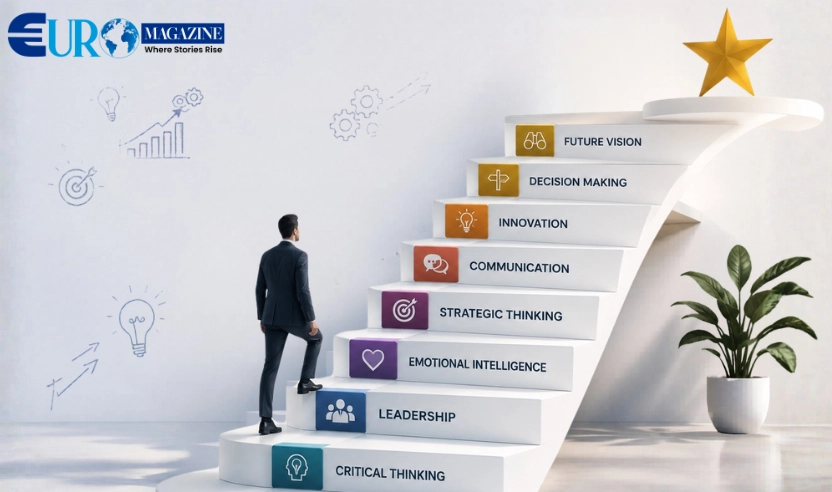
The leaders who succeed over the next decade are unlikely to rely solely on authority or experience. Instead, they will need a combination of strategic thinking, emotional intelligence, adaptability, and digital awareness to remain effective in increasingly competitive industries.
Modern leadership is becoming more human-centered while also becoming more technology-driven at the same time. This balance will define the next generation of successful business leaders.
Emotional Intelligence Is Becoming More Important Than Traditional Authority
One of the biggest changes happening in leadership today is the growing importance of emotional intelligence. In previous decades, leadership often focused heavily on operational control, performance metrics, and hierarchy. While those factors still matter, companies are increasingly recognizing that strong leadership also depends on understanding people.
Employees today want leaders who communicate clearly, understand workplace challenges, and create environments where teams feel supported and motivated. Emotional intelligence helps leaders manage relationships more effectively, especially during periods of stress or uncertainty.
Business leaders with strong emotional intelligence are often better at:
- Managing workplace conflict
- Building team trust
- Understanding employee motivation
- Communicating under pressure
- Creating healthy workplace culture
As workplaces become more collaborative and diverse, emotional intelligence is no longer considered a soft skill alone. It is becoming one of the most valuable leadership strengths in modern business environments.
Adaptability Will Define Long-Term Leadership Success
The speed of change across industries means adaptability is becoming essential for leadership survival.
Artificial intelligence, digital transformation, economic shifts, remote work culture, and changing consumer behavior are continuously reshaping business operations. Leaders who remain attached to rigid systems or outdated strategies may struggle to keep pace with evolving markets.
Future business leaders must become comfortable operating in uncertain environments. Instead of resisting change, they will need to embrace continuous evolution and remain open to learning new approaches.
Adaptable leaders are often more capable of:
- Responding to industry disruption
- Leading digital transformation
- Managing unexpected market changes
- Exploring new business opportunities
- Making faster strategic decisions
The future economy will reward leaders who can evolve quickly without losing long-term strategic direction.
Digital Thinking Is No Longer Optional
Technology is influencing nearly every aspect of business today. From customer experience and communication to marketing, operations, and decision-making, digital systems are shaping how organizations compete globally.
Future leaders do not necessarily need advanced technical expertise, but they must understand how technology impacts modern business environments.
Digital leadership now involves understanding:
- Artificial intelligence tools
- Automation systems
- Data-driven decision-making
- Digital communication trends
- Online consumer behavior
- Technology-based innovation
Businesses that ignore digital transformation may struggle to remain competitive over the next decade. As a result, future leaders must become comfortable making decisions in highly digital business ecosystems.
Technology is no longer a separate department within organizations. It is becoming part of leadership strategy itself.
Communication Skills Continue to Separate Great Leaders
Strong communication has always been important in leadership, but its role has expanded significantly in the digital era.
Today’s leaders communicate across international teams, remote workplaces, online platforms, and diverse professional cultures. Leadership communication is no longer limited to meetings or presentations. It now includes storytelling, digital engagement, public communication, and relationship-building across multiple platforms.
Leaders who communicate effectively are often better at:
- Inspiring teams
- Building organizational trust
- Explaining complex ideas clearly
- Managing crises calmly
- Strengthening collaboration
In many cases, leadership influence is directly connected to communication ability. Leaders who fail to communicate transparently or authentically may struggle to maintain employee confidence during periods of uncertainty.
As workplaces become increasingly digital, communication itself is becoming a major leadership advantage.
Strategic Thinking Is Becoming More Complex
Business strategy today requires much deeper analysis than in previous decades. Leaders are no longer operating in stable environments with predictable long-term patterns. Instead, they are managing organizations during periods of constant transformation.
Future business leaders must balance:
- Economic uncertainty
- Technological innovation
- Workforce changes
- Sustainability expectations
- Global competition
- Consumer behavior shifts
Strategic thinking now involves preparing organizations not only for present conditions but also for future disruption.
Leaders who can anticipate industry trends and adapt early often create stronger long-term advantages for their organizations.
Important strategic leadership abilities include:
- Long-term planning
- Risk management
- Innovation-focused thinking
- Market awareness
- Decision-making under uncertainty
The future belongs to leaders capable of thinking beyond short-term performance metrics while preparing businesses for long-term evolution.
Human-Centered Leadership Is Reshaping Workplaces
Modern employees expect far more from leadership than operational efficiency alone. Workplace culture, flexibility, mental wellness, inclusion, and professional growth are becoming major factors influencing employee satisfaction and retention.
Future business leaders must understand how to create organizations where people feel valued rather than simply managed.
This shift is changing how leaders approach:
- Team development
- Employee well-being
- Workplace flexibility
- Collaboration culture
- Leadership transparency
Companies with strong people-focused cultures are increasingly attracting stronger talent and building more sustainable long-term performance.
The future of leadership is becoming more connected to human understanding than pure authority alone.
Innovation Will Continue Driving Business Growth
Innovation is becoming one of the strongest competitive advantages in modern business.
Industries are evolving rapidly because of artificial intelligence, automation, digital platforms, and changing consumer expectations. Businesses resistant to innovation often struggle to remain relevant over time.
Future leaders must encourage creativity and forward-thinking cultures inside their organizations. They must become comfortable exploring new ideas, testing different approaches, and adapting business models when industries shift.
Innovation-focused leaders are often better prepared to:
- Identify future opportunities
- Navigate industry disruption
- Improve customer experiences
- Build scalable business models
- Maintain market relevance
The companies most likely to succeed in the future are those led by individuals willing to evolve continuously rather than protect outdated systems.
Continuous Learning Is Becoming Essential
The pace of change in modern industries means static knowledge is no longer enough for long-term leadership success.
Future leaders must remain committed to continuous learning throughout their careers. Skills that are highly valuable today may become outdated within only a few years as technology and markets evolve.
Leaders who continue learning are often better prepared to understand:
- Emerging technologies
- Consumer behavior trends
- AI-driven business changes
- New leadership strategies
- Global economic developments
Continuous learning is no longer simply personal development. It is becoming a professional leadership responsibility.
The Future of Business Leadership
The future of leadership will not be defined only by experience, authority, or technical expertise. It will increasingly depend on the ability to combine human understanding with digital intelligence, strategic thinking with adaptability, and innovation with long-term vision.
The next generation of successful leaders will likely be those who:
- Adapt quickly to change
- Lead with emotional intelligence
- Communicate authentically
- Embrace innovation
- Build people-focused cultures
- Understand digital transformation
- Continue learning consistently
Leadership itself is becoming more dynamic, global, and interconnected than ever before.
As industries continue evolving, future business leaders will need to guide organizations through complexity while creating environments where both businesses and people can grow sustainably.
The leaders who thrive in the next decade are unlikely to be those who resist change. They will be the individuals capable of evolving alongside it while helping others move forward with confidence and clarity.
You can also read:-