

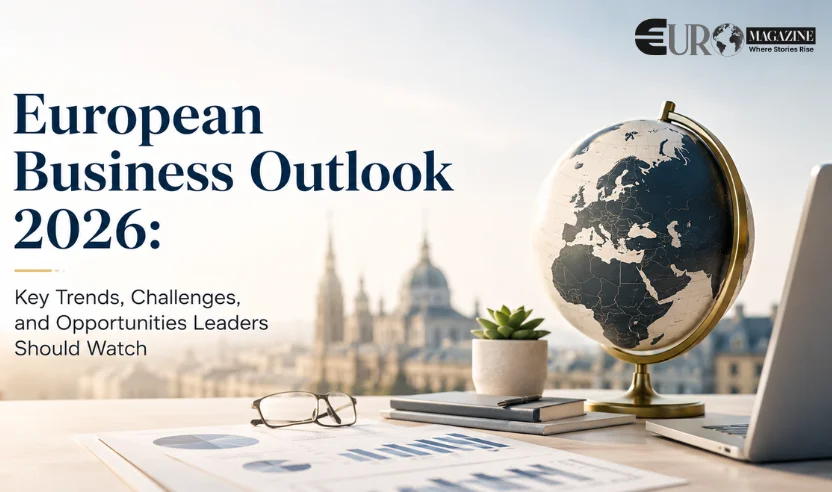
Europe's business landscape is entering a defining period. As organizations continue to navigate economic uncertainty, technological disruption, changing workforce expectations, and increasing regulatory complexity, business leaders are being challenged to rethink traditional growth strategies. While the past few years have tested the resilience of companies across industries, they have also accelerated innovation, encouraged digital transformation, and created new opportunities for organizations willing to adapt.
The European economy has long been recognized for its diversity, innovation, and global influence. Home to some of the world's most advanced manufacturing hubs, financial centers, technology ecosystems, and sustainability initiatives, Europe remains a critical driver of global business activity. However, the factors shaping business success today are significantly different from those that defined the previous decade.
Leaders are no longer focused solely on increasing market share or maximizing short-term profits. Instead, they are balancing growth with resilience, sustainability, workforce development, cybersecurity, and long-term value creation. The organizations that thrive in 2026 will be those that can successfully navigate change while remaining agile enough to capitalize on emerging opportunities.
As the business environment continues to evolve, several key trends are expected to shape the European market throughout the year.
A New Era of Economic Adaptation
European businesses are operating in an environment where adaptability has become one of the most valuable competitive advantages. Economic conditions remain dynamic, influenced by inflation management, interest rate adjustments, global trade developments, and geopolitical factors.
Rather than waiting for complete market stability, many organizations are proactively restructuring operations, diversifying supply chains, and improving financial resilience. Strategic planning has become increasingly focused on flexibility, allowing businesses to respond quickly to unexpected challenges while maintaining long-term growth objectives.
This shift reflects a broader change in corporate thinking. Companies are moving away from purely reactive decision-making and investing in strategies that allow them to remain competitive regardless of economic fluctuations. Leaders who embrace adaptability are positioning their organizations to navigate uncertainty more effectively while identifying new growth opportunities.
Artificial Intelligence Is Becoming a Business Essential
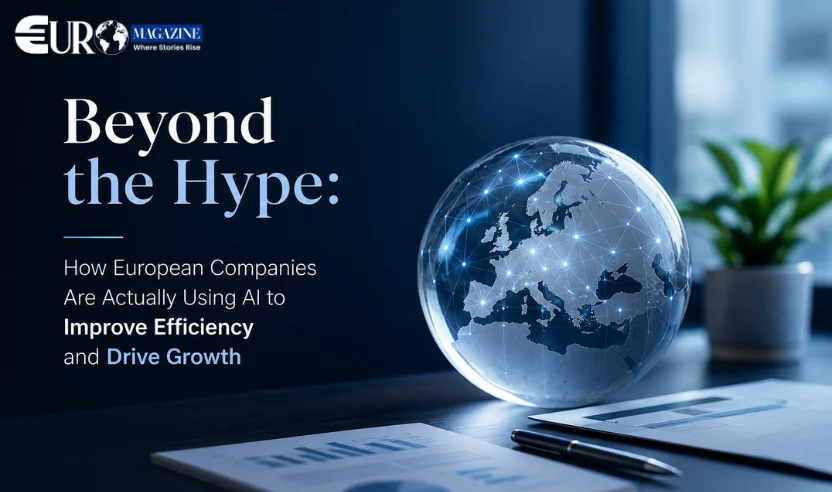
Artificial intelligence is no longer viewed as an emerging technology reserved for large technology companies. Across Europe, businesses of all sizes are incorporating AI into their operations to improve efficiency, streamline processes, and enhance decision-making.
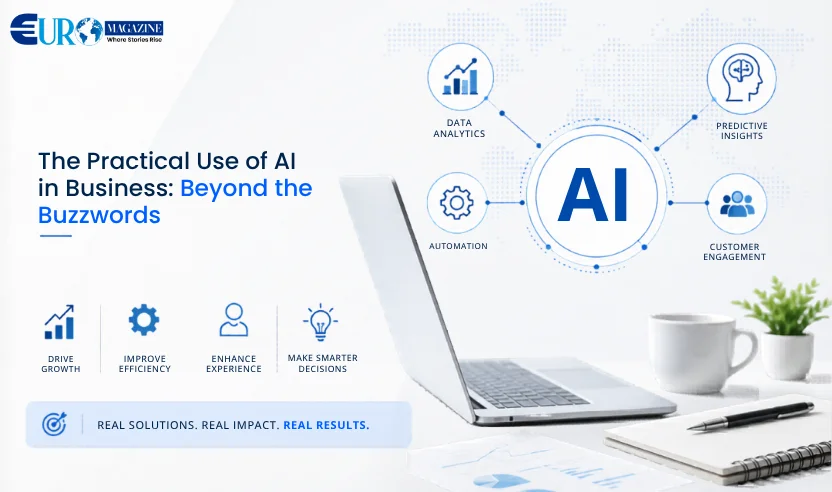
Organizations are using AI-powered tools to automate routine tasks, improve customer support, optimize supply chains, analyze large datasets, and generate valuable business insights. These applications are helping companies reduce operational costs while increasing productivity and responsiveness.
However, the conversation surrounding AI is evolving. Business leaders are now focused on responsible implementation, workforce readiness, data governance, and regulatory compliance. The goal is not simply to adopt artificial intelligence but to integrate it in ways that create measurable value while maintaining transparency and trust.
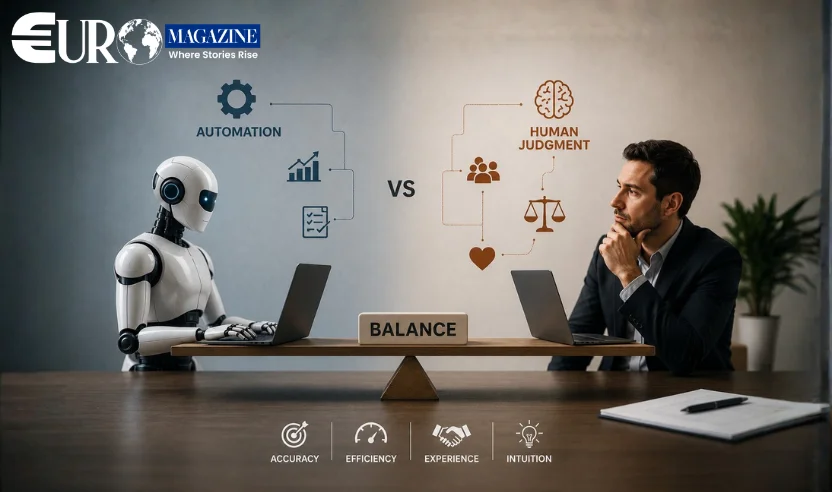
Companies that successfully balance technological innovation with human expertise are expected to gain significant advantages in efficiency, customer experience, and operational performance.
Sustainability Is Driving Business Strategy
Sustainability has moved from the margins of corporate strategy to the center of business decision-making. Investors, customers, regulators, and employees increasingly expect organizations to demonstrate genuine commitments to environmental and social responsibility.
Across Europe, businesses are investing in cleaner technologies, renewable energy solutions, sustainable sourcing practices, and carbon reduction initiatives. These efforts are not solely driven by regulatory requirements. Many organizations are recognizing that sustainable business practices can also strengthen brand reputation, improve operational efficiency, and attract investment.
The growing emphasis on Environmental, Social, and Governance (ESG) performance is influencing everything from corporate reporting and investment decisions to customer purchasing behavior. Organizations that embed sustainability into their long-term strategies are likely to be better positioned for future growth.
Digital Transformation Continues to Accelerate
Digital transformation remains one of the most significant forces reshaping European industries. Businesses are investing heavily in cloud technologies, advanced analytics, automation, and digital customer engagement platforms to remain competitive.
Consumers and business clients increasingly expect seamless digital experiences. Whether interacting with a retailer, financial institution, healthcare provider, or manufacturing company, customers value convenience, personalization, and efficiency.
As a result, organizations are modernizing legacy systems and developing more agile operating models. Digital transformation is no longer viewed as a temporary initiative but as a continuous process of improvement and innovation.
Companies that successfully leverage digital technologies are improving operational performance, strengthening customer relationships, and creating new revenue opportunities.
Workforce Transformation Is Reshaping the Future of Work
The European workforce is undergoing significant change. Employees are increasingly prioritizing flexibility, meaningful work, career development opportunities, and workplace well-being.
Hybrid and flexible working arrangements have become common across many industries. At the same time, organizations are facing ongoing challenges related to talent shortages, skills gaps, and employee retention.
To remain competitive, businesses are investing in training programs, leadership development initiatives, and employee engagement strategies. Continuous learning has become particularly important as emerging technologies create demand for new skills and competencies.
Forward-thinking organizations understand that long-term success depends not only on technology and infrastructure but also on their ability to attract, develop, and retain talented professionals.
Key Trends Leaders Should Watch in 2026
Several developments are expected to have a significant impact on European businesses this year:
-
Increased adoption of artificial intelligence and automation
-
Continued investment in cybersecurity and data protection
-
Growing importance of sustainability and ESG performance
-
Expansion of cloud-based business infrastructure
-
Increased focus on workforce development and upskilling
-
Greater use of data-driven decision-making
-
Rising demand for personalized customer experiences
-
Increased investment in innovation and research
-
Supply chain diversification and resilience planning
-
Stronger emphasis on corporate transparency and accountability
While these trends affect industries differently, they collectively represent the direction in which the European business environment is evolving.
Cybersecurity Is a Strategic Priority
As businesses become more digitally connected, cybersecurity risks continue to increase. Cyberattacks are becoming more sophisticated, targeting organizations of all sizes across multiple sectors.
Protecting sensitive data, maintaining operational continuity, and preserving customer trust have become critical business priorities. As a result, cybersecurity is increasingly viewed as a board-level issue rather than solely an IT responsibility.
Organizations are investing in advanced security technologies, employee awareness programs, risk management frameworks, and incident response planning. Strong cybersecurity practices are becoming essential for maintaining competitiveness and protecting long-term business value.
Leadership Will Determine Long-Term Success
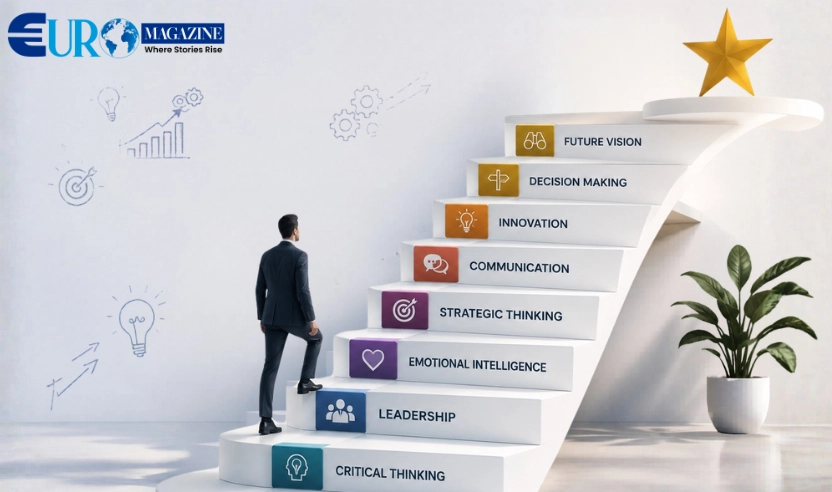
Technology, innovation, and investment all play important roles in business performance, but leadership remains the defining factor behind organizational success.
The challenges facing executives today are more complex than ever. Leaders must manage economic uncertainty, technological transformation, workforce expectations, sustainability goals, and regulatory changes simultaneously.
Successful leaders are those who can balance short-term priorities with long-term vision. They foster cultures of innovation, encourage collaboration, communicate transparently, and empower teams to adapt to change.
As organizations navigate the opportunities and challenges of 2026, leadership quality will continue to be one of the most important drivers of growth and resilience.
Opportunities Emerging Across Europe
Despite ongoing challenges, Europe continues to offer substantial opportunities for businesses willing to innovate and adapt. Several sectors are expected to experience strong growth, including:
-
Artificial intelligence and advanced technologies
-
Renewable energy and clean technology
-
Healthcare and life sciences
-
Financial technology and digital banking
-
Advanced manufacturing
-
E-commerce and digital services
-
Cybersecurity solutions
-
Sustainable infrastructure development
Businesses that identify emerging opportunities early and invest strategically are likely to strengthen their competitive position in the years ahead.
Conclusion
The European business outlook for 2026 is defined by transformation, innovation, and resilience. While economic and geopolitical uncertainties remain, they are being matched by significant opportunities driven by technological advancement, sustainability initiatives, workforce evolution, and digital transformation.
Organizations that embrace change, invest in innovation, strengthen operational resilience, and prioritize long-term value creation will be best positioned for success. The coming year is unlikely to reward businesses that rely solely on traditional approaches. Instead, it will favor leaders who demonstrate adaptability, strategic thinking, and a willingness to evolve alongside changing market conditions.
As Europe continues to shape the future of global commerce, the organizations that combine innovation with strong leadership and sustainable growth strategies will emerge as the defining business success stories of 2026.
You can also read:-
















Comments
Be the first to share your thoughts.
Leave a comment
Join the conversation. Your email address will not be published.