

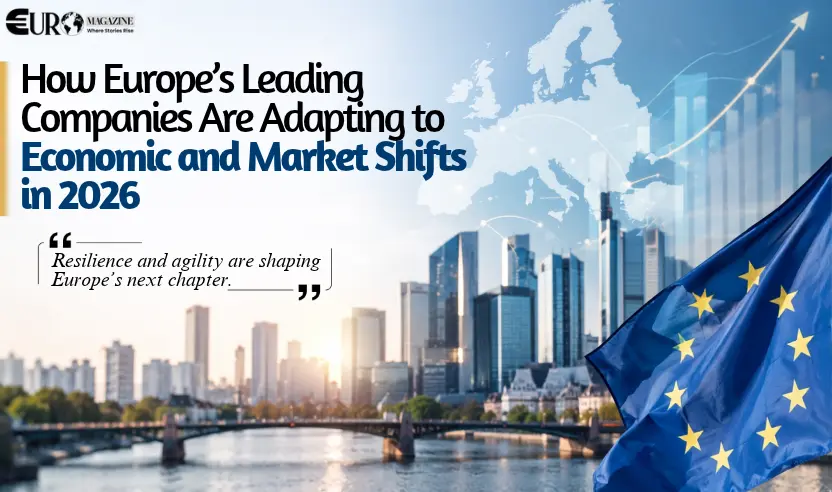
For much of the past decade, European businesses operated in an environment where growth strategies could be built around relatively predictable economic conditions, established consumer behaviors, and stable global trade relationships. Today, that reality has changed dramatically. Economic uncertainty, technological disruption, evolving regulations, workforce transformation, and changing customer expectations are reshaping the business landscape at an unprecedented pace.
Across Europe, executives are navigating a marketplace that demands greater agility than ever before. Traditional business models are being challenged, industries are being redefined by technology, and competitive advantages that once lasted for years can now disappear within months. At the same time, new opportunities are emerging for organizations capable of adapting quickly and strategically.
The most successful companies are not necessarily those with the largest budgets or longest histories. Increasingly, they are organizations that recognize change as a permanent feature of modern business and are willing to evolve ahead of market demands. Whether operating in manufacturing, finance, healthcare, technology, retail, logistics, or professional services, Europe's leading companies are demonstrating a common characteristic: they are actively preparing for the future rather than reacting to it.
As 2026 unfolds, several important developments are influencing how businesses make decisions, allocate resources, and pursue growth. Understanding these shifts offers valuable insight into where the European economy is headed and how organizations are positioning themselves for long-term success.
A Business Environment Defined by Constant Change
Business leaders across Europe are increasingly recognizing that uncertainty is no longer an occasional disruption—it has become a permanent aspect of the operating environment. Economic fluctuations, geopolitical developments, energy market volatility, inflationary pressures, and supply chain challenges continue to influence strategic planning across industries.
Rather than waiting for conditions to stabilize, many organizations are redesigning their business models to perform effectively under a wide range of circumstances. Flexibility has become a strategic asset. Companies are building structures that allow them to respond quickly to changing market conditions while maintaining operational stability.
This shift represents a significant departure from traditional planning approaches. Long-term success is no longer determined solely by forecasting accuracy. It increasingly depends on an organization's ability to adapt when assumptions change.
Leading businesses are investing in stronger forecasting capabilities, scenario planning frameworks, and real-time performance monitoring systems. These tools help executives make faster and more informed decisions while reducing exposure to unexpected risks.
The result is a new generation of organizations that prioritize resilience alongside growth.
From Cost Management to Strategic Investment
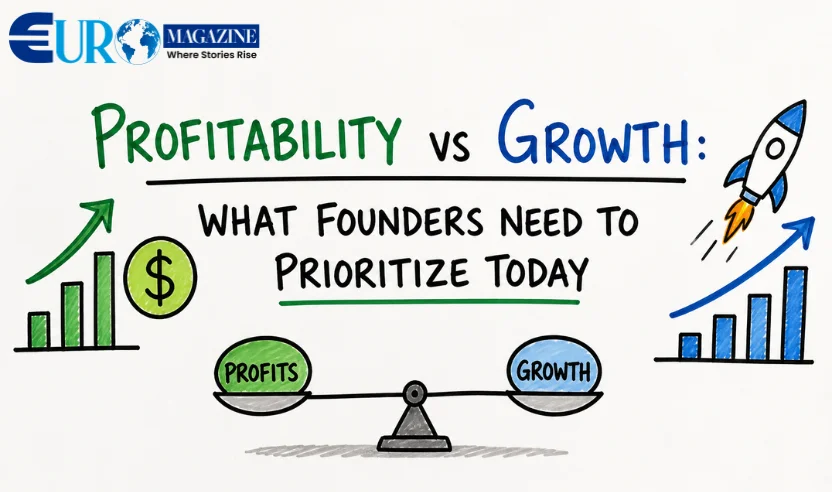
Periods of economic uncertainty often encourage businesses to focus exclusively on cost reduction. While financial discipline remains important, many of Europe's leading companies are taking a more balanced approach.
Instead of viewing challenging market conditions solely as a reason to reduce spending, they are identifying areas where strategic investments can create long-term advantages. Technology modernization, workforce development, cybersecurity, and operational efficiency initiatives continue to attract significant investment despite broader economic pressures.
This approach reflects a growing recognition that periods of uncertainty often create opportunities for market leadership. Companies that continue investing in innovation while competitors pull back frequently emerge stronger when market conditions improve.
Many executives are asking a different question than they did in previous economic cycles. Rather than asking where costs can be reduced, they are increasingly asking where investments can generate the greatest future value.
That mindset is influencing decision-making across every major sector of the European economy.
Technology Is Becoming the Foundation of Competitive Advantage
Technology has moved beyond its traditional role as a support function. Today, it sits at the center of business strategy.
Across Europe, organizations are accelerating digital transformation initiatives to improve efficiency, strengthen customer relationships, and enhance decision-making. Businesses that once viewed technology adoption as a gradual process are now treating it as a competitive necessity.
Cloud computing, advanced analytics, automation, and artificial intelligence are enabling companies to operate more efficiently while responding faster to changing market conditions. These technologies provide leaders with deeper visibility into operations, customer behavior, and market trends.
The impact extends far beyond productivity improvements. Technology is changing how companies design products, engage customers, manage supply chains, and identify new growth opportunities.
Businesses that effectively leverage digital capabilities are finding it easier to scale operations, improve customer experiences, and maintain competitiveness in increasingly crowded markets.
Those that fail to modernize risk falling behind competitors that are using technology to create entirely new standards of performance.
Artificial Intelligence Is Moving Into Everyday Business Operations
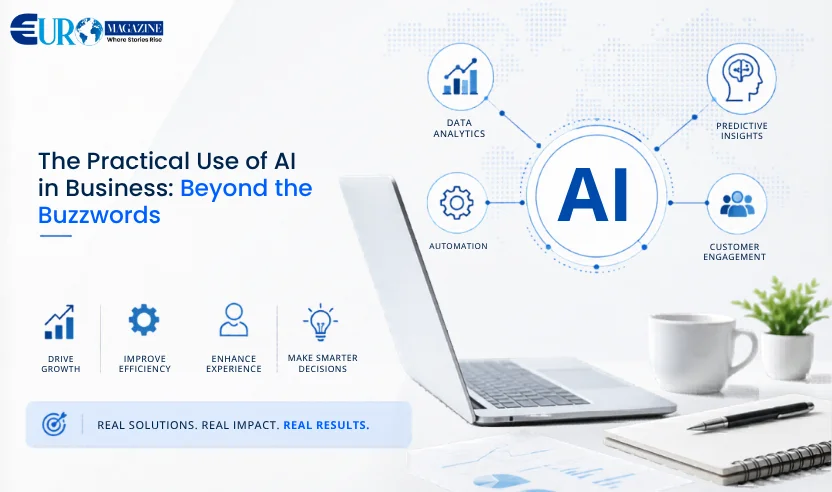
Artificial intelligence has become one of the most influential business developments of the decade. While early discussions often focused on future possibilities, organizations are now concentrating on practical applications that deliver measurable results.
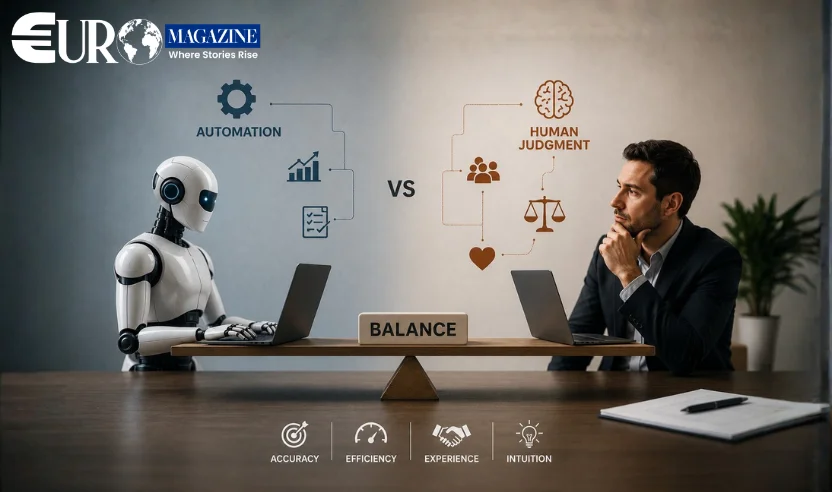
Across Europe, businesses are integrating AI into customer service, financial forecasting, inventory management, marketing, risk assessment, and operational planning. Rather than replacing employees, AI is increasingly being used to support better decision-making and improve productivity.
Companies that successfully implement AI are gaining access to insights that would have been difficult or impossible to generate through traditional methods. Predictive analytics, automated reporting, and intelligent process optimization are helping organizations operate with greater accuracy and speed.
However, successful adoption requires more than technology investment. It also demands leadership commitment, employee training, governance frameworks, and careful consideration of ethical and regulatory requirements.
The organizations achieving the greatest success are treating AI as a strategic capability rather than a standalone technology project.
Workforce Transformation Is Reshaping Corporate Priorities
One of the most significant shifts occurring across Europe involves the relationship between employers and employees.
Workforce expectations have evolved considerably in recent years. Employees increasingly prioritize flexibility, career development, workplace culture, well-being, and purpose when evaluating professional opportunities. Competitive salaries remain important, but they are no longer the sole factor influencing employment decisions.
At the same time, many industries continue to face skills shortages, particularly in technology, engineering, cybersecurity, and specialized professional services.
Leading organizations are responding by investing heavily in talent development. Upskilling and reskilling initiatives have become critical components of workforce strategy. Companies are creating learning environments that help employees adapt to technological change while preparing for future leadership responsibilities.
Hybrid work models continue to influence workplace design and management practices. Organizations are focusing on creating cultures that encourage collaboration, engagement, and innovation regardless of where employees are located.
The businesses that attract and retain top talent are increasingly those that demonstrate a genuine commitment to employee growth and development.
Sustainability Is Influencing Business Decisions at Every Level
Sustainability has evolved from a corporate responsibility initiative into a fundamental business consideration.
Across Europe, environmental performance is increasingly influencing customer preferences, investor decisions, regulatory requirements, and brand reputation. Organizations are recognizing that sustainability and profitability are not competing objectives. In many cases, they are becoming closely connected.
Businesses are investing in cleaner technologies, renewable energy solutions, sustainable sourcing strategies, and resource efficiency improvements. These initiatives often deliver operational benefits while helping companies meet stakeholder expectations.
Investors are also paying closer attention to environmental, social, and governance performance. Organizations that demonstrate clear sustainability strategies frequently enjoy stronger investor confidence and greater access to capital.
As sustainability expectations continue to grow, companies that integrate responsible business practices into their core strategies are likely to gain significant competitive advantages.
The Key Strategies Europe's Leading Companies Are Using to Navigate Change
While industries face unique challenges, several common approaches are emerging among Europe's most successful organizations:
- Investing in digital transformation initiatives
- Leveraging artificial intelligence for operational improvement
- Strengthening cybersecurity capabilities
- Building more resilient supply chains
- Expanding workforce development programs
- Prioritizing sustainability and ESG performance
- Improving customer experience through innovation
- Diversifying revenue streams and market exposure
- Enhancing risk management and scenario planning
- Maintaining financial flexibility for strategic opportunities
These strategies reflect a broader shift toward adaptability, resilience, and long-term value creation.
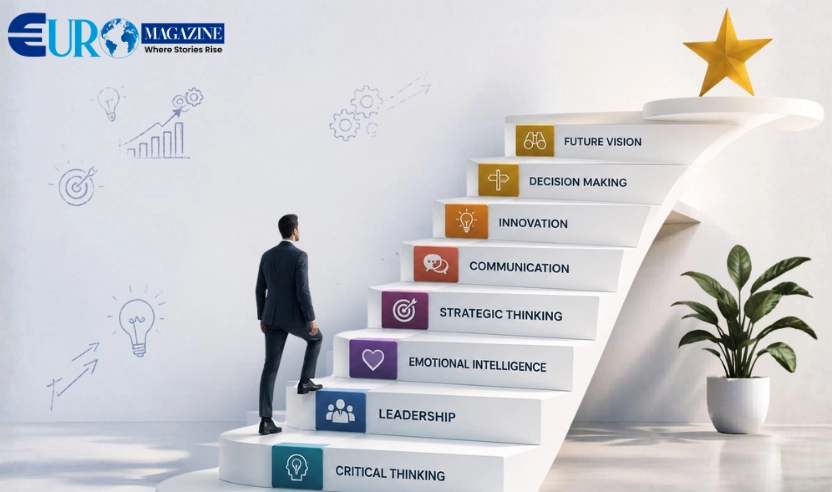
Leadership Is Becoming the Ultimate Differentiator
Technology, capital, and innovation all contribute to business success, but leadership remains the factor that ultimately determines whether organizations can successfully navigate change.
Today's executives face a level of complexity rarely seen in previous generations. They must balance economic pressures with growth objectives, technological innovation with workforce needs, and short-term performance with long-term strategy.
The most effective leaders are those who embrace uncertainty rather than fear it. They communicate clearly, make informed decisions, encourage innovation, and create cultures capable of adapting to change.
As organizations continue to evolve, leadership quality will remain one of the strongest predictors of long-term success.
Looking Ahead
The economic and market shifts shaping Europe in 2026 are redefining how businesses operate, compete, and grow. While uncertainty remains a constant feature of the business environment, it is also creating opportunities for organizations willing to innovate and adapt.
Europe's leading companies are demonstrating that resilience is not simply about surviving disruption. It is about using periods of change to strengthen capabilities, improve performance, and build new competitive advantages.
The organizations that emerge strongest from this period will be those that continue investing in people, technology, innovation, and sustainable growth while maintaining the agility needed to respond to an evolving marketplace.
In a business world where change is increasingly the only constant, adaptability has become one of the most valuable assets any organization can possess.











Comments
Be the first to share your thoughts.
Leave a comment
Join the conversation. Your email address will not be published.