

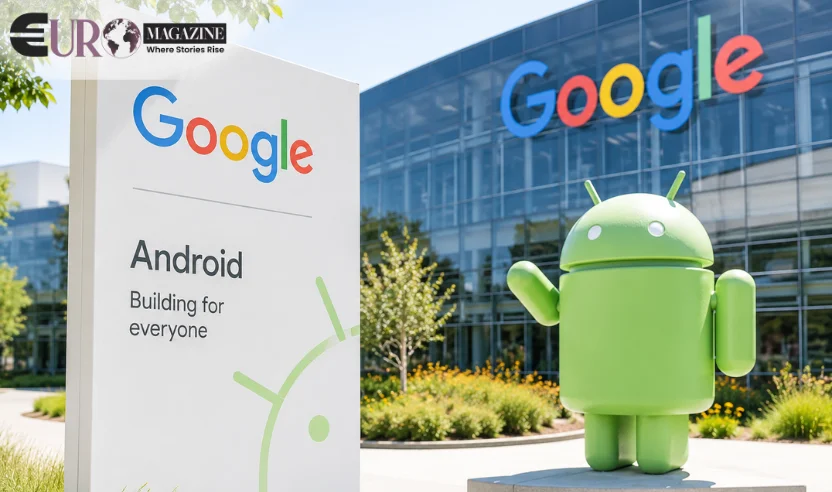
Europe's highest court has upheld a €4.1 billion ($4.8 billion) antitrust fine against Google, bringing to a close one of the European Union's most significant competition cases and reinforcing the bloc's tough stance on the market power of major technology companies.
The ruling dismisses Google's appeal against the penalty imposed by the European Commission, which concluded that the company had used its Android mobile operating system to strengthen the dominance of its search engine and browser at the expense of competing services.
The judgment confirms a reduced penalty of €4.1 billion, down from the original €4.34 billion fine issued in 2018, but still represents the largest competition penalty ever imposed by the European Commission on Google.
Court Backs European Commission's Findings
The case stems from a lengthy investigation into Google's Android business practices, with regulators arguing that the company leveraged the world's most widely used mobile operating system to limit competition in the online search and browser markets.
According to the Commission, Google required smartphone and tablet manufacturers to pre-install Google Search and the Chrome browser as a condition for obtaining access to the Google Play Store.
Regulators also found that Google offered financial incentives to certain manufacturers and mobile network operators in exchange for exclusively pre-installing Google Search on their devices.
In addition, the Commission concluded that Google discouraged manufacturers from selling devices powered by alternative versions of Android, commonly referred to as "Android forks," by restricting access to Google's mobile application ecosystem.
The court agreed that these practices restricted market competition and strengthened Google's dominant position in internet search services.
Google Defends Android Business Model
Following the ruling, Google said it disagreed with the court's decision.
A company spokesperson said the judgment does not fully recognize Google's investment in maintaining Android as an open, interoperable and free operating system for manufacturers and developers.
The company also noted that it modified its commercial agreements after the European Commission's original decision in 2018 and said it remains focused on innovation while continuing to support developers, hardware partners and consumers.
Google has consistently argued that Android has increased consumer choice by allowing manufacturers to produce affordable smartphones while giving users access to a broad range of applications and services.
Long-Running Regulatory Scrutiny
The Android case is one of several major antitrust actions brought against Google by European regulators over the past decade.
In 2024, the European Union upheld a €2.4 billion fine related to Google's shopping comparison service, ruling that the company had unfairly favored its own platform over competitors in search results.
A year later, European regulators imposed another €2.95 billion penalty after determining that Google had given preferential treatment to its own online advertising products, disadvantaging rival advertising technology providers.
Together, the cases reflect the European Union's broader efforts to strengthen competition enforcement across digital markets and limit the influence of dominant technology platforms.
Implications for the Technology Industry
Competition experts say the latest judgment sends a strong signal that European regulators will continue closely examining the business practices of large digital platforms.
The decision could encourage regulators in other jurisdictions to pursue similar investigations involving operating systems, app marketplaces and digital ecosystems where dominant firms control access to consumers.
Industry analysts also expect the ruling to influence future regulatory discussions surrounding platform neutrality, mobile software licensing and fair competition within the global technology sector.
Outlook
The court's decision represents another major legal setback for Google in Europe and reinforces the European Union's commitment to enforcing competition rules against global technology companies.
While Google has already adjusted many of its Android licensing practices since the original ruling, the judgment is expected to shape future regulatory oversight of digital platforms and strengthen efforts to promote greater competition in the mobile technology market.
Read more:-



























Comments
Be the first to share your thoughts.
Leave a comment
Join the conversation. Your email address will not be published.