

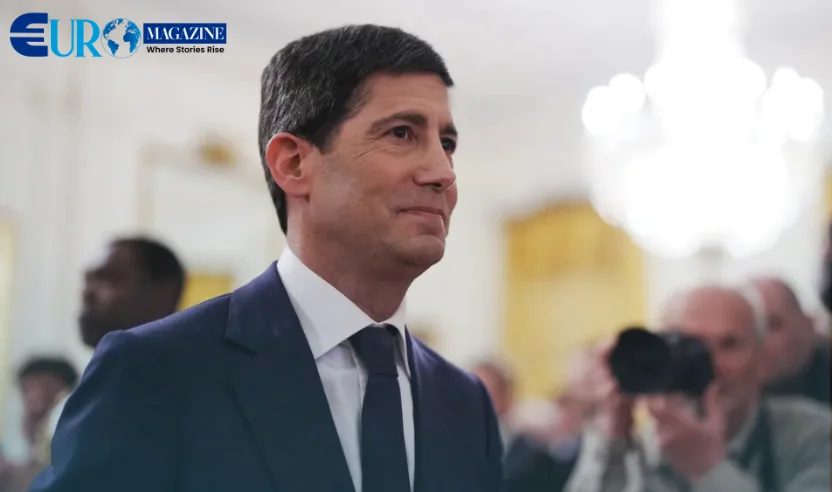
The US Federal Reserve left interest rates unchanged on Wednesday at its first monetary policy meeting under newly appointed Chair Kevin Warsh, while signalling that additional rate increases remain possible later this year as inflation continues to run above the central bank's target.
The decision keeps the Federal Reserve's benchmark interest rate at approximately 3.6%, extending a pause in policy adjustments as officials assess the outlook for inflation, economic growth, and labour market conditions.
However, updated projections released following the meeting revealed a significant shift in policymakers' expectations, with nearly half of Federal Open Market Committee (FOMC) members indicating support for at least one interest-rate increase before the end of 2026.
Fed Removes Signals of Future Rate Cuts
In a notable departure from previous guidance, the central bank removed language from its policy statement that had suggested the next move in interest rates would likely be a reduction.
Nine Fed officials now expect at least one rate hike this year, while six policymakers projected two or more increases. By comparison, projections released in March showed no officials anticipating a rate increase and policymakers generally expecting a rate cut in 2026.
Another eight officials forecast no change in rates this year, while only one projected a reduction.
Warsh did not submit an individual interest-rate forecast but said he encouraged other policymakers to provide their projections as part of the central bank's transparency efforts.
Inflation Remains Primary Concern
The Federal Reserve's more hawkish outlook reflects growing concerns about persistent inflationary pressures across the US economy.
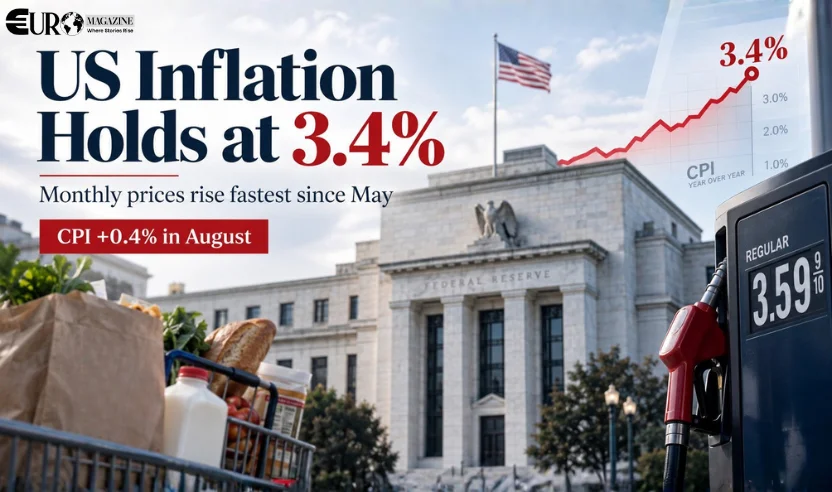
Inflation currently stands at 4.2%, its highest level in three years and well above the Fed's long-standing target of 2%.
Speaking after the policy announcement, Warsh emphasized the central bank's commitment to restoring price stability.
"We've missed on inflation for five years, and we're going to fix that," he told reporters during his first post-meeting press conference as Fed chair.
The central bank's leadership believes inflation risks remain elevated despite recent progress in certain areas of the economy.
New Fed Chair Launches Policy Review
Warsh also announced the creation of five internal task forces aimed at reviewing how the Federal Reserve communicates policy decisions, evaluates economic data, and develops inflation forecasting frameworks.
The initiative is intended to modernize the institution's approach to monetary policy and improve public understanding of the Fed's decision-making process.
Analysts noted that Wednesday's unusually brief policy statement may reflect Warsh's preference for a more streamlined communication strategy, a position he has advocated throughout his career.
Strong Labour Market Reduces Pressure for Cuts
The Federal Reserve's cautious stance has been reinforced by continued resilience in the US labour market.
Recent government data showed employers added 172,000 jobs in May, marking the third consecutive month of solid employment growth and easing concerns about a significant economic slowdown.
A stronger labour market reduces the urgency for interest-rate cuts, which are typically used to stimulate economic activity during periods of weaker growth.
Consumer spending has also remained relatively resilient despite elevated borrowing costs and ongoing inflationary pressures.
Markets React to Hawkish Outlook
Financial markets reacted negatively to the Federal Reserve's updated projections, with investors reassessing expectations for monetary policy over the remainder of the year.
The S&P 500 declined 1.4% following the announcement as traders responded to the increased likelihood of future rate hikes.
Investors had previously expected the Fed to begin lowering borrowing costs later in 2026, but the latest projections suggest policymakers remain focused on containing inflation before considering any easing measures.
Outlook for the Remainder of 2026
Economists believe future policy decisions will largely depend on incoming inflation and employment data.
While easing geopolitical tensions and declining energy prices could help moderate inflation in the coming months, Federal Reserve officials remain cautious about declaring victory over rising prices.
The central bank's next meetings are expected to be closely watched by investors, businesses, and policymakers as they assess whether inflation continues to ease or whether additional tightening measures become necessary.
For now, the Federal Reserve has chosen to remain on hold, but Wednesday's projections indicate that policymakers are prepared to raise rates again if inflation fails to move closer to target levels.
























Comments
Be the first to share your thoughts.
Leave a comment
Join the conversation. Your email address will not be published.