

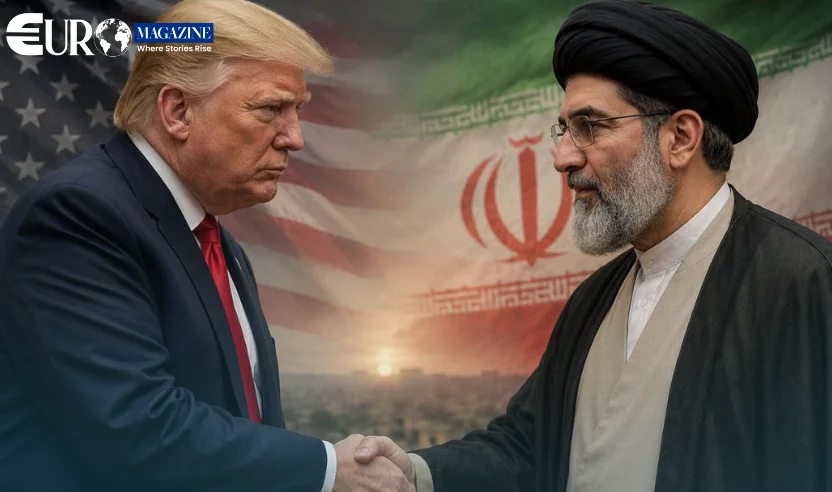
The United States and Iran have reached a historic peace agreement aimed at ending nearly four months of military conflict, marking a significant diplomatic breakthrough that could reshape the geopolitical landscape of the Middle East and ease mounting pressure on the global economy.
The agreement, announced on Sunday following weeks of intensive negotiations, calls for the immediate and permanent cessation of military operations by both nations across all fronts. A formal signing ceremony is scheduled to take place in Switzerland on June 19.
Pakistan, which played a key role in facilitating discussions between Washington and Tehran, confirmed that both sides had finalized the framework of the agreement after extensive diplomatic engagement.
Key Provisions of the Agreement
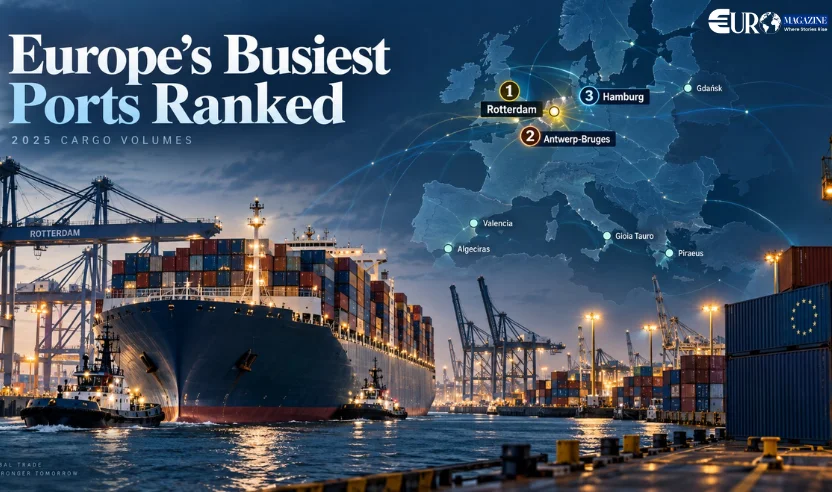
Among the most significant elements of the deal is the reopening of the Strait of Hormuz, one of the world's most strategically important maritime corridors. The waterway serves as a critical route for global oil and energy shipments and has faced severe disruptions since the conflict began earlier this year.
The agreement also includes the removal of naval restrictions that had limited maritime access in the region, allowing commercial shipping and energy exports to resume under normal conditions.
Officials involved in the negotiations stated that the arrangement is designed to restore regional stability while creating conditions for broader diplomatic discussions in the months ahead.
Leaders Confirm Breakthrough
U.S. President Donald Trump confirmed the agreement shortly after the announcement, describing the deal as a major step toward peace and economic recovery. He stated that the reopening of the Strait of Hormuz would help restore energy flows and improve global market stability.
Iranian authorities also acknowledged the agreement, confirming that military operations would cease immediately. However, Tehran emphasized that further negotiations on long-term issues would depend on the implementation of commitments outlined in the initial memorandum of understanding.
While both governments presented the agreement as a diplomatic victory, officials on each side maintained differing narratives regarding the negotiations and the concessions made during the process.
Global Leaders Welcome the Deal
The agreement was welcomed by governments across Europe and the Gulf region, with several countries describing it as a critical step toward restoring stability in one of the world's most volatile regions.
Regional leaders highlighted the importance of ensuring freedom of navigation through international shipping routes and expressed optimism that the agreement could help reduce geopolitical tensions while supporting economic growth.
European nations also signaled their willingness to engage in future diplomatic efforts focused on regional security and nuclear oversight, emphasizing the importance of preventing further escalation.
Economic Impact Expected Worldwide
Financial markets responded positively to news of the agreement, with investors anticipating improved energy supplies and reduced geopolitical risk.
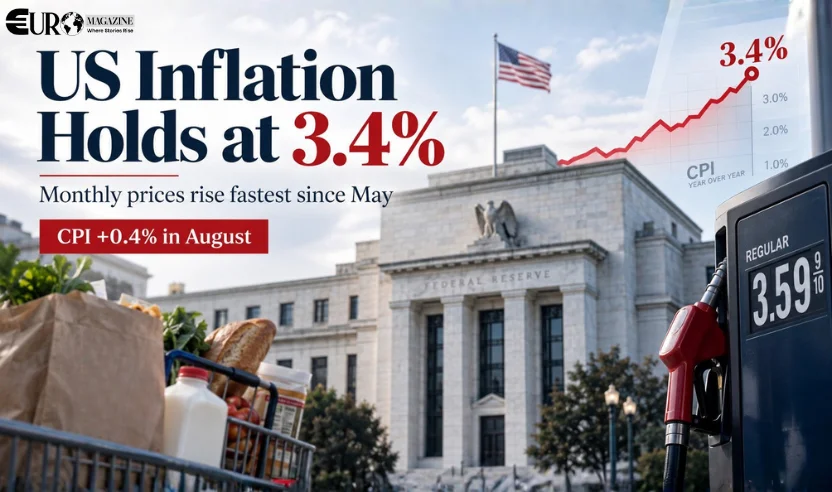
The conflict had significantly disrupted global trade flows, contributing to higher energy costs, supply chain pressures, and rising inflation in several major economies. Analysts believe the reopening of key shipping routes could help stabilize commodity prices and ease inflationary concerns in the months ahead.
The prospect of increased oil exports from the region has already influenced energy markets, with crude oil prices falling as traders adjusted expectations for future supply.
Economists also suggest that reduced geopolitical uncertainty may improve business confidence and support global economic growth at a time when many central banks are closely monitoring inflation trends.
Challenges Remain Ahead
Despite the breakthrough, observers caution that the agreement represents only the first step in a longer diplomatic process. Several complex issues, including regional security arrangements and broader strategic disputes, remain unresolved.
The peace framework will now move into an implementation phase, where both sides will be expected to honor commitments outlined in the agreement before negotiations advance toward a more comprehensive settlement.
Nevertheless, the announcement marks one of the most significant diplomatic developments of the year and offers renewed hope for stability in the Middle East after months of conflict and uncertainty.
As world leaders, investors, and citizens await the formal signing ceremony later this week, the agreement is already being viewed as a potential turning point for regional peace, global energy markets, and international diplomacy.