
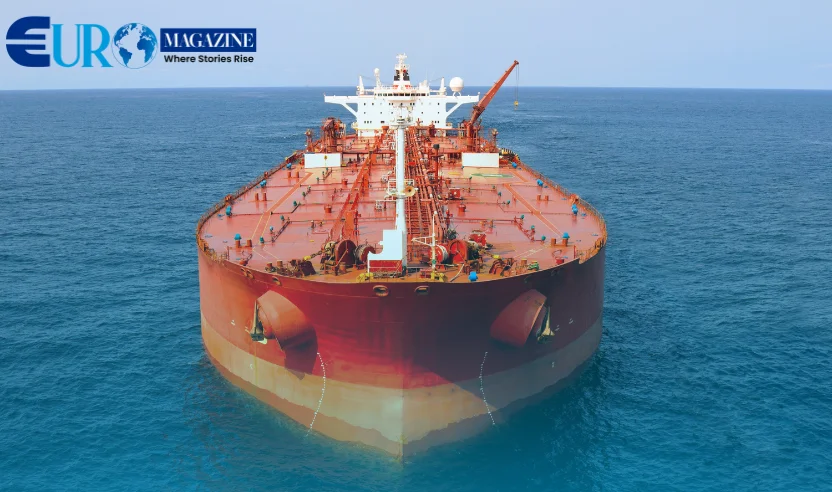
The decision by Donald Trump to deploy U.S. naval forces to intercept sanctioned Venezuelan oil tankers is testing the legal boundaries of sanctions enforcement and fuelling concerns in Washington about the risk of military escalation without congressional approval.
The Trump administration says the move is narrowly targeted at oil shipments linked to Venezuela’s government and does not constitute an act of war. However, legal scholars and some lawmakers warn that intercepting tankers at sea could provoke retaliation from Venezuela and draw the United States into a broader conflict.
“This is exactly how wars start and how conflicts spiral out of control,” said Representative Jason Crow, a Colorado Democrat and former Army officer, who criticised the lack of consultation with Congress.
The blockade targets oil exports tied to President Nicolás Maduro, whose government has long been under U.S. sanctions over corruption, drug trafficking, and anti-democratic actions. The United States has already seized at least one sanctioned tanker off Venezuela’s coast in recent days.
While Trump has described the move as a “blockade,” defence officials have avoided the term. The Pentagon prefers to call the action a “quarantine,” arguing that a formal blockade under international law would constitute an act of war requiring broad enforcement against all maritime traffic.
Legal experts remain divided. Some say the U.S. may lawfully board and seize sanctioned or stateless vessels, but warn that a broader blockade crosses into wartime legal territory. “A blockade is a classic naval operation designed for armed conflict,” said Mark Nevitt, a former Navy judge advocate and law professor.
Republicans have largely backed the administration’s approach, comparing it to past efforts to intercept Iranian oil shipments. Democrats, however, have raised concerns about executive overreach and the absence of congressional authorisation, particularly as U.S. forces have already carried out dozens of strikes against alleged drug-smuggling boats in the region.
Venezuela, which relies heavily on oil revenue and holds the world’s largest proven reserves, has condemned the move. Maduro’s government warned that the action threatens regional stability and pledged to mitigate the economic impact with help from the private sector.
For now, it remains unclear how far the U.S. will go in enforcing the tanker interceptions. But analysts warn that pushing sanctions enforcement into naval operations risks blurring the line between economic pressure and armed conflict, a line international law has historically treated with caution.