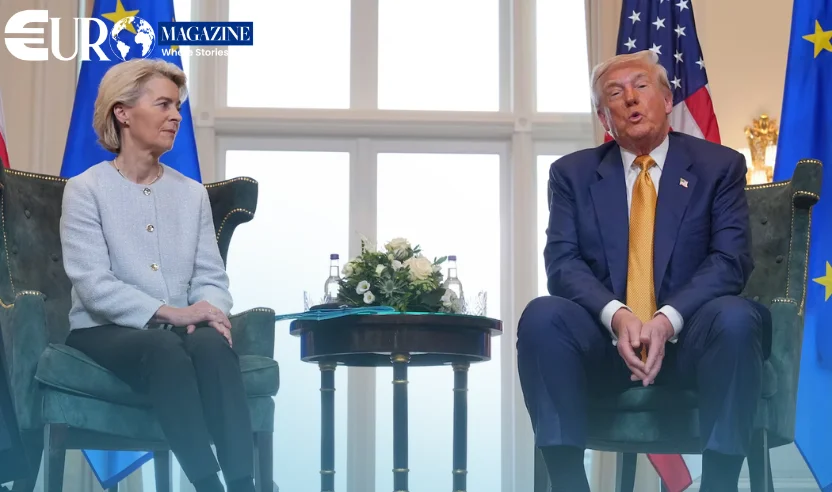

Washington: US President Donald Trump announced a new 10% global tariff on imports shortly after the US Supreme Court ruled that his earlier sweeping tariffs exceeded presidential authority.
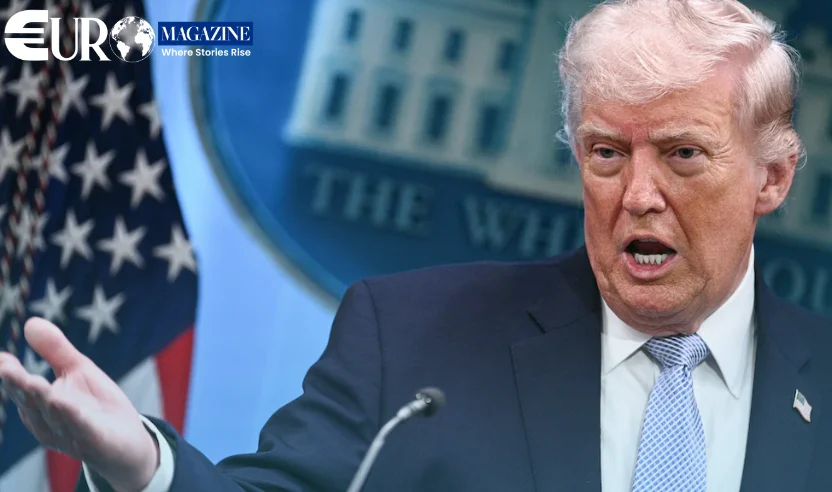
Speaking at the White House on Friday, Trump said he would sign an order imposing a 10% global tariff under Section 122 of the Trade Act of 1974. The new tariff will be added to existing duties already in place.
The Supreme Court ruled 6–3 that the broad tariffs Trump imposed under the International Emergency Economic Powers Act (IEEPA) were not legally valid. The court said the US Constitution gives Congress, not the president, the power to impose taxes, including tariffs.
Chief Justice John Roberts wrote in the majority opinion that the Constitution clearly assigns taxing authority to Congress.
Trump Vows to Continue Tariff Policy
Despite the ruling, Trump said he would move forward using other legal tools available to the executive branch.
“The decision only overruled one particular use of IEEPA,” Trump said, adding that other tariff laws remain available.
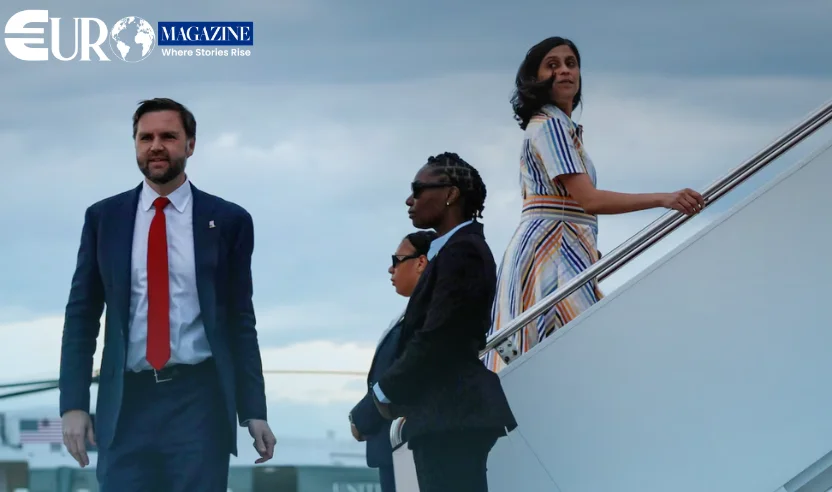
Vice President JD Vance criticized the court’s decision in a post on social media, saying Congress had granted the president authority to regulate imports.
Trump also confirmed that existing national security tariffs under Section 232 and current Section 301 tariffs would remain in place.
What Legal Options Remain?
The administration is now expected to rely mainly on Section 301 and Section 122 of the Trade Act of 1974.
Section 301 allows the US government to investigate unfair trade practices by foreign countries and impose retaliatory tariffs. However, investigations can take up to 12 months before action is taken.
Section 122 allows the president to impose temporary import surcharges of up to 15% for a maximum of 150 days. No investigation is required, but Congress must approve any extension beyond that period.
US Treasury Secretary Scott Bessent had previously acknowledged that these alternatives are not as powerful or as flexible as the emergency powers law that was struck down.
Legal Challenges Continue
The Supreme Court case followed lawsuits filed by several US states and businesses that argued the emergency law did not authorize tariffs.
Trump criticized those who brought the lawsuits and said he would continue pursuing tariff policies through other legal methods.
Some tariffs remain in effect, while others may be replaced with new duties under different legal authorities.
The ruling marks a significant moment in the ongoing debate between Congress and the executive branch over trade powers.