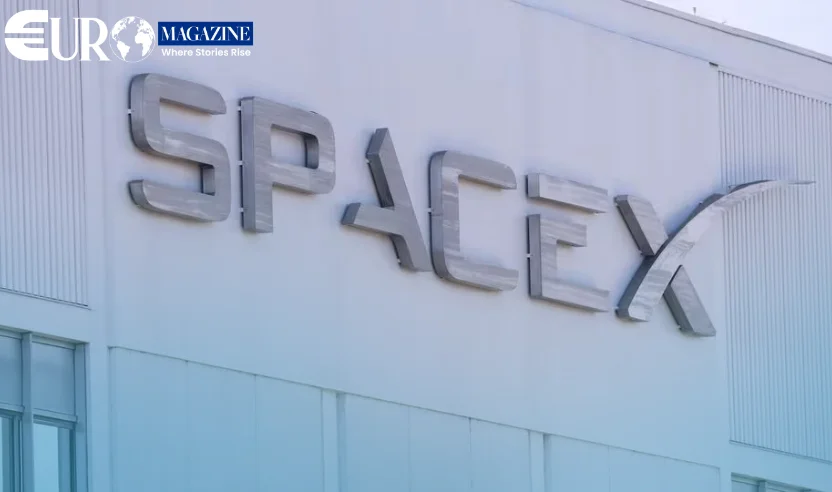

SpaceX has reached a valuation of €1.06 trillion ($1.25 trillion) following its merger with artificial intelligence company xAI, marking a major shift in the balance of power within Elon Musk’s business empire.
The combined valuation brings SpaceX closer to Tesla, which currently has a market capitalisation of approximately €1.34 trillion ($1.58 trillion). Tesla’s value is now only around 26 percent higher than SpaceX’s latest private valuation.
Following the merger, Musk now derives a larger share of his personal wealth from SpaceX than from Tesla, reflecting his growing focus on space and artificial intelligence.
Tesla’s performance has weakened at the start of 2026. The company’s shares are down about six percent this year after reporting a 16 percent decline in vehicle deliveries in early January and a three percent drop in total revenue for 2025, its first annual revenue decline on record.
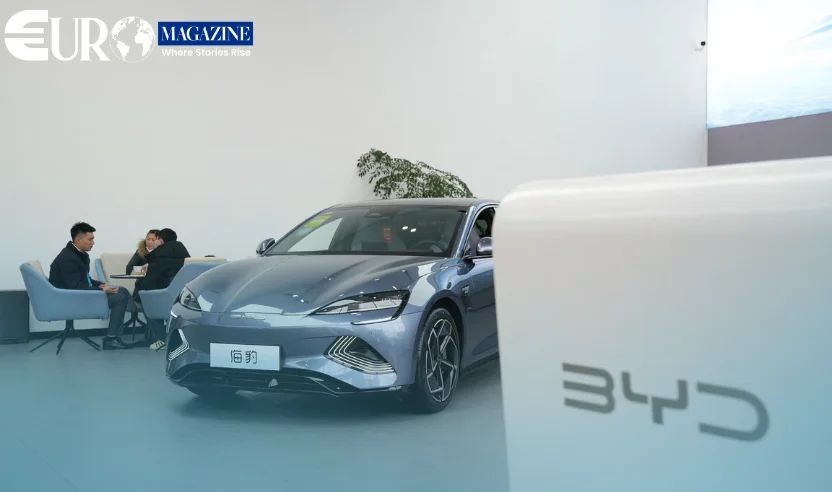
The electric vehicle maker has faced increased competition in China and Europe, alongside the expiration of a US federal tax credit for electric vehicles. Musk’s political activities, including ties to the Trump administration and support for far-right figures in Europe, have also weighed on Tesla’s brand perception.
As electric vehicle demand softens, Musk has shifted Tesla’s strategic focus toward robotaxi services and its Optimus humanoid robots. Last week, he told analysts that Tesla would end production of the Model S and Model X, which accounted for less than three percent of vehicle deliveries in 2025, and redirect those production lines toward Optimus.
By contrast, SpaceX continues to dominate its core markets. The company is the leading global provider of orbital launch services, supported by multi-billion-dollar contracts with NASA and the US Department of Defense.
SpaceX also operates the Starlink satellite internet network, which has more than 9,000 satellites in orbit and around nine million customers worldwide.
Under the merger terms announced this week, SpaceX is valued at $1 trillion (€847 billion), while xAI is valued at $250 billion (€212 billion). The deal follows a transaction last year in which xAI acquired social media platform X in a stock-based deal.
Musk has said the SpaceX-xAI merger is intended to support the long-term development of data centres in space, a concept he believes could help overcome energy constraints on Earth. Analysts caution, however, that such plans face significant technical, financial and supply-chain challenges, making large-scale deployment unlikely in the near term.
The merger also introduces new risks. SpaceX profits could be redirected to fund xAI’s infrastructure expansion, while xAI faces growing regulatory scrutiny in several markets.
Authorities in Europe, India, Malaysia and the United States have launched investigations into xAI’s Grok image generator following allegations that it was used to produce explicit deepfake images. French investigators have also carried out raids at X’s offices as part of a probe into alleged algorithmic abuse.
Legal experts warn that regulatory pressure on xAI and X could spill over into SpaceX, particularly given the international nature of Starlink’s operations. While SpaceX remains privately held, such risks may be easier to manage, but a future public listing could raise tougher questions for investors about governance, regulation and valuation sustainability.