
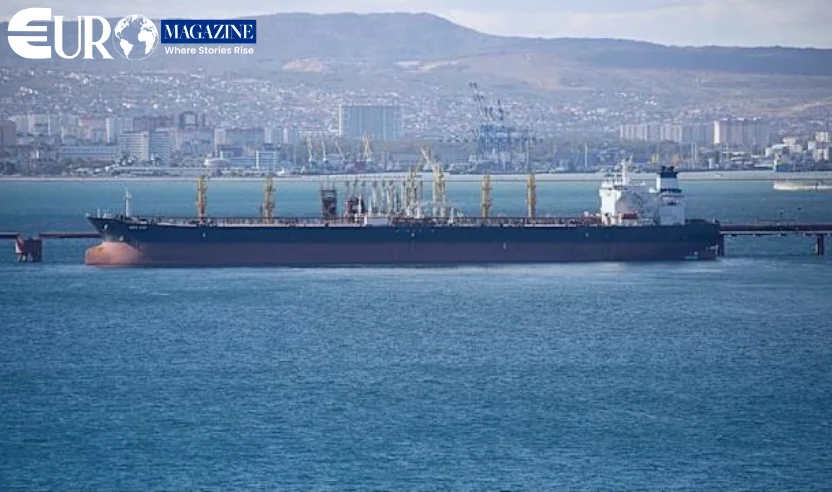
Moscow: Russia’s oil and gas revenues have dropped to their lowest levels in years as new Western sanctions and trade restrictions begin to bite, forcing the Kremlin to raise taxes and increase borrowing to stabilise state finances.
Oil and gas exports have long supported Russia’s budget during its war in Ukraine. However, as the fourth anniversary of the full-scale invasion approaches, revenue from the sector has declined sharply.
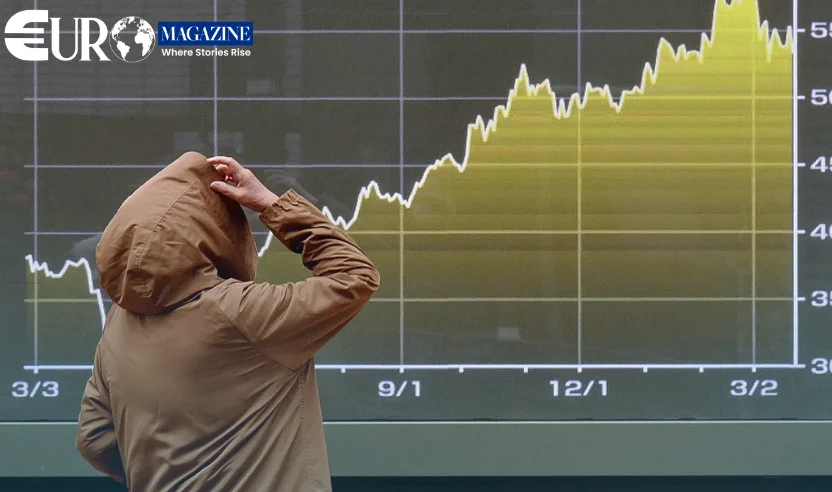
In January, state income from oil and gas taxes fell to 393 billion rubles (€4.27 billion), down from 587 billion rubles in December and 1.12 trillion rubles in January 2025, according to official data. It marks the lowest level since the COVID-19 pandemic.
Janis Kluge, an expert on the Russian economy at the German Institute for International and Security Affairs, said the drop reflects mounting pressure from sanctions and weaker economic growth.
Sanctions intensify pressure
The revenue decline follows new measures imposed by the United States and the European Union.
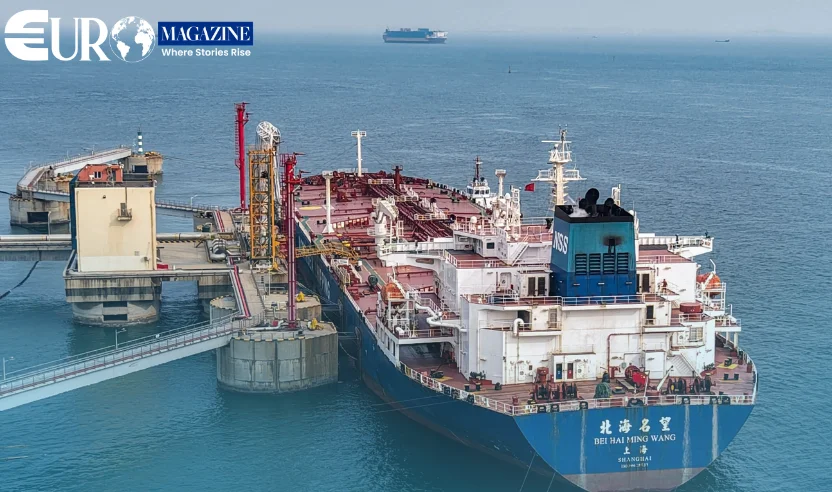
In November, the US imposed sanctions on Russia’s two largest oil producers, Rosneft and Lukoil, warning buyers and shippers they risk exclusion from the US banking system.
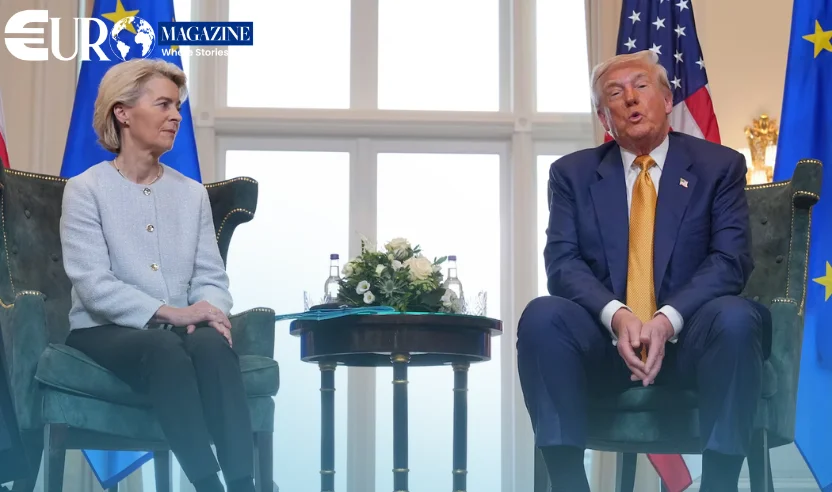
In January, the EU expanded restrictions by banning fuel refined from Russian crude, preventing it from entering European markets indirectly. EU Commission President Ursula von der Leyen has also proposed a full ban on shipping services linked to Russian oil.
The measures go beyond the earlier G7 price cap of $60 per barrel, which aimed to limit profits rather than halt exports outright.
India imports decline
Pressure has also increased on India, one of Russia’s largest oil buyers. Russian crude shipments to India fell from 2 million barrels per day in October to 1.3 million barrels per day in December, according to international energy data.
India has not confirmed any policy shift, stating it continues to diversify energy sourcing based on market conditions.
Oil sold at heavy discounts
Russian oil is now trading at steep discounts as buyers demand compensation for sanction risks. In December, the discount widened to about $25 per barrel, with Russia’s Urals crude falling below $38 per barrel, compared with more than $62 for Brent crude.
Lower prices directly reduce tax income, as Russia’s oil taxes are linked to export prices.
Growth slows as budget strain grows
Russia’s broader economy is also slowing. Gross domestic product rose just 0.1% in the third quarter, with growth forecasts for 2026 ranging between 0.6% and 0.9%, down sharply from over 4% in previous years.
Analysts say slowing growth, combined with falling oil revenues, is increasing strain on the federal budget as war-related spending remains high.
Kremlin raises taxes and borrows
To cover the shortfall, the government has raised value-added tax to 22%, increased levies on cars, alcohol and cigarettes, and expanded borrowing from domestic banks.
Russia’s national wealth fund still holds reserves to support spending, but economists warn that higher taxes could further slow growth, while borrowing risks reigniting inflation.
President Vladimir Putin has not indicated any shift in war strategy, but analysts say prolonged financial pressure could affect how long Russia can sustain current spending levels.