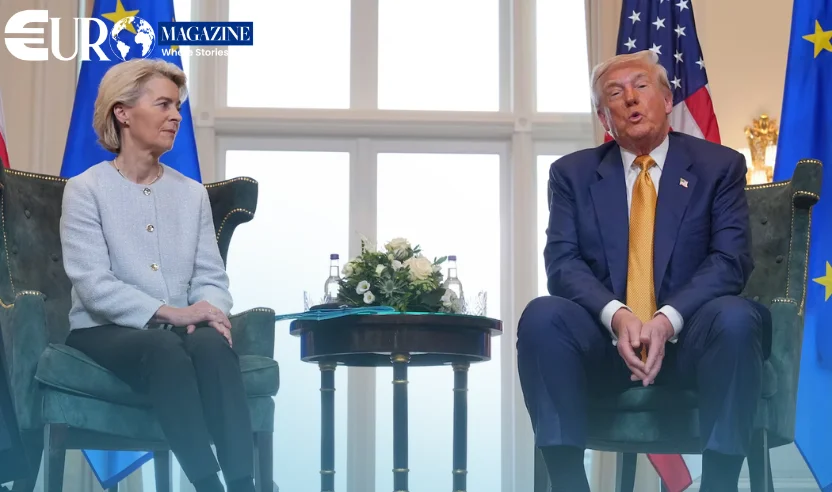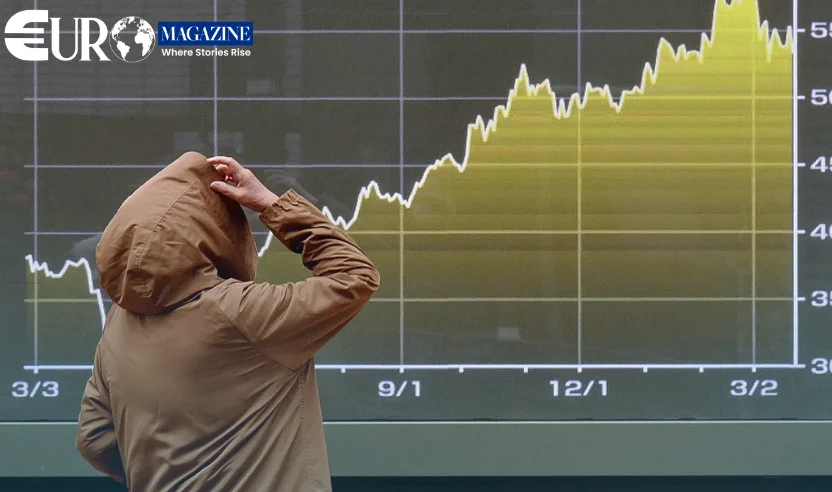

Global metals markets slid Friday as investors reacted to reports that U.S. President Donald Trump may roll back some tariffs on aluminium and other metal goods, prompting a pullback across key industrial commodities. The news intensified uncertainty about future trade policy ahead of the November midterm elections and weighed on prices across multiple exchanges.
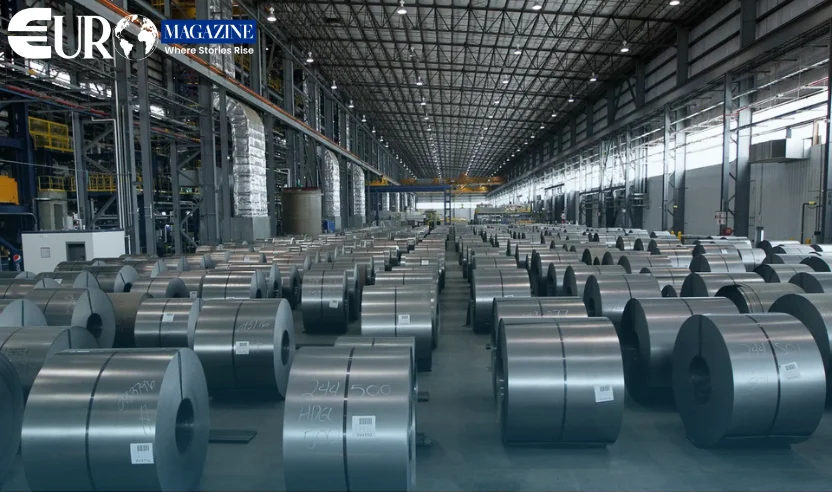
On the London Metal Exchange, the benchmark three-month aluminium contract dropped more than 2.5%, slipping below the $3,000-a-tonne mark around midday. Prices were also lower on the Shanghai Futures Exchange, where the most-active contract fell approximately 1.7%, reflecting broad weakness in the industrial metals complex.
Other core metals experienced similar declines during morning trade. Zinc prices retreated, while nickel and lead also posted losses as markets digested the potential policy shift. The selloff reflects heightened investor sensitivity to shifts in U.S. trade policy as well as broader risk-off sentiment in global commodities.
Reports of Possible Tariff Easing
The price movements came after reports from international media that the Trump administration is considering scaling back parts of its metals tariff structure, particularly duties on certain aluminium and steel products. These levies, originally imposed at rates as high as 50%, have been a central feature of U.S. protectionist trade policy and have stirred ongoing debate among industry groups, economists and trading partners.
Officials within the U.S. government have been reviewing the extensive list of goods covered by the tariffs, with some voices in Washington suggesting that a targeted easing could help relieve cost pressures on U.S. consumers and manufacturers. The potential adjustment reportedly focuses on downstream products used in everyday items, amid concerns that high input costs are contributing to inflationary pressures.
However, White House officials have publicly stated that no tariff changes will take effect unless formally announced by the president, pushing back against speculative media reports. They emphasised that any final decision on tariff policy remains at the administration’s discretion and is aimed at balancing economic security with domestic industry interests.
Market and Policy Implications
Metals tariffs have long been a political mechanism for addressing trade imbalances and protecting U.S. producers, but they have also drawn criticism from sectors affected by higher material costs. A possible softening of tariffs is seen by some analysts as a bid to address voter dissatisfaction over rising prices ahead of critical midterm elections later this year.
Aluminium is integral to industries spanning packaging, transport and manufacturing, and shifts in tariff policy can quickly influence expectations for input costs. Even modest daily price movements can have ripple effects across global supply chains and investor sentiment.
As markets await further clarity on U.S. trade strategy, metals prices are likely to remain sensitive to political developments and economic data, reinforcing the tight link between policy decisions and commodity markets.