

Italy has emerged as a pivotal player in the fate of the long-delayed EU–Mercosur trade agreement, as divisions among member states leave Rome’s position potentially decisive ahead of an expected signature later this month.
European Commission President Ursula von der Leyen is due to travel to Brazil on December 20 to finalise the agreement with Mercosur countries, Argentina, Brazil, Paraguay and Uruguay, which would create a free-trade area covering nearly 700 million people. However, opposition from several EU countries has raised doubts over whether the deal can secure the backing required for ratification.
France, under pressure from farmers concerned about competition from Latin American agricultural imports, is leading resistance to the agreement and has called for a postponement of the member states’ vote scheduled for this week. Hungary, Poland and Austria have also expressed opposition. Belgium has indicated it will abstain, while Ireland and the Netherlands have yet to formally state their position.
Under EU rules, the deal requires a qualified majority, while a blocking minority of at least four countries representing 35 per cent of the EU population could prevent its approval. With France already opposed, Italy’s stance has taken on outsized importance.
Diplomatic sources say Rome’s prolonged silence has placed it firmly in the spotlight. One diplomat told Euronews that Italy’s position leaves it exposed, but potentially well placed to seek concessions if it chooses to play a mediating role.
Italy remains internally divided. The country’s largest farmers’ association, Coldiretti, continues to oppose the agreement, warning that safeguards proposed by the European Commission would be too slow to protect EU markets in the event of a surge in Mercosur imports.
The Commission has proposed a monitoring mechanism designed to respond to market disruptions, a measure that will be put to a vote by EU lawmakers at a plenary session in Strasbourg on Tuesday.
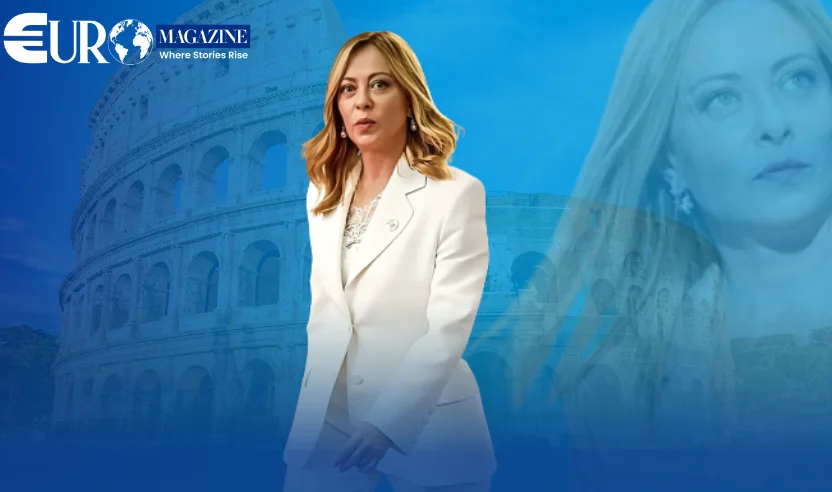
At the same time, Italy is the EU’s second-largest exporter to Mercosur countries, placing Prime Minister Giorgia Meloni under pressure from industrial groups, including Confindustria, which see the agreement as an opportunity to expand exports amid slowing global trade.
Agriculture Minister Francesco Lollobrigida acknowledged the trade-offs during a recent visit to Brussels, saying that several industrial sectors and parts of Italian agriculture, including wine and cheese producers, would benefit from the deal, while other sectors could face losses.
Italy’s government has so far refrained from taking a definitive position. Lollobrigida said Rome has sought since 2024 to balance competing interests while maintaining strategic ambiguity over its stance.
Supporters of the agreement see Italy as a potential kingmaker, particularly as the EU seeks to secure new trade partnerships amid rising protectionism in the United States and China. A senior EU diplomat from a pro-deal country said efforts are underway to ensure the conditions are in place for von der Leyen’s planned visit to Brazil.
However, uncertainty remains high. Diplomats say there is reluctance to schedule a vote that could fail, and Italy’s continued silence is unsettling supporters of the deal. One diplomat familiar with the negotiations said the situation remains difficult, with no clear outcome in sight.