
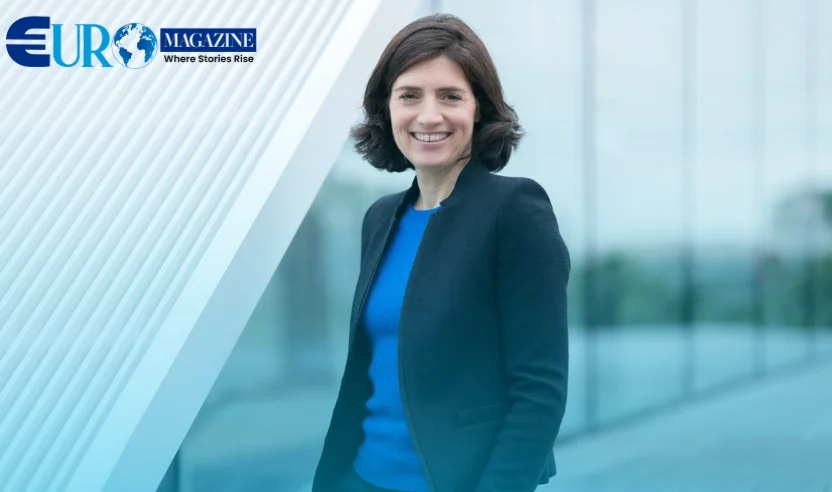
Brussels: Europe’s telecom companies need consolidation to remain competitive and continue investing, according to Orange chief executive Christel Heydemann.
Speaking on Euronews’ The Big Question, Heydemann said keeping consumer prices low can no longer be the sole focus if telecom firms are expected to invest in fast-moving technologies.
“We’ve probably reached the limit of just looking at prices for consumers,” she said, adding that companies must have the financial capacity to invest as demand for connectivity grows.
Her comments come amid debate over potential consolidation in the French telecom market. In October, Orange joined Bouygues and Free in a joint bid for rival operator SFR. The proposal was rejected by SFR owner Altice France, though discussions on a revised offer are continuing.
Heydemann said speed is critical in such transactions, noting that lengthy negotiations and regulatory processes can slow investment decisions. She added that competition authority approvals are often “too long and too detailed”.
The discussion takes place as the European Union pushes for greater consolidation across the telecom sector. The 2024 Draghi report cited market fragmentation as a key reason Europe lags behind the United States and China, where fewer operators control larger markets.
Europe’s telecom market remains highly fragmented, with many smaller players. Analysts say this makes it harder for firms to generate profits at scale and invest in infrastructure such as 5G and fibre networks.
Heydemann said network traffic continues to rise by 10 to 30 per cent each year, driven by video consumption, artificial intelligence and increased digital activity. She also pointed to growing challenges from cyber threats and extreme weather events.
To address these issues, the European Commission is preparing an overhaul of telecom rules under the proposed Digital Networks Act, now expected in January. While Orange supports regulatory reform, some EU member states have raised concerns about increased consolidation and its impact on competition and consumer prices.
Heydemann said regulatory modernisation is necessary but acknowledged that market conditions vary across Europe.