
The European Union is prepared to move ahead with tougher sanctions on Russia even if G7 partners fail to reach a coordinated agreement, European Economy Commissioner Valdis Dombrovskis said on Tuesday, as negotiations intensify over a 20th package of measures against the Kremlin.
Brussels aims to approve the new sanctions by February 24, marking the fourth anniversary of Russia’s full-scale invasion of Ukraine.
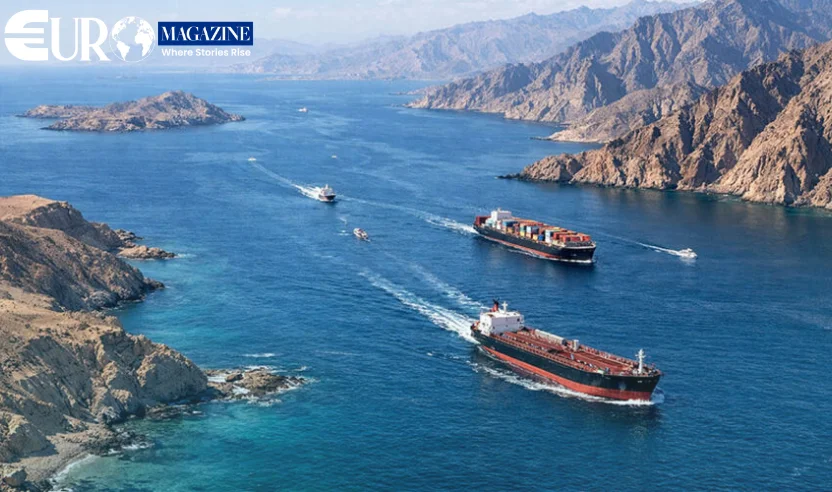
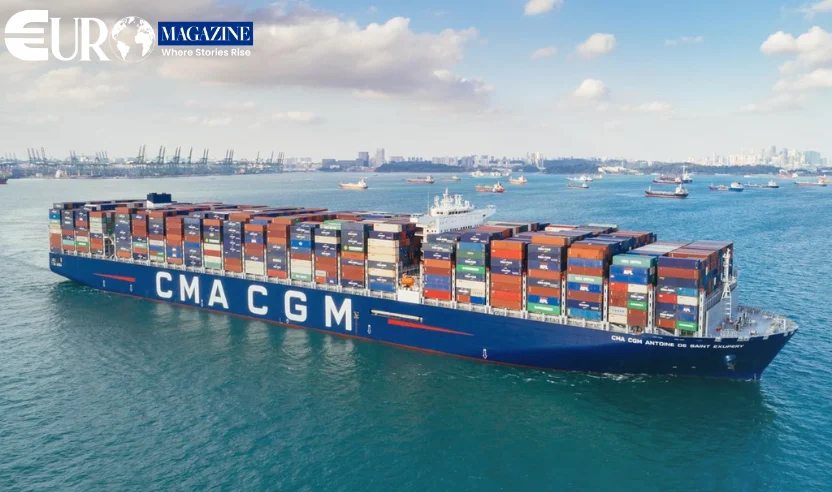
At the centre of the proposed package is a full ban on maritime services for Russian oil tankers. If adopted, EU-based companies would be prohibited from servicing Russian vessels regardless of the price at which the oil is sold, effectively ending the EU’s participation in the G7 oil price cap regime introduced in December 2022.
“We have been presenting the outline of the measures to be taken to our G7 partners because obviously it’s best if we take steps in a coordinated manner,” Dombrovskis said after a meeting of finance ministers in Brussels. “In a sense, it’s not an absolute precondition. But the higher alignment we can achieve, including at the G7 level, the better. We will not shy away also to take steps at the EU level should the broader agreement not be forthcoming.”
Shift in Tone
The remarks signal a shift in tone from the European Commission. Earlier this month, officials indicated the EU would proceed with the maritime services ban only after a joint G7 decision.
The oil price cap, last adjusted to $44.10 per barrel, was designed to limit Moscow’s energy revenues while allowing global oil flows to continue. A unilateral EU withdrawal from the mechanism could mark a new phase in sanctions enforcement.
It remains unclear whether all G7 members are prepared to mirror the EU’s proposed escalation. The United Kingdom and Canada said discussions were ongoing, while other partners have not publicly confirmed their stance.
Swedish Finance Minister Elisabeth Svantesson indicated that broader coordination would be preferable but not decisive.
“Of course, the more we are, the better it is,” she said.
Greek Concerns
Diplomats say Greece, home to one of the world’s largest shipping industries, has expressed reservations about the full maritime ban. Athens is concerned that stricter EU restrictions could expand the role of Russia’s so-called “shadow fleet” and increase competition from shipping operators in India and China.
There are also concerns that vessels could leave EU registries in a practice known as “deflagging,” potentially weakening oversight.
Negotiations among EU ambassadors are expected to continue throughout the week. While Brussels hopes to meet the February 24 deadline, diplomats caution that talks could extend if consensus proves difficult.
Anti-Circumvention Tool in Focus
Another key element of the 20th sanctions package is the proposed activation of the EU’s Anti-Circumvention Tool for the first time.
The mechanism would restrict exports of sensitive goods, including computer numerical control machines and certain radio technologies, to countries where there is a high risk of re-export to Russia.
Attention has centred on Kyrgyzstan, a Central Asian country that shares a customs union with Russia. EU exports to Kyrgyzstan rose sharply following the invasion. In 2021, the bloc exported €263 million in goods to the country; by 2024, that figure had climbed to €2.5 billion, with machinery and transport equipment accounting for more than half.
EU officials suspect some of these goods may ultimately be redirected to Russia.
Activating the Anti-Circumvention Tool would require unanimous approval from all 27 EU member states. A similar proposal last year failed to secure consensus.
David O’Sullivan, the EU’s sanctions envoy, has held consultations with member states and is expected to travel to Kyrgyzstan in the coming days to discuss the matter directly with local authorities.
Pressure Ahead of Anniversary
The push for additional sanctions comes amid ongoing diplomatic discussions involving Ukrainian, Russian and American officials. Many European leaders remain sceptical about Moscow’s willingness to make concessions, arguing that sustained economic pressure remains necessary.
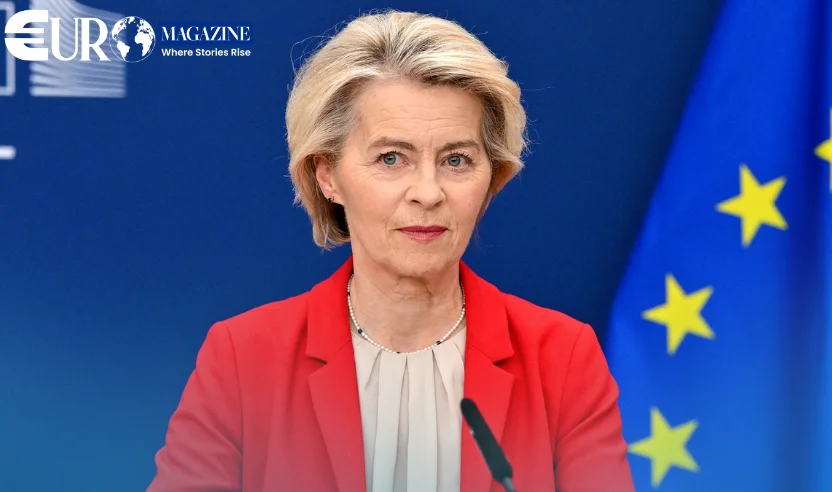
European Commission President Ursula von der Leyen and European Council President António Costa are scheduled to travel to Ukraine on February 24 in a show of solidarity.
Ukrainian President Volodymyr Zelenskyy has again urged European governments to target Russia’s nuclear energy sector, which has so far remained largely untouched due to resistance from some Eastern member states reliant on Russian nuclear fuel.
As the anniversary approaches, the debate underscores the EU’s balancing act between maintaining unity among member states and increasing economic pressure on Moscow.