
The European Union is consulting its G7 partners on the future of the price cap on Russian oil before unveiling a new round of sanctions against Russia, officials and diplomats said.
The discussions come as the European Commission prepares its 20th sanctions package since the start of the war in Ukraine. A briefing to EU ambassadors, initially scheduled for Friday, has been tentatively postponed to early next week.
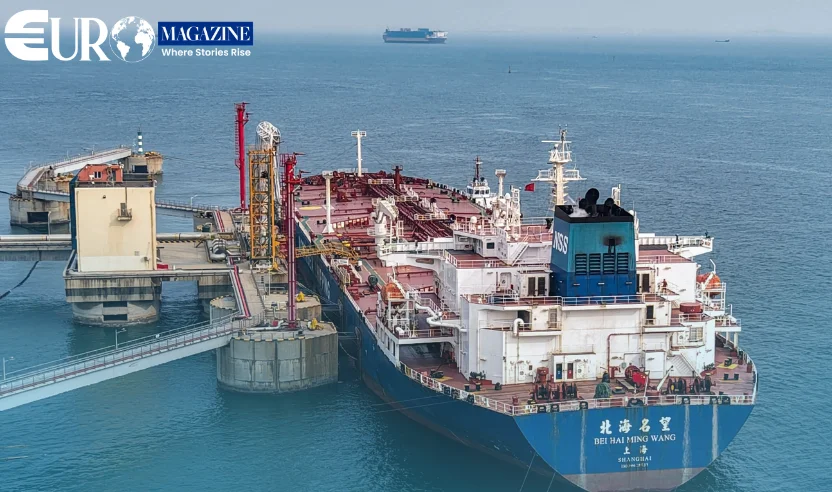
Among the proposals under consideration is a full ban on maritime services linked to Russian oil exports. The measure, publicly backed by Finland and Sweden, would prohibit EU companies from providing insurance, shipping, port access, or related services to vessels carrying Russian crude oil or refined petroleum products.
At present, such services are permitted only for tankers complying with the G7 price cap, which was introduced in December 2022. The cap was recently adjusted to $44.10 per barrel to better reflect market conditions and increase pressure on Russia’s energy revenues. While the EU, the UK, Canada, and Japan follow the revised cap, the United States has maintained the original $60-per-barrel threshold.
If the EU moves forward with a blanket ban on maritime services, the price cap would effectively become irrelevant within EU jurisdiction, as companies would be barred from servicing Russian oil shipments regardless of sale price.
Supporters of the proposal argue that a full ban would raise operational costs for Russia’s oil sector, simplify enforcement for EU businesses, and limit the use of falsified documentation that has enabled sanctions evasion. However, some member states have expressed concern that abandoning the cap could weaken coordination with other G7 partners. Any change would require unanimous approval from all 27 EU countries.
The sanctions debate is unfolding against a complex geopolitical backdrop. The United States has recently sanctioned Russia’s largest oil producers and is engaged in diplomatic efforts aimed at brokering progress between Moscow and Kyiv. While Washington has so far been reluctant to alter the price cap mechanism, US officials have indicated that additional punitive measures remain under consideration.
Beyond maritime services, the upcoming sanctions package is expected to expand restrictions on Russia’s so-called “shadow fleet” and target entities suspected of facilitating access to sanctioned goods. Reports suggest the EU may also consider banning imports of certain Russian metals.
Brussels is aiming to adopt the new sanctions package by 24 February, marking the fourth anniversary of the war in Ukraine, as EU leaders prepare to reaffirm their continued political and economic support for Kyiv.