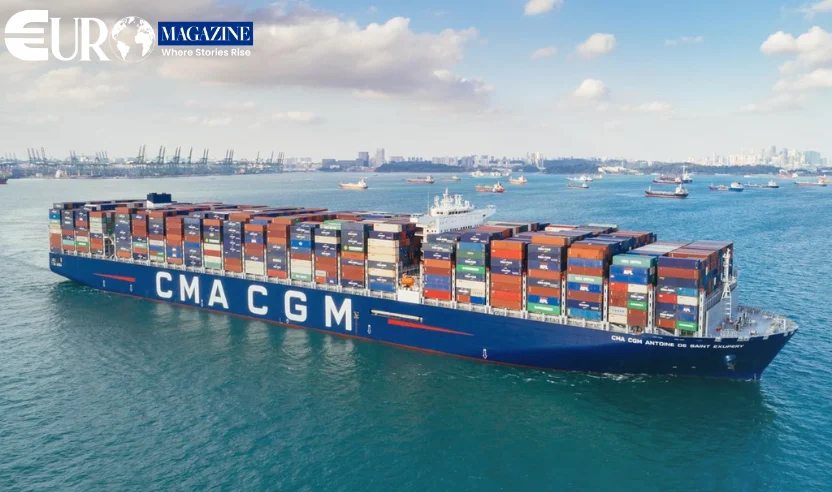

U.S.-based infrastructure investor Stonepeak has agreed to acquire a controlling stake in Castrol, valuing the lubricants business at approximately $10.1 billion (€8.49 billion). The transaction brings together two very different worlds: a century-old industrial brand and a private investment firm typically associated with behind-the-scenes infrastructure assets.
Castrol, best known globally for its engine oils, has long been associated with oil majors, mass-market motorists and industrial machinery. Stonepeak, by contrast, usually invests in assets such as pipelines, ports, toll roads and data centres, businesses that underpin economic activity but rarely face consumers directly.
Structure of the transaction
Under the agreement, Stonepeak will purchase a majority controlling interest in Castrol from BP, which has owned the brand for more than 20 years. BP will retain a 35% minority stake, maintaining exposure to the business.
The deal also includes participation from Canada Pension Plan Investment Board, which will invest up to $1.05 billion (€891 million), giving it an indirect holding in Castrol.
The transaction is expected to close by the end of 2026, subject to regulatory approvals. Completion would also trigger a mandatory tender offer for public shareholders in Castrol India.
A business treated as infrastructure
Castrol is one of the world’s largest lubricant producers, supplying engine oils, industrial fluids and greases in around 150 countries. Its products are used across consumer automotive markets as well as heavy industry, manufacturing, aviation, energy systems and professional motorsport.
In recent years, the company has also positioned itself for growth linked to electric vehicles and data-intensive infrastructure, including data centres, sectors that align closely with infrastructure investment themes.
Stonepeak, which manages roughly $80 billion (€67.9 billion) in assets, said the acquisition reflects its focus on long-term investments in “defensive” businesses that are critical to economic functioning.
“Lubricants are a mission-critical product, essential to the safe and efficient operation of virtually every vehicle, machine and industrial process in the world,” said Anthony Borreca, senior managing director and co-head of energy at Stonepeak.
Why private capital is interested
The deal underscores a growing trend among infrastructure funds and pension-backed investors toward industrial businesses that operate quietly within global supply chains. These companies often attract less political scrutiny than energy producers or utilities, while offering stable demand and long-term cash flows.
Castrol’s extensive operating history has helped it secure a leading market position, according to Stonepeak, which views the brand less as a consumer label and more as an industrial platform embedded across transport, manufacturing and energy systems.
Strategic move for BP
For BP, the transaction allows the company to raise capital while retaining a significant stake in a profitable and strategically relevant business as it continues to reshape its portfolio.
Michelle Jou, Castrol’s global chief executive, said Stonepeak’s capital backing and sector expertise would support the company’s next phase of growth and innovation.
CPP Investments echoed that view, describing Castrol as a high-quality global business positioned to benefit from structural changes in the global energy system, including electrification and digital infrastructure expansion.