

The United States is securing significantly higher prices for Venezuelan crude oil following the seizure of former president Nicolás Maduro, with realized prices now about 30% above levels seen just weeks ago, U.S. Energy Secretary Chris Wright said on Thursday.
Wright’s remarks came as Washington confirmed the completion of its first sale of Venezuelan oil, valued at roughly $500 million. Additional cargoes are expected to be sold in the coming days and weeks, according to a spokesperson for the U.S. Department of Energy.
“We’re getting about a 30% higher realized price when we sell the same barrel of oil than they sold the same barrel of oil three weeks ago,” Wright said at a U.S. Energy Association event, without disclosing specific price levels.
The United States began selling Venezuelan oil earlier this month after U.S. special forces captured Maduro in an operation Washington said was aimed at restoring political stability in the country.
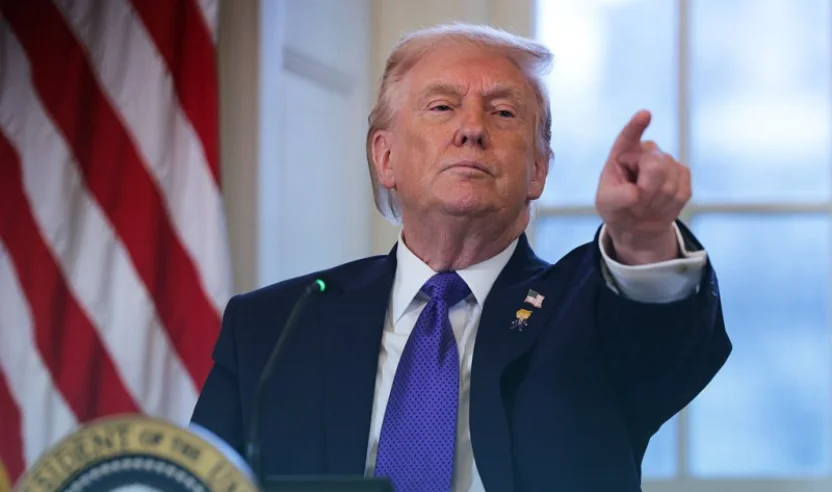
President Donald Trump said last week that Venezuela would hand over between 30 million and 50 million barrels of oil that had previously been subject to U.S. sanctions. Trump said the crude would be sold at prevailing market prices, with proceeds controlled by his administration to ensure funds benefit both Venezuela and the United States.
U.S. officials have indicated the oil sales will continue indefinitely, marking a significant shift in how Washington manages Venezuelan energy assets under its control.
Venezuela holds the world’s largest proven crude reserves, estimated at about 303 billion barrels. However, years of underinvestment, mismanagement and sanctions have sharply reduced production, with output now around 800,000 barrels per day, down from a peak of about 3.5 million barrels per day in the 1990s.
Trump also announced that oil companies would invest at least $100 billion to rebuild Venezuela’s energy sector, adding that the U.S. would provide security guarantees to protect investor returns. He recently met senior executives from major energy firms including Exxon, Chevron, ConocoPhillips, Halliburton and Valero at the White House to discuss potential investments.
Venezuela nationalised Exxon and ConocoPhillips assets in 2007, and the country still owes the companies billions of dollars stemming from international arbitration rulings.
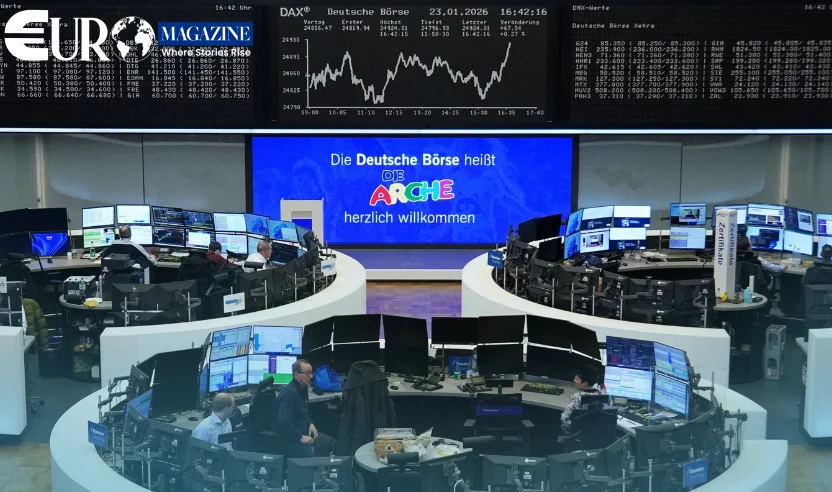
The developments come at a time of excess supply in global oil markets, which has weighed on prices over the past year. Brent crude futures edged up 0.14% to $63.85 a barrel late Thursday, while U.S. West Texas Intermediate rose 0.2% to $59.31.
Analysts cautioned that political risk remains a major obstacle to sustained investment in Venezuela’s oil sector.
“Venezuela’s oil problem is not technical or commercial, it’s fundamentally political,” said Baron Lamarre, former head of trading at Petronas and co-founder of Index. He added that investor capital is likely to remain cautious until long-term political continuity is firmly established.