
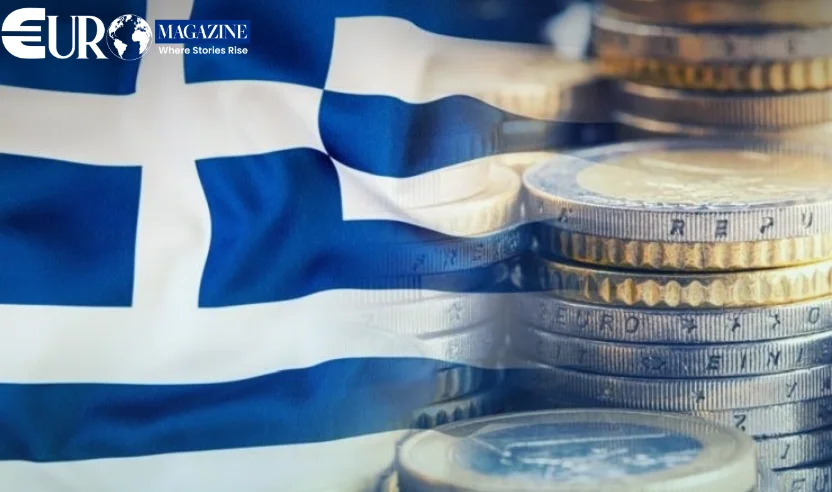
Greece has ushered in 2026 with a new package of tax cuts aimed at easing pressure on households, boosting incomes for families with children, and supporting younger workers entering the labour market.
The measures, first announced by the government three months ago at the Thessaloniki International Fair, include across-the-board income tax reductions, child-related tax relief, and income tax exemptions for younger earners. The changes come as Greece seeks to counter the effects of prolonged inflation and rising living costs.
The reform coincides with Greece assuming the rotating presidency of the Eurogroup, following the recent election of Kyriakos Pierrakakis as its head.
Broad income tax reductions
Most personal income tax rates have been cut by two percentage points, with the lowest bracket remaining unchanged at 9%. The reductions apply across multiple income levels and were implemented in early January.
For annual incomes between €40,000 and €60,000, the intermediate tax rate has been lowered to 39%, down from 44% at the end of 2025.
Larger relief for families with children
Families with children will see steeper tax reductions depending on household size. In the €10,000–€20,000 income bracket, the standard 22% rate has been cut to:
-
18% for households with one child
-
16% for two children
-
9% for three children
-
0% for families with four children
According to estimates from the finance ministry, a worker earning €20,000 annually would save €600 with two children, €1,300 with three, and €1,680 with four.
For someone earning €30,000 a year, projected annual savings range from €400 with no children to €4,100 for families with four children.
Zero income tax for younger workers
Under the new rules, workers aged up to 25 earning €20,000 or less will pay no income tax. For workers aged 25 to 30, the entry-level tax rate has been reduced to 9%, down from 22%.
The finance ministry estimates that a 24-year-old earning €15,000 annually would save about €1,283, rising to €2,480 on an income of €20,000. A 28-year-old on the same income would save approximately €1,300 per year.
Property and rental tax changes
Property owners in smaller communities are also set to benefit. Greece’s annual property tax, ENFIA, will be cut by 50% in 2026 for primary residences located in settlements with fewer than 1,500 residents, before being abolished entirely in 2027.
The government has described the measure as an incentive for families to remain in, or return to, rural areas.
Rental income taxation has also been revised. Around 161,500 property owners earning more than €12,000 annually from rent will receive tax cuts of up to €1,300, following the introduction of a new 25% intermediate tax band replacing the previous 35% rate.
Under the new scale:
-
Rental income up to €12,000 is taxed at 15%
-
€12,001–€24,000 at 25%
-
€24,001–€35,000 at 35%
-
€35,001 and above at 45%
Incentives for long-term rentals
Landlords who place previously vacant properties on the long-term rental market, or convert short-term rentals to long-term leases, by 31 December 2026 will qualify for a three-year income tax exemption on that rental income.
The incentive applies to homes that have been vacant for at least three years, or previously used for short-term rentals, provided the property does not exceed 120 square metres. For families with more than two children, the size limit increases by 20 square metres per additional child. Eligible leases must run for at least three years.