
More than two years after Finland closed its border with Russia, communities in eastern Finland are still struggling with serious economic losses.
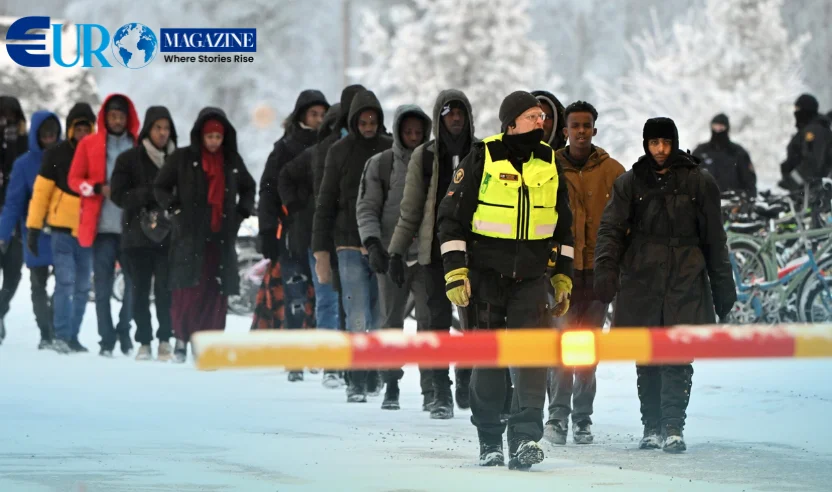
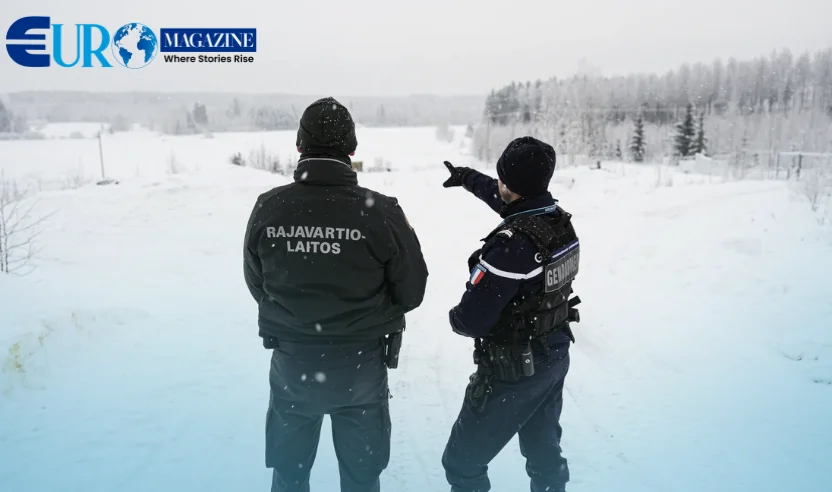
The 1,300-kilometre border was shut in December 2023 after the Finnish government accused Moscow of allowing undocumented migrants to cross into the country. Russia denied the accusation. The closure came during heightened tensions following actions by Russian President Vladimir Putin.
Since then, life in many border towns has slowed significantly. Before the shutdown, nearly two million crossings were recorded each year. Russian visitors supported local cafés, restaurants, petrol stations and small retail shops.
With cross-border traffic completely stopped, many businesses have seen sharp declines in revenue. Some have reduced staff and opening hours, while others have closed permanently.
Finland has strengthened security along the frontier. A 200-kilometre section of a new border fence was completed last November. The three-metre-high barrier includes barbed wire, surveillance cameras, lighting and loudspeakers in sensitive areas.
Unemployment has risen sharply in affected regions. By December 2025, Finland’s national unemployment rate stood at 10.2%. In border areas, the rate reached 18.2%, highlighting the heavier impact on eastern communities.
Local officials have called for more government support to help businesses and workers manage the ongoing economic strain.
Despite the financial difficulties, many residents say the closure was necessary for national security. There is currently no confirmed timeline for reopening the border.