
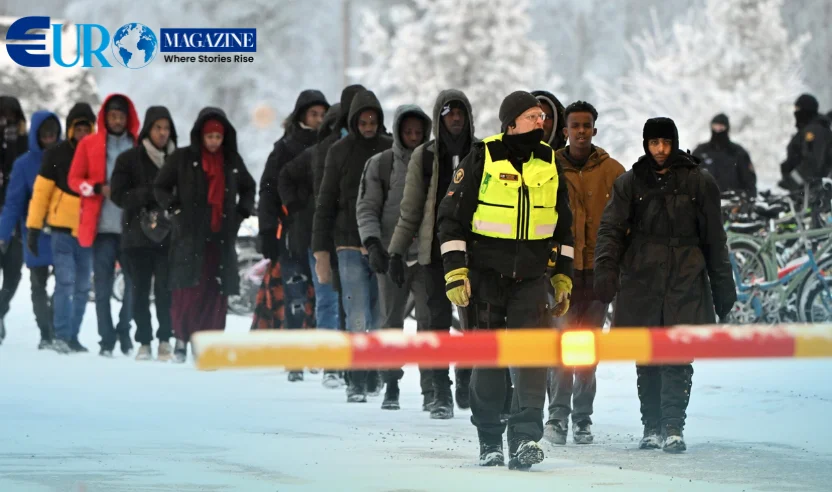
Eastern Finland — More than two years after Finland shut its 1,300-kilometre border with Russia, communities along the frontier continue to experience significant economic hardship.
The border closure, implemented in December 2023, has led to a sharp slowdown in economic activity across much of eastern Finland. Local businesses that previously relied on cross-border trade, tourism and consumer spending have reported sustained revenue losses since the restrictions were put in place.
The Finnish government said the decision to close the crossing points was a response to what it described as a deliberately orchestrated surge of undocumented migrants entering the country, a claim that Moscow has consistently denied.
The move also coincided with heightened geopolitical tensions following Russian President Vladimir Putin’s announcement of an expansion in the mobilisation of reservists, which increased security concerns in the region.
Border Infrastructure Strengthened
In parallel with maintaining the closure, Finland has accelerated the construction of enhanced border infrastructure. A new 200-kilometre section of border fencing was completed last November. The structure includes a three-metre-high barbed-wire barrier in areas identified as particularly sensitive.
Authorities have equipped the fence with night-vision cameras, lighting systems and loudspeakers as part of broader security upgrades.
Ongoing Impact on Local Economies
For many businesses in eastern Finland, the extended shutdown has translated into reduced customer traffic, lower sales volumes and ongoing uncertainty. The prolonged absence of cross-border movement continues to weigh on local economic conditions, with no immediate timeline announced for reopening.
As geopolitical tensions remain elevated, communities near the frontier face continued economic adjustment while national authorities prioritise border security and resilience measures.