

Frankfurt: Inflation in the eurozone fell back to the European Central Bank’s 2% target in December, reinforcing signs that the surge in prices seen over recent years is continuing to fade.
Flash estimates released by Eurostat showed annual consumer price inflation slowed to 2.0% in December, down from 2.1% in November and in line with market expectations.
Underlying inflation pressures also eased. Core inflation, which excludes volatile food and energy prices and is closely monitored by policymakers, declined to 2.3% year on year from 2.4% in November, marking its lowest level since August.
On a monthly basis, consumer prices rose 0.2% in December, reversing a 0.3% decline recorded in November.
Energy drag remains key factor
The breakdown of the data shows familiar trends across the currency bloc. Services inflation remained the strongest contributor, rising 3.4% annually, though slightly below the previous month’s pace.
Food, alcohol and tobacco prices edged higher, increasing 2.6% compared with a year earlier. Non-energy industrial goods recorded a modest annual rise of 0.4%.
Energy prices continued to weigh on the overall figure, falling 1.9% year on year, helping to pull headline inflation back to target.
ECB seen holding rates steady
With both headline and core inflation stabilising, markets see little urgency for policy action from the European Central Bank.
Market pricing suggests a strong likelihood that interest rates will remain unchanged at the Governing Council’s next meeting in February. Expectations for policy moves later in the year remain mixed, with investors divided over the timing and scale of any potential easing.
“The key message is that price pressures are normalising after several turbulent years,” said Joe Nellis, professor emeritus and economic adviser at MHA.
“Headline and core inflation are now moving within a relatively narrow range, which suggests that the extreme volatility of the recent past is largely behind us, even if risks remain.”
Nellis added that policymakers are likely to remain cautious, citing wage growth, energy markets and uneven demand across member states as ongoing sources of uncertainty.
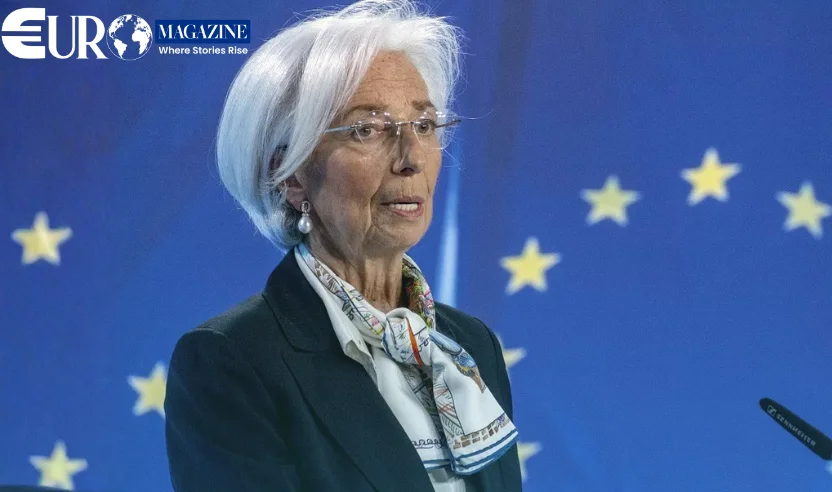
ECB President Christine Lagarde has repeatedly stressed that policy decisions will remain data-dependent and that the bank will avoid declaring victory over inflation prematurely.
Impact on households and businesses
The easing inflation backdrop offers some relief for households, whose purchasing power has been eroded by prolonged periods of high prices.
For businesses, more predictable inflation supports planning for investment and hiring. However, the return to price stability has coincided with only modest economic momentum across the eurozone.
Consumer spending remains subdued in several economies, industrial output has struggled to regain strength, and cross-border trade shows limited improvement.
Economists warn that this combination presents a delicate balancing act for policymakers, who must support growth without reigniting inflationary pressures.
Markets react positively
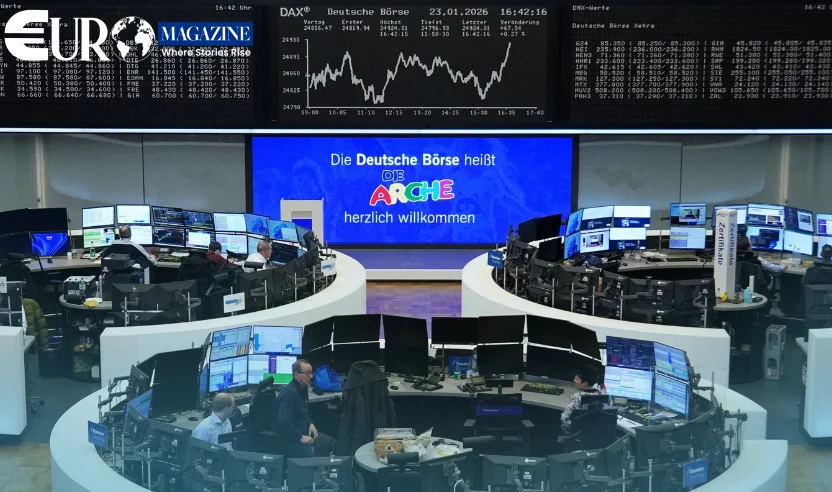
European equity markets responded calmly to the data. Germany’s benchmark DAX rose 0.5% to a fresh record high, extending a multi-day rally.
Siemens and Siemens Energy led gains among large-cap stocks.
The euro traded little changed against the dollar, while government bond yields edged lower. German 10-year Bund yields fell five basis points to 2.78%, reflecting investor confidence that inflation is stabilising and that the ECB will maintain its current policy stance in the near term.