

European stock markets opened lower on Monday as renewed tariff threats from Donald Trump unsettled investors and revived fears of a trade conflict between the United States and its European allies.
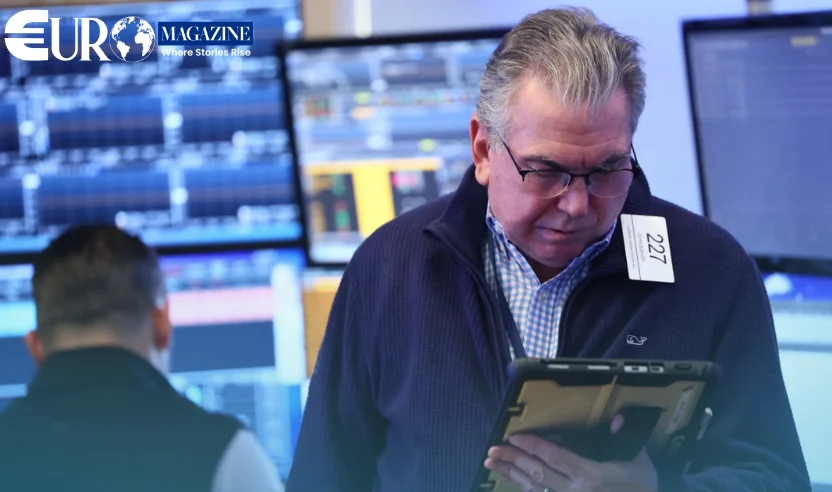
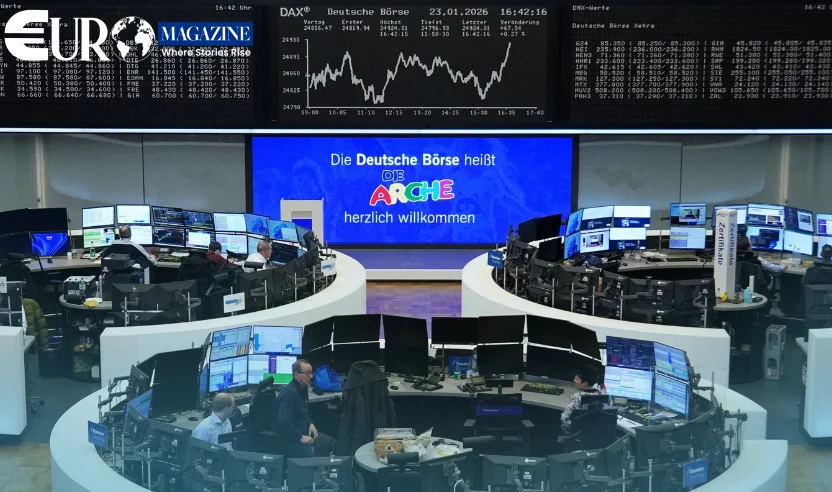
By mid-morning trading, France’s CAC 40 was down 1.28%, Germany’s DAX fell 1.02%, and the UK’s FTSE 100 slipped 0.27%. Spain’s IBEX 35 dropped 0.59%, Italy’s FTSE MIB declined 1.43%, and the broader STOXX 600 index was down 0.87%.
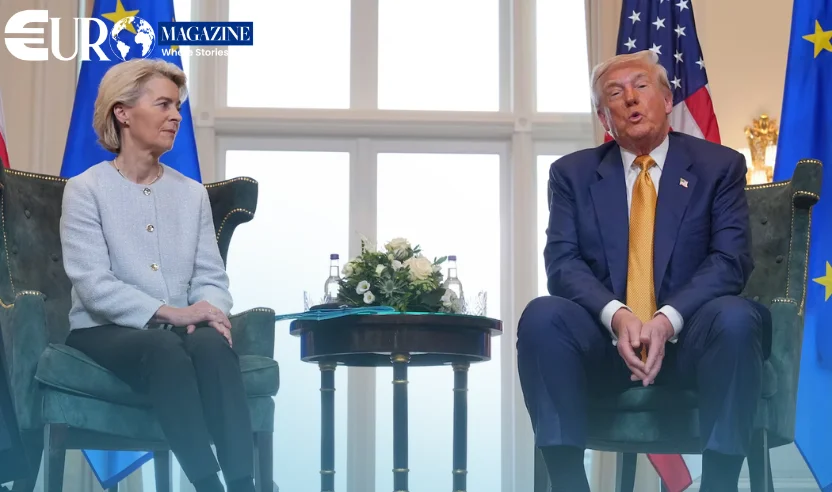
The market sell-off followed Washington’s warning that eight European countries could face a 10% tariff on exports to the U.S. from February 1 unless they support U.S. plans related to Greenland. The tariff rate could rise to 25% by June if no agreement is reached.
The countries named include Denmark, Germany, France, the UK, the Netherlands, Sweden, Finland and Norway.
European Union leaders are expected to meet this week to discuss their response, with options including retaliatory tariffs on U.S. goods or the possible use of the EU’s anti-coercion trade instrument. Officials have reiterated their support for Greenland’s right to self-determination and Denmark’s sovereignty.
Shares in European carmakers were among the hardest hit. The STOXX Europe Automobiles & Parts index fell more than 2%, with sharp losses in BMW, Volkswagen and Volvo. Luxury goods stocks also declined, with the STOXX Europe Luxury 10 index down nearly 3%.
In contrast, safe-haven assets surged. Gold prices rose above $4,700 an ounce, while silver climbed past $94, as investors moved away from riskier assets.
Defence stocks bucked the broader market trend, with gains seen in companies including Thales, Rheinmetall, Leonardo and BAE Systems.
Asian markets also traded lower, while U.S. markets were closed for the Martin Luther King Jr. public holiday. U.S. stock futures pointed lower, and the dollar weakened slightly against the euro.
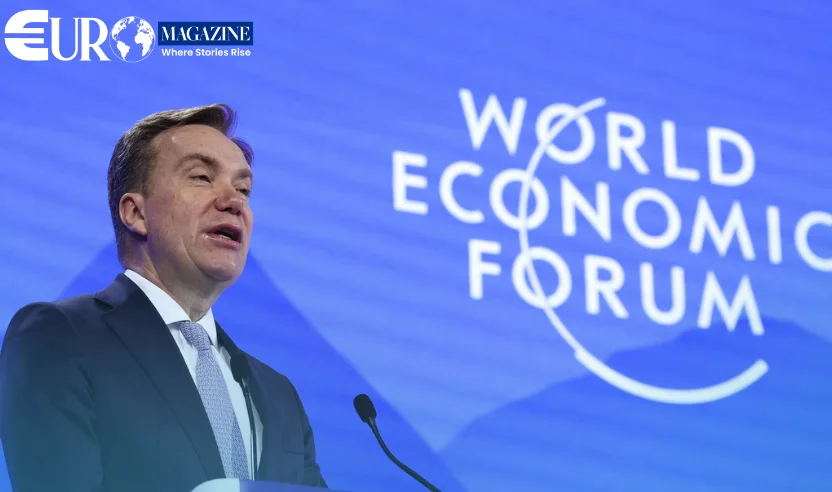
Investors are now watching closely for further developments from Washington and Brussels, as well as announcements from the World Economic Forum in Davos later this week.