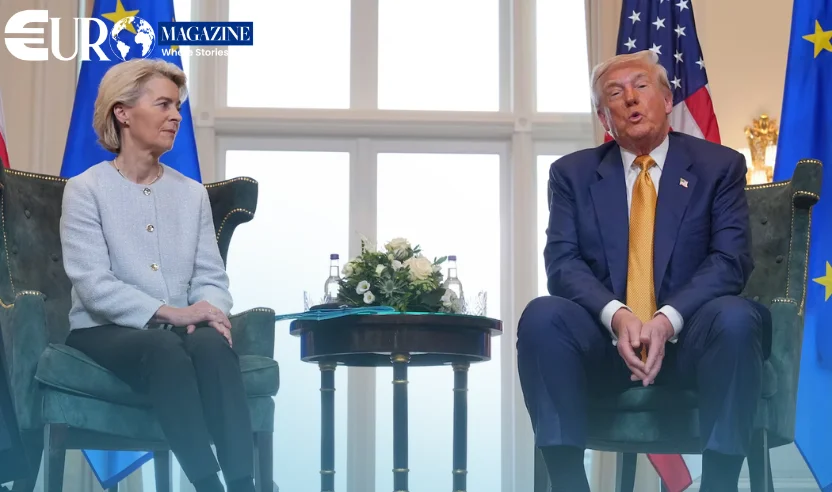


The European Union is considering activating a powerful, never-used trade defence mechanism after U.S. President Donald Trump threatened new tariffs on European countries over their refusal to support U.S. plans related to Greenland.
EU officials say Washington’s move, openly linking tariffs to geopolitical demands, could qualify as economic coercion under the bloc’s Anti‑Coercion Instrument, a law adopted in 2023 to allow collective retaliation when a member state is pressured through trade or investment threats.
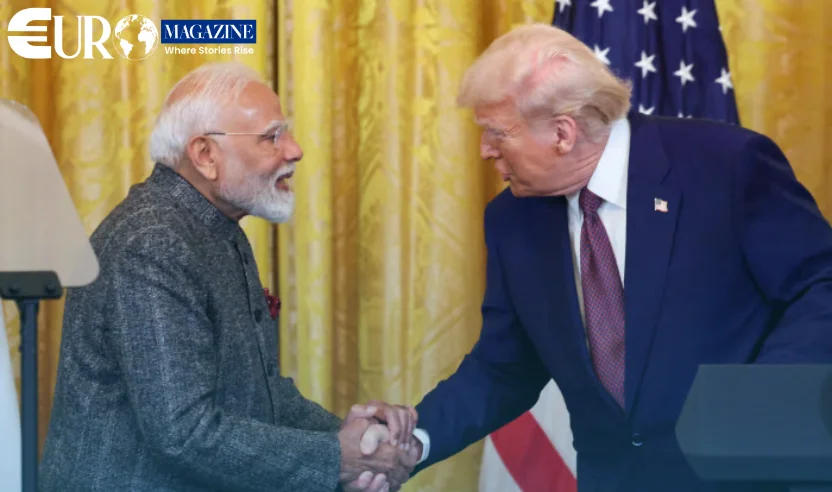
Trump has warned that goods from Denmark, Germany, France, the Netherlands, Sweden, Finland, Norway and the UK could face an additional 10% tariff from February 1, rising to 25% by June if those countries do not change their stance. The levies would be added to an existing 15% tariff agreed last year under a fragile EU-U.S. trade deal.
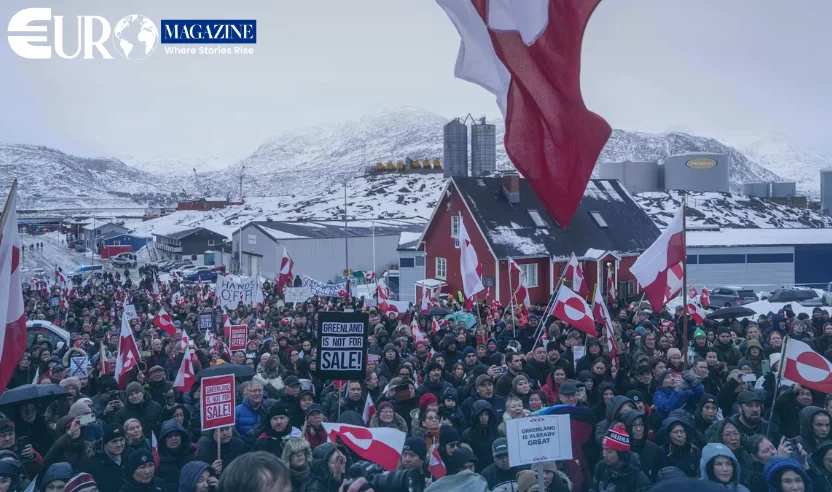
While Greenland is not an EU member, it is linked to Denmark, an EU state. Officials argue that pressure on Greenland amounts to pressure on an EU member’s sovereign decision-making, a scenario the anti-coercion law was designed to address.
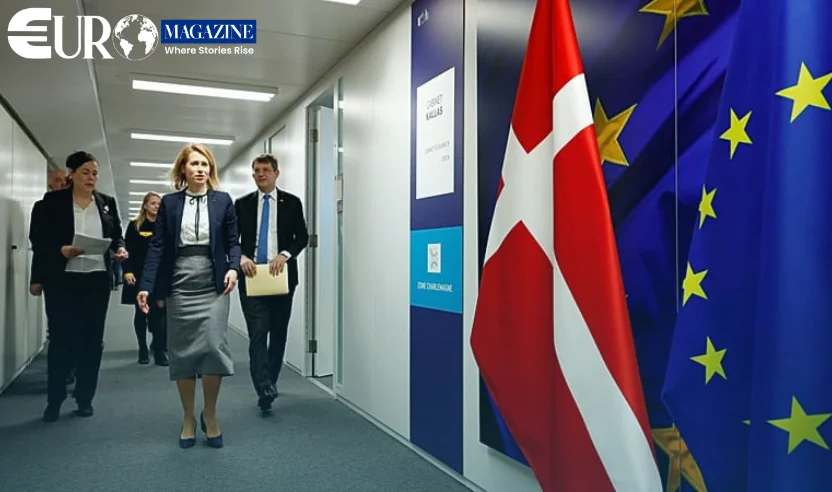
Senior officials in Berlin and Paris have publicly rejected what they describe as economic blackmail, signalling that the bloc is prepared to act jointly if the threats are carried out.
Often described as the EU’s economic equivalent of NATO’s Article 5, where an attack on one is treated as an attack on all, the mechanism allows the EU to respond as a single market of around 450 million consumers, rather than through individual national actions.
If triggered, the process would involve an investigation by the European Commission, followed by approval from member states. Possible countermeasures include restricting access to the EU market, limiting public procurement opportunities, and imposing controls on trade, investment or services.
EU leaders are expected to discuss their options in the coming days, with diplomacy still the preferred route. However, officials say the bloc is increasingly prepared to escalate if tariff threats tied to political demands continue.