
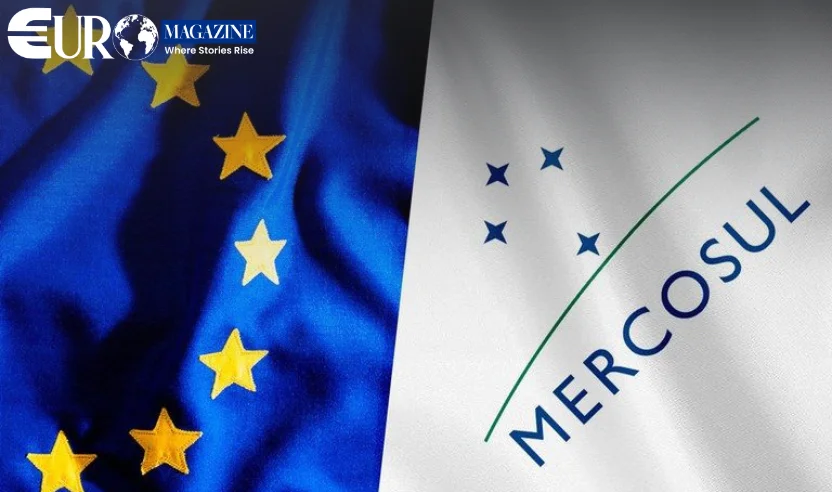
The European Union and the South American trade bloc Mercosur are set to sign a landmark free trade agreement on Saturday, concluding negotiations that began more than 25 years ago and paving the way for one of the world’s largest free trade areas.
The pact, agreed in Brussels last week, will be formally signed in the Paraguayan capital Asunción, despite strong opposition from European farmers who fear increased competition from South American agricultural imports.
Together, the EU and Mercosur represent around 30% of global GDP and a combined market of more than 700 million consumers. The agreement will remove tariffs on over 90% of goods traded between the two blocs.
Under the terms of the deal, European exporters are expected to benefit from improved access for cars, machinery, wines, and spirits, while Mercosur countries will gain easier entry for agricultural products such as beef, sugar, rice, honey, and soy.
Negotiations Spanning More Than Two Decades
Talks on the agreement began in 1999 between the EU and Mercosur’s founding members, Argentina, Brazil, Uruguay, and Paraguay, which currently holds the bloc’s rotating presidency. Bolivia, although now a Mercosur member, is not party to the agreement.
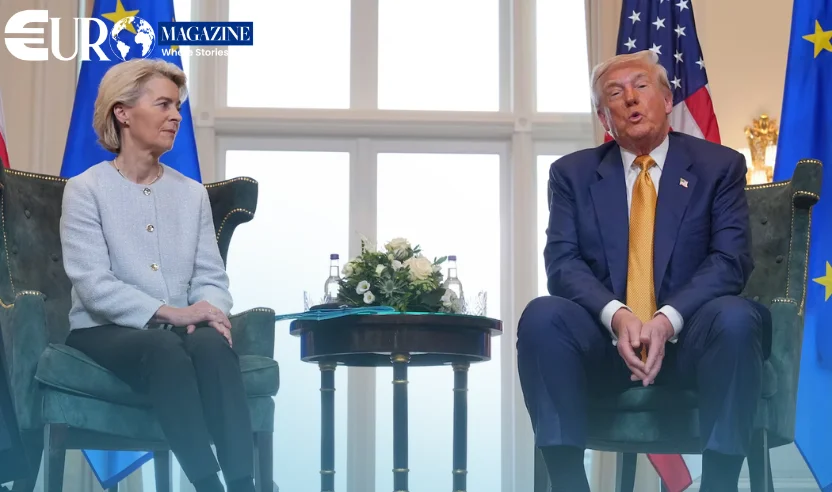
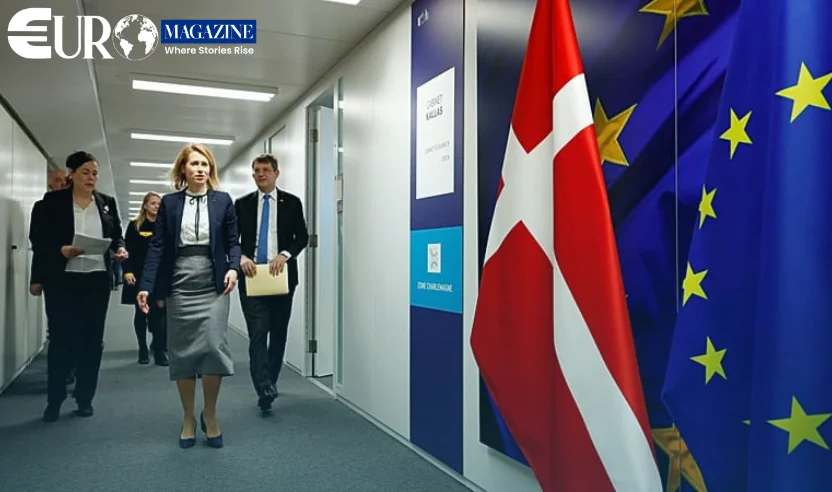
Ursula von der Leyen is expected to attend the signing alongside European Council President Antonio Costa, travelling first to Rio de Janeiro before flying on to Asunción.
Paraguayan President Santiago Peña and Uruguayan President Yamandú Orsi are also scheduled to attend. The participation of Argentine President Javier Milei and Brazilian President Luiz Inácio Lula da Silva has not been confirmed.
Lula last week described the agreement as a “historic day for multilateralism,” highlighting its significance amid rising global protectionism.
Political Divisions and Ratification Challenges
Within the EU, the agreement faced resistance from several member states, with France leading efforts to block it. Ireland, Poland, Hungary, and Austria also opposed the deal, but support from Italy ultimately ensured its approval at the political level.
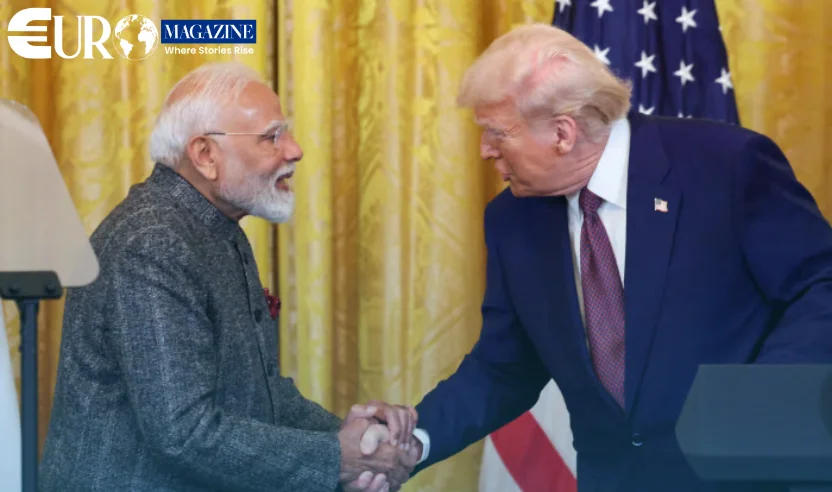
Analysts say geopolitical factors played a role in accelerating the deal’s conclusion. Argentine trade analyst Luciana Ghiotto said the agreement demonstrates an alternative to economic alignment with the United States or China at a time of growing unilateralism, particularly in response to tariff policies under the administration of Donald Trump.
For the EU, experts argue the pact strengthens strategic autonomy and global influence, while for Mercosur it represents a rare diplomatic and economic win amid internal divisions.
Following the signing, the agreement must still be ratified by Mercosur member states and approved by the European Parliament, where support is not yet guaranteed.
European farmers have continued to voice concerns that the deal could lead to an influx of lower-cost imports produced under less stringent standards. Protests have taken place in France, Poland, Ireland, and Belgium in recent days.
In response, the European Commission has announced safeguard mechanisms, including a crisis fund and provisions allowing tariffs to be reinstated if imports surge and threaten domestic markets.