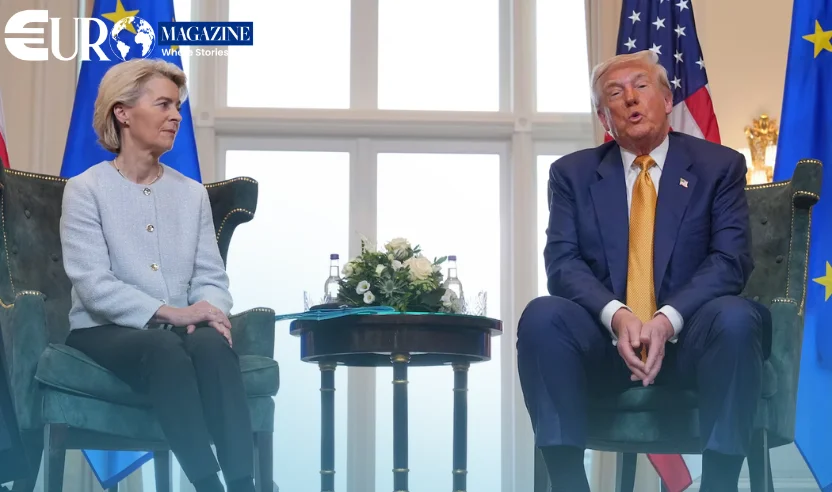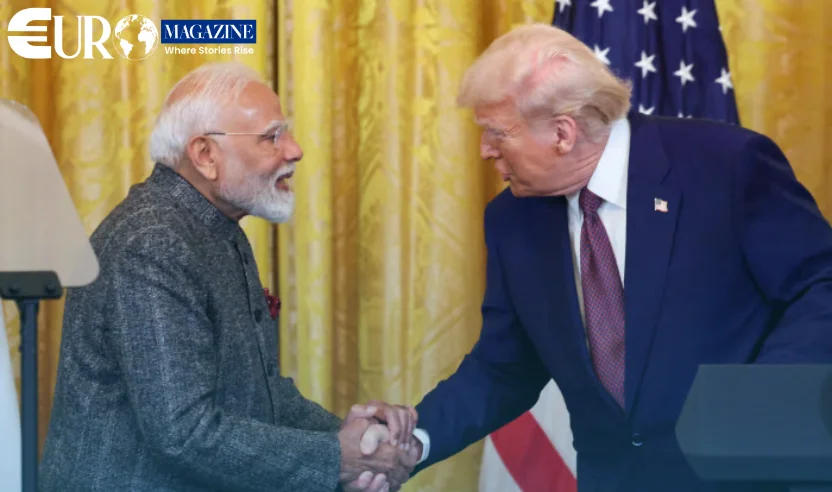

The European Union has decided not to immediately deploy its powerful anti-coercion trade tool in response to tariff threats from Donald Trump linked to the dispute over Greenland, opting instead to pursue a diplomatic solution, people familiar with the discussions said.
EU ambassadors met in Brussels on Sunday for urgent talks following warnings from Washington that additional tariffs could be imposed on several European countries. According to officials briefed on the meeting, member states agreed to prioritise dialogue with the United States rather than trigger retaliatory measures at this stage.
The so-called trade “bazooka”, formally known as the Anti-Coercion Instrument, was adopted in 2023 to counter economic pressure from foreign governments. It allows the bloc to restrict trade access, licences and investment, but has never been used.
Diplomatic sources said the European Commission presented several response options, including the use of the anti-coercion instrument, though no vote was taken on activating any measure.
The EU could still revive a previously prepared €93-billion retaliation package if Washington follows through on plans to impose an additional 10% tariff on goods from countries including Denmark, Germany and France from February 1. A final decision is expected after that deadline.
That package, drafted last year, would impose tariffs of up to 30% on a range of U.S. products, from automobiles to agricultural goods. It was suspended after the EU and the U.S. reached a trade understanding last summer setting a baseline 15% tariff on most European exports.
However, renewed tensions linked to Greenland have disrupted that agreement, prompting European lawmakers to delay a planned vote on its implementation.
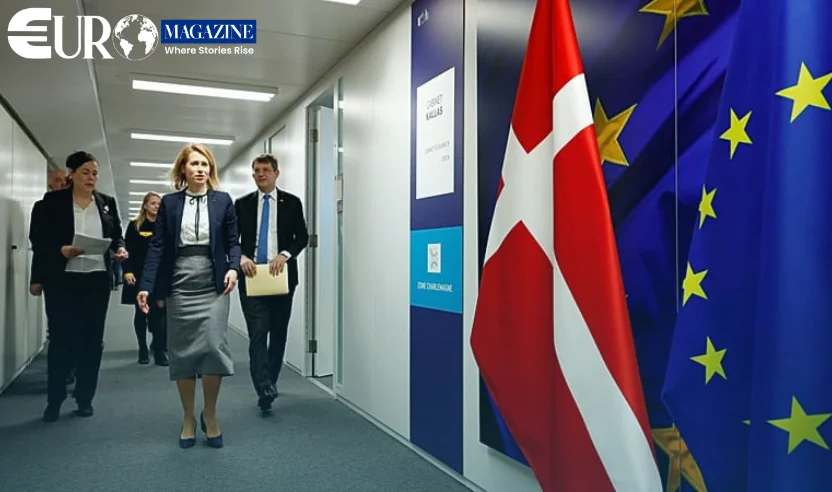
European Council President António Costa has now called an extraordinary summit of EU leaders, expected to take place later this week. Diplomats said member states expressed solidarity with Denmark and Greenland, stressing respect for sovereignty and territorial integrity.