
The European Commission on Wednesday unveiled a legal proposal to grant Ukraine a €90 billion loan, calling on EU lawmakers and member states to approve the package quickly so funds can begin flowing as early as April.
The proposal is designed to cover Ukraine’s financing needs over the next two years, with approximately €60 billion allocated for military expenditure and €30 billion earmarked to support Kyiv’s strained national budget.
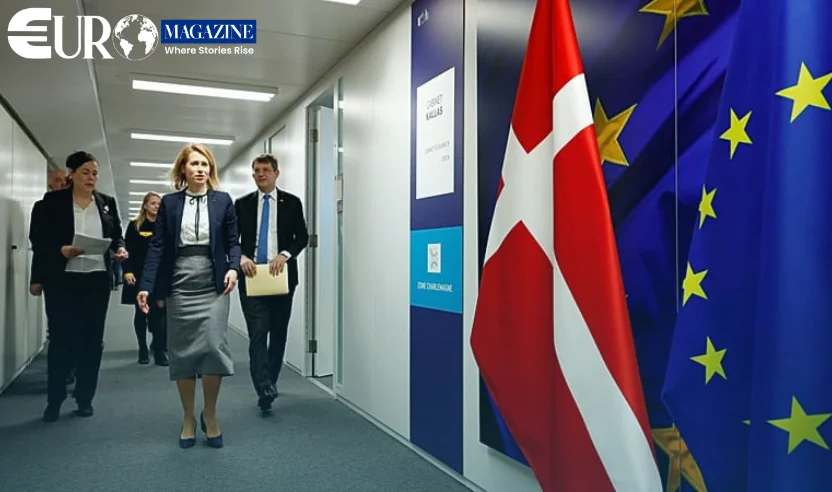
European Commissioner for Economy and Productivity Valdis Dombrovskis said the Commission is aiming to move rapidly due to the urgency of Ukraine’s financial situation.
“We are aware of Ukraine’s sizeable and urgent financing needs. That is why we are aiming to start disbursing in April,” Dombrovskis told reporters at a press briefing.
For the loan to proceed, approval is required from both the European Parliament and the Council of the European Union by late February or early March.
Shift Away From Russian Asset-Based Plan
EU leaders endorsed the €90 billion loan framework in December after abandoning a plan to issue a reparations-style loan backed by immobilised Russian assets. That earlier proposal faced opposition from several member states, including Belgium, where most of the assets are held.
Under the agreed structure, the loan will be non-recourse, meaning Ukraine will not be required to pay interest and will only repay the principal once Russia ends its war and agrees to cover reparations.
Hungary, Slovakia and the Czech Republic were exempted from guaranteeing the joint debt to secure unanimity, leaving the remaining 24 member states responsible for interest costs estimated at €3–4 billion annually.
Dombrovskis said interest payments up to 2027 will be covered using unspent EU funds, while future repayments may be addressed through a dedicated mechanism under the bloc’s next long-term budget framework.
Defence Spending and “Made in Europe” Rules
The loan includes a “Made in Europe” requirement aimed at strengthening European and Ukrainian defence industries. Military equipment funded under the scheme is expected to be sourced primarily from the EU, Ukraine, or EEA/EFTA countries, with purchases from outside Europe permitted only when alternatives are unavailable or cannot be delivered in time.
Member states remain divided over how much flexibility Ukraine should have to buy non-European equipment. Germany and the Netherlands have argued for greater leeway, including potential purchases through NATO’s procurement channels.
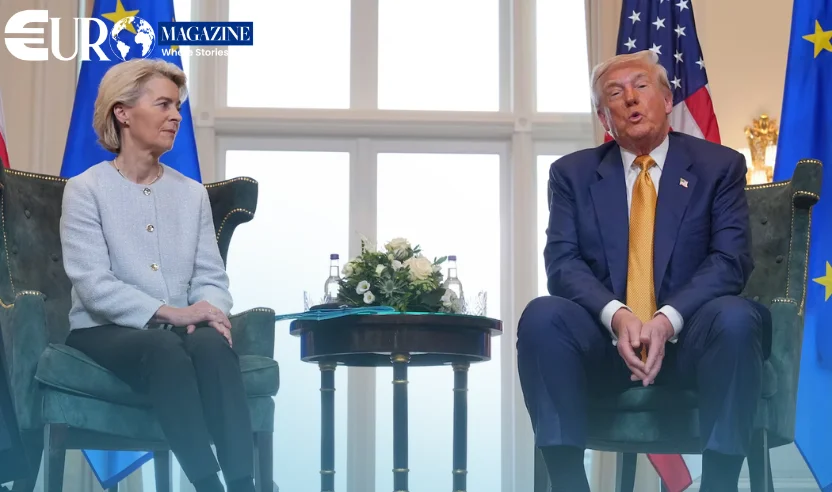
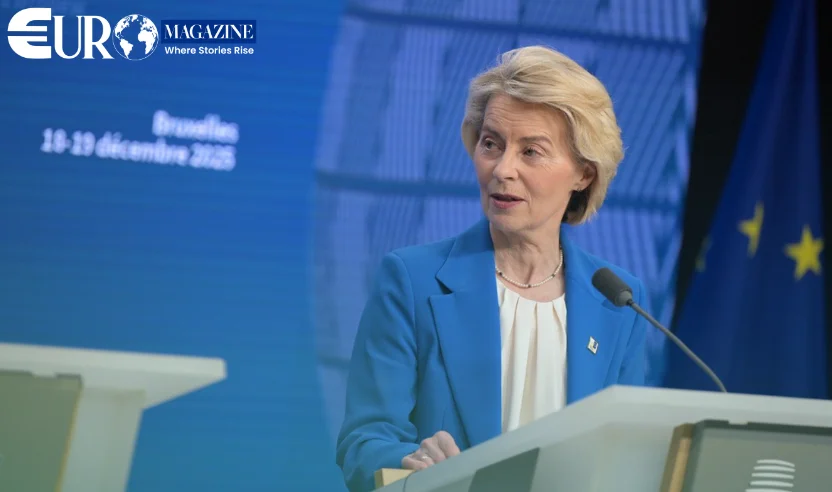
Commission President Ursula von der Leyen said the policy is intended to balance Ukraine’s urgent needs with Europe’s strategic interests.
“These are billions being invested, and these investments should have a return in jobs, innovation, and strengthening our defence industrial base,” she said.
EU ambassadors are expected to begin discussions on the proposal later on Wednesday, while political group leaders in the European Parliament will decide whether to fast-track the legislation for debate during the next plenary session.