
Brussels — As Bulgaria officially begins its transition from the lev to the euro, new survey data shows that public confidence in the single currency remains broadly high across the European Union, even as concerns persist in some newer eurozone members over rising prices.
A recent Eurobarometer study found that nearly 80% of respondents across the euro area believe the euro has been positive for the EU, highlighting continued support for the currency more than two decades after its introduction.
Support is strongest in northern and central Europe. Countries such as Finland, Lithuania, Slovenia and Slovakia reported approval ratings above 85%, with respondents citing easier cross-border trade, simplified travel and greater price transparency as key benefits.
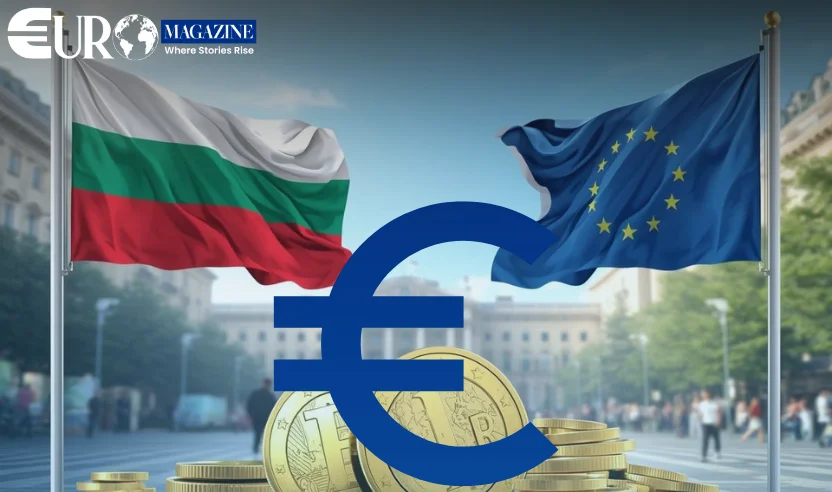
Bulgaria’s adoption of the euro brings the number of eurozone members to 21, marking a significant milestone for the bloc’s poorest member state. While many Bulgarians hope the change will strengthen economic stability and investor confidence, the experience of other countries suggests that public sentiment can shift during the transition period.
Croatia, which adopted the euro in 2023, recorded the lowest level of support in the survey. Just 38% of respondents there said the euro has been good for their country, a decline of six percentage points since 2024. Many Croatians continue to associate the currency changeover with higher prices, with a majority still converting euro prices back into the former kuna when shopping.
Similar declines in support were observed in Estonia and Belgium, where approval fell by six and five percentage points respectively. In both countries, respondents expressed concern about cost-of-living pressures rather than opposition to the currency itself.
Despite these reservations, most eurozone citizens say the single currency strengthens their sense of European identity and makes everyday economic activity easier. Around eight in ten respondents across the EU said the euro simplifies price comparisons and shopping in other member states, while nearly half believe it has reduced banking fees when travelling abroad.
Younger Europeans are notably more positive. Respondents aged 15 to 24 were the most likely to view the euro favorably, reflecting greater comfort with cross-border mobility and digital payments.
The survey also revealed broad support for scrapping low-value euro coins. Nearly 60% of respondents across the euro area favour abolishing 1- and 2-cent coins, a move already reflected in rounding practices in countries such as Finland, Belgium and the Netherlands.
For Bulgaria, the findings suggest cautious optimism. While euro adoption often brings short-term anxiety about inflation, the long-term trend across the bloc indicates enduring public backing for the currency, especially where economic benefits become visible over time.