

Consumer confidence in the United States has fallen to its lowest level on record, as rising inflation fears and geopolitical tensions linked to the Iran conflict continue to pressure household sentiment. According to the latest survey from the University of Michigan, the headline consumer sentiment index dropped sharply to 47.6 in April, marking a 10.7% decline from the previous month. The fall represents the weakest reading since the survey began, reflecting growing anxiety among consumers over the economic outlook.
The downturn in sentiment has been accompanied by a notable increase in inflation expectations. Survey respondents now anticipate prices to rise by 4.8% over the next year—up a full percentage point from March and the highest level recorded since August 2025.
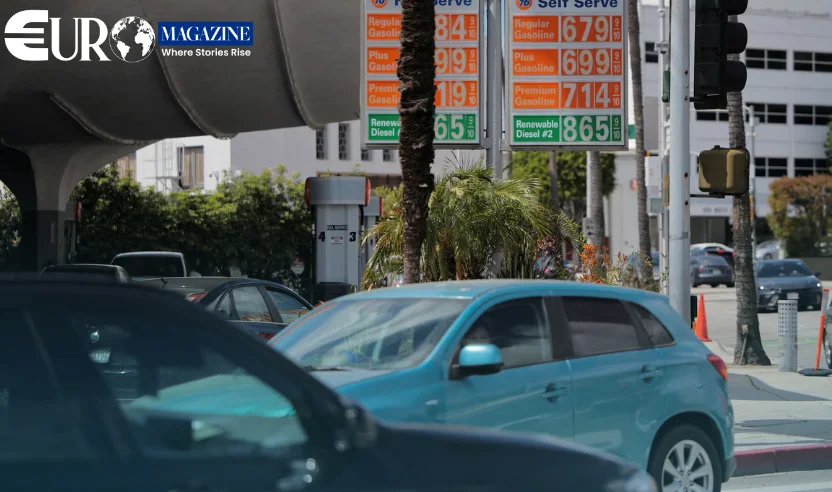
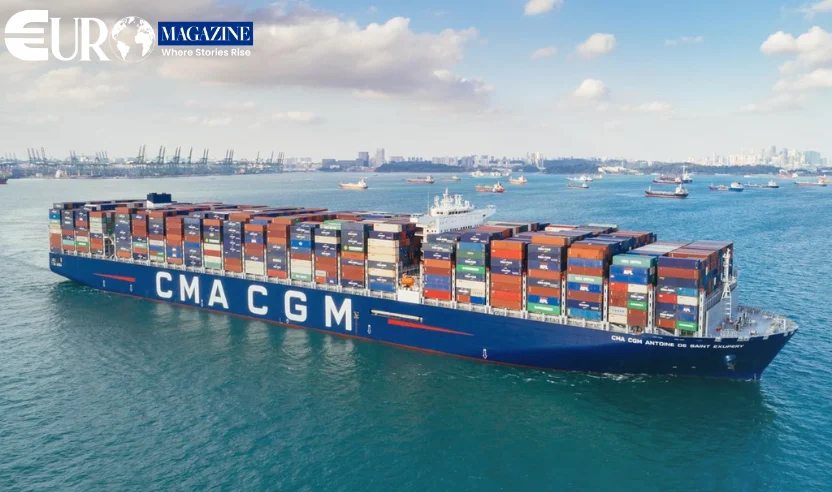
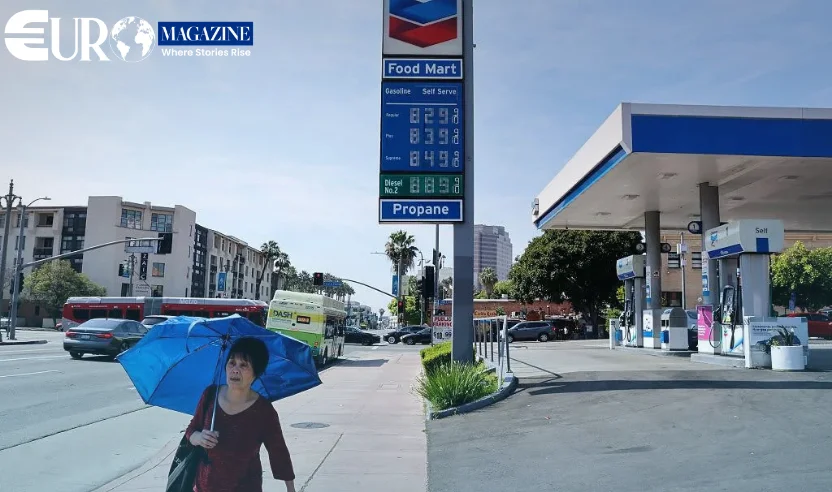
Analysts suggest that the spike is largely driven by surging energy prices, a direct consequence of the ongoing Iran war, which has disrupted global supply chains and pushed fuel costs higher.
Joanne Hsu, director of the survey, noted that many participants attributed worsening economic conditions to the conflict and its impact on energy markets. However, she pointed out that most survey responses were collected before the ceasefire announced earlier this month, meaning the data primarily reflects sentiment during March.
Hsu added that consumer outlook could improve if supply disruptions ease and fuel prices stabilise in the coming weeks, particularly if the ceasefire holds.
The survey findings were released shortly after fresh data from the Bureau of Labor Statistics confirmed that inflation is already accelerating. The Consumer Price Index rose by 0.9% in March, pushing the annual inflation rate to 3.3%, with the bulk of the increase driven by higher energy costs.
Long-term inflation expectations also edged higher. The five-year outlook rose to 3.4%, indicating that consumers are increasingly concerned about sustained price pressures, even as core inflation remains relatively stable.
The sharp drop in sentiment highlights the broader economic impact of geopolitical instability, as rising costs and uncertainty begin to weigh on consumer behaviour and spending patterns.
With inflation climbing and confidence weakening, policymakers at the Federal Reserve face mounting pressure to carefully balance interest rate decisions in the weeks ahead.