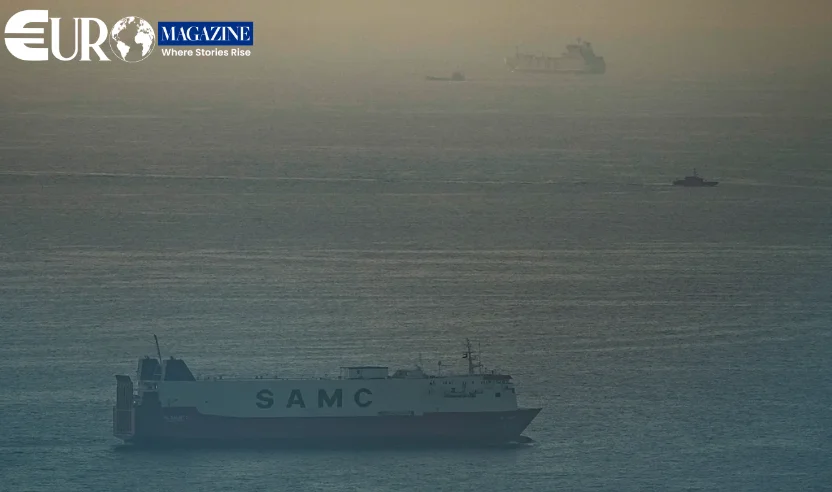


Energy prices across Europe are expected to remain elevated despite a ceasefire between the United States and Iran, due to ongoing supply disruptions and global market pressures. The International Energy Agency said the recent conflict triggered one of the largest disruptions in global oil supply, with significant long-term effects on both oil and gas markets.
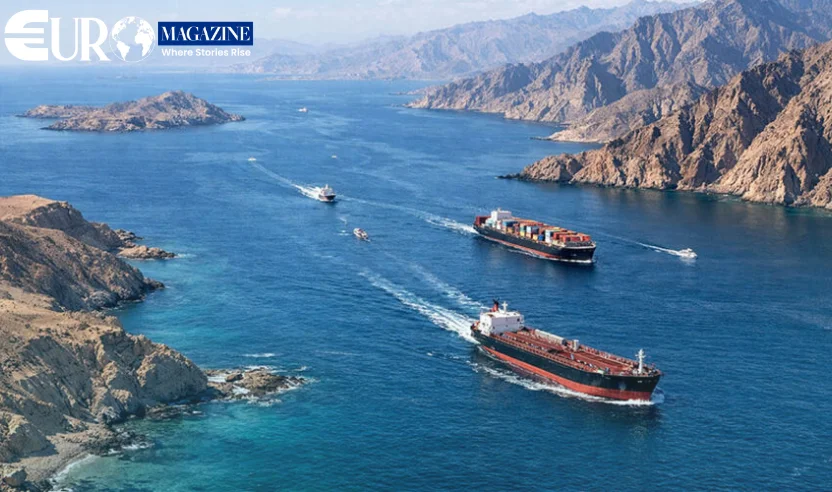
Although Europe relies only marginally on oil shipments through the Strait of Hormuz, the global nature of energy markets means supply shocks continue to impact prices across the region.
Oil prices surged from around $72 per barrel before the conflict to nearly $120 at their peak, and remain above pre-war levels even after the ceasefire. Gas prices also rose sharply, reflecting reduced supply and increased demand.
European officials have warned that prices are unlikely to return to normal levels in the near term. EU Energy Commissioner Dan Jørgensen said a full recovery could take time even if a lasting peace agreement is reached.
The European Union imports the majority of its energy, making it vulnerable to global supply disruptions. A large share of natural gas is sourced from liquefied natural gas (LNG), which is traded internationally and subject to competition from other regions.
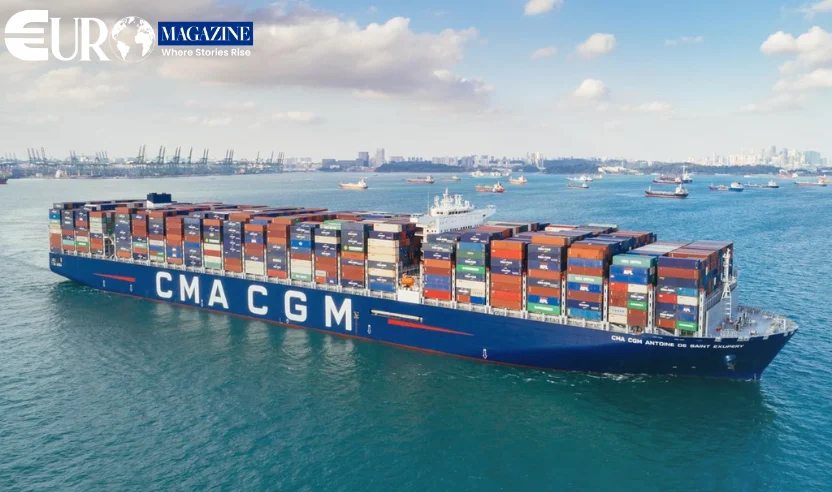
Industry experts say higher shipping costs, increased war-risk insurance premiums, and reduced production capacity—particularly in the Gulf—are continuing to drive prices upward.
Damage to key energy infrastructure and reduced output in major producing countries have further tightened supply, with recovery expected to take months or even years in some cases.
While governments may use strategic reserves and temporary policy measures to ease pressure, analysts caution that these steps are unlikely to provide long-term relief.
Markets remain sensitive to geopolitical developments, and uncertainty surrounding a permanent resolution between Washington and Tehran is expected to keep energy prices volatile in the coming months.