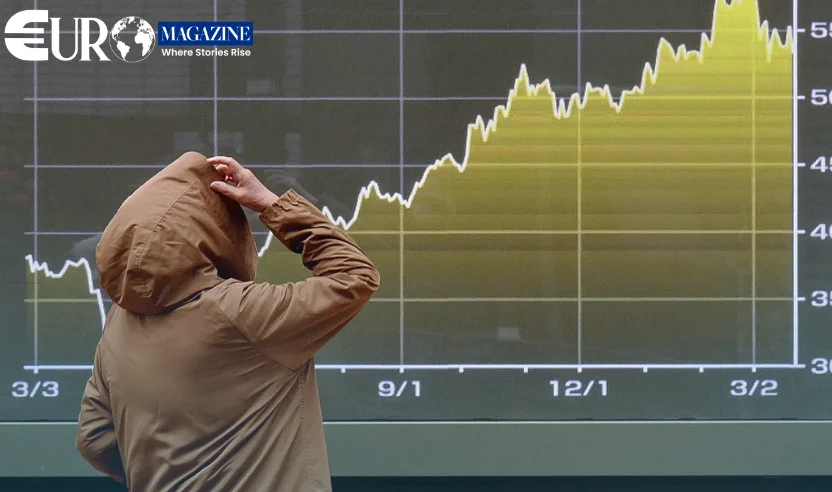

For decades, business success across global markets was largely defined by growth. Expansion, market capture, revenue acceleration, and scale were considered the ultimate indicators of performance. Companies that grew faster were rewarded by investors, admired by peers, and celebrated by the media.
Across Europe, however, a fundamental shift is taking place. Increasingly, businesses are moving away from aggressive growth models and toward strategies built around long-term stability. This change is not driven by fear or stagnation. It is a calculated response to an environment where uncertainty has become permanent and where sustainable value matters more than rapid expansion.
European companies are redefining what success looks like. Stability, once seen as conservative or defensive, is now viewed as a strategic advantage.
Europe’s Economic Environment Has Redefined Business Priorities
The European business environment has been shaped by repeated cycles of disruption. Financial crises, sovereign debt challenges, pandemic-related shutdowns, energy volatility, inflation, and geopolitical instability have all left a lasting impact on how companies assess risk.
Unlike short-lived downturns, these events have created a lasting awareness that volatility is structural rather than temporary. European businesses no longer assume that periods of stability will naturally return after disruption. Instead, they plan for uncertainty as a constant condition.
As a result, many organizations have concluded that growth strategies dependent on uninterrupted economic expansion are increasingly fragile. Stability-oriented strategies offer protection against prolonged disruption, allowing businesses to remain operational and credible even when external conditions deteriorate.
The Growth-First Model Has Exposed Its Weaknesses
Rapid growth often brings hidden vulnerabilities. Expanding too quickly can stretch financial resources, operational capacity, and leadership attention. In stable conditions, these weaknesses may remain hidden. During downturns, they become critical liabilities.
European businesses have seen how growth-first models can lead to:
-
Excessive reliance on external financing
-
Overextended supply chains
-
Increased regulatory and compliance exposure
-
Organizational complexity that slows decision-making
-
Workforce burnout and talent attrition
In contrast, stability-focused companies maintain tighter control over operations and finances. They scale deliberately, ensuring that systems, leadership structures, and compliance capabilities grow alongside revenue.
Regulation Rewards Stability and Disciplined Expansion
Regulation has always been a defining feature of the European business landscape. From labor laws and financial oversight to data protection and sustainability requirements, European companies operate within structured frameworks designed to protect stakeholders.
As regulatory expectations increase, rapid expansion becomes more difficult to manage. Growth introduces complexity, while compliance demands consistency and transparency. Many companies now recognize that stability aligns more naturally with regulatory realities.
Businesses that prioritize stability are better positioned to:
-
Maintain consistent compliance across markets
-
Anticipate regulatory changes rather than react to them
-
Avoid costly penalties and reputational damage
In Europe, regulatory alignment is not a barrier to success; it is a foundation for long-term credibility.
Financial Discipline Is Replacing Aggressive Leverage
Another key driver behind the shift toward stability is financial strategy. European companies are becoming more cautious about debt, leverage, and speculative investment.
Rather than maximizing short-term returns, organizations are focusing on:
-
Strong balance sheets
-
Predictable cash flows
-
Controlled operating costs
-
Adequate liquidity reserves
This financial discipline enables businesses to survive downturns without drastic measures such as mass layoffs, asset sales, or emergency restructuring. Stability-focused financial management also creates the flexibility to invest strategically when opportunities arise.
Investors Are Reassessing What Long-Term Value Means
Investor behavior in Europe is also evolving. While growth remains important, there is increasing skepticism toward expansion that lacks structural strength. Investors are paying closer attention to governance, risk management, and sustainability.
Stable businesses are often perceived as:
-
Lower risk over long investment horizons
-
More capable of delivering consistent returns
-
Better aligned with ESG expectations
As a result, companies that demonstrate stability are attracting patient capital rather than speculative investment. This shift reinforces long-term planning and reduces pressure to pursue unsustainable growth.
Workforce Expectations Favor Stability Over Volatility
Employees across Europe are playing a growing role in shaping business strategy. The workforce is increasingly prioritizing job security, predictable career paths, and healthy work environments.
High-growth environments often involve:
-
Frequent restructuring
-
Uncertain roles
-
Long working hours
-
Pressure to deliver short-term results
European businesses are responding by emphasizing stability as part of their employer value proposition. Stable organizations are better able to retain talent, preserve institutional knowledge, and build strong internal cultures.
A committed, experienced workforce becomes a long-term asset rather than a cost center.
Sustainability Naturally Aligns with Stability
The shift toward stability also reflects Europe’s strong commitment to sustainability. Environmental and social responsibilities require long-term thinking, careful resource management, and consistent execution.
Rapid growth often increases environmental impact and operational risk. Stability-oriented strategies allow companies to:
-
Invest gradually in energy efficiency
-
Build responsible supply chains
-
Meet ESG reporting standards consistently
-
Reduce exposure to future regulatory tightening
In Europe, sustainability is not a marketing exercise. It is a structural requirement that reinforces the logic of stable, measured growth.
Supply Chain Strategy Is Moving from Efficiency to Reliability
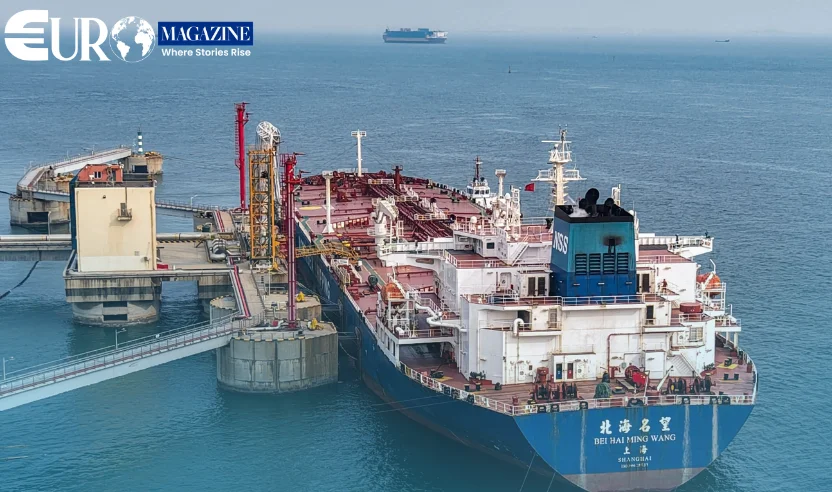
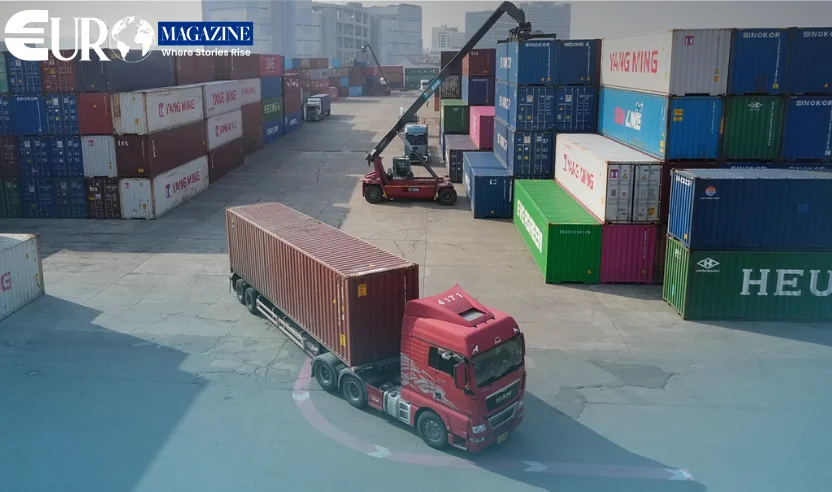
European companies are also reconsidering how growth affects supply chain resilience. Highly optimized supply chains designed for cost efficiency have proven vulnerable to global disruption.
Stability-focused organizations are prioritizing:
-
Supplier diversification
-
Regional and nearshore sourcing
-
Long-term supplier relationships
-
Inventory strategies that balance efficiency and resilience
These choices may limit short-term expansion but significantly reduce operational risk. Stable supply chains support continuity and customer trust, even during external shocks.
Leadership Culture in Europe Favors Continuity
European leadership traditions emphasize responsibility, consensus, and long-term stewardship. In the current environment, these traits are gaining renewed relevance.
Leaders are increasingly judged on their ability to:
-
Maintain organizational stability during uncertainty
-
Protect employees and stakeholders
-
Make disciplined, ethical decisions
Stability is no longer perceived as hesitation. It is recognized as a sign of maturity and strong governance.
Stability Enables Smarter Innovation
Contrary to common assumptions, stability does not suppress innovation. In many cases, it enables more effective innovation. Stable organizations have the resources and focus needed to invest in innovation aligned with long-term strategy.
Instead of disruptive experimentation, innovation in stable European businesses tends to be:
-
Purpose-driven
-
Incremental and scalable
-
Integrated into existing operations
This approach reduces failure rates and ensures that innovation strengthens, rather than destabilizes, the business.
Stability as a Long-Term Competitive Advantage
By shifting from growth-first to stability-first strategies, European businesses gain advantages that extend beyond financial performance:
-
Greater resilience to economic shocks
-
Stronger employee loyalty
-
Improved regulatory standing
-
Enhanced investor confidence
-
Long-term brand credibility
These factors combine to create durable competitive advantage in an increasingly uncertain world.
Conclusion: Redefining Success in European Business
The shift from growth to stability is not a rejection of ambition. It is a redefinition of what sustainable success looks like in Europe’s complex business environment.
European businesses are choosing resilience over speed, discipline over speculation, and long-term value over short-term gain. Stability is no longer a conservative fallback; it is a strategic choice shaped by experience, regulation, and responsibility.
As uncertainty becomes the norm, the companies that endure will not be those that grow the fastest, but those that build strong foundations capable of supporting growth over time. In this new era, stability is not the opposite of progress. It is the condition that makes progress possible.
You can also read:-