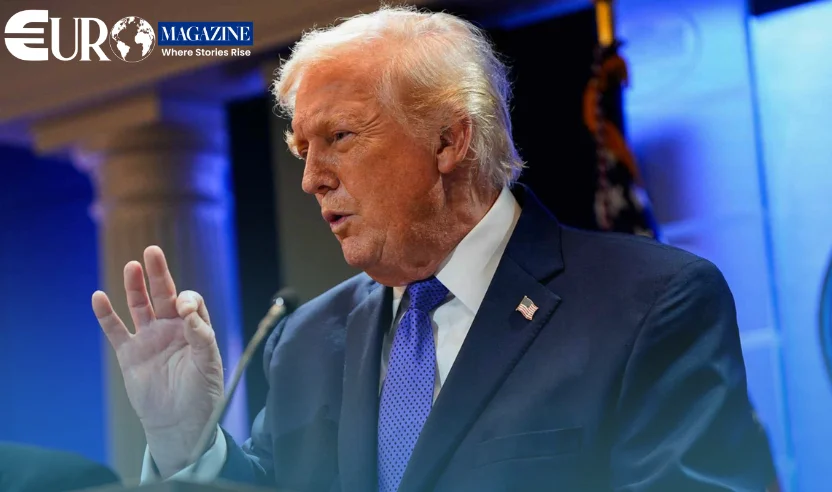


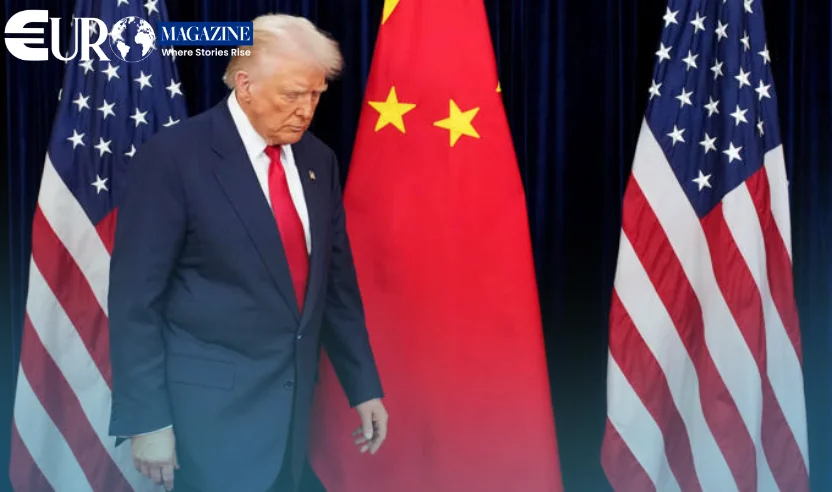
US President Donald Trump has signalled that his planned summit with Chinese President Xi Jinping in Beijing later this month could be delayed as Washington presses Beijing to help reopen the Strait of Hormuz, a critical global oil shipping route disrupted by the ongoing conflict involving Iran.
In an interview with the Financial Times on Sunday, Trump said he expected China to play a role in reopening the strategic waterway before he travels to Beijing for the summit, which had been scheduled for March 31 to April 2.
“We may delay,” Trump said, indicating that Washington wants more clarity on the situation before confirming the visit.
The comments highlight growing diplomatic pressure between the two powers ahead of what was expected to be a high-stakes meeting between the leaders.
Pressure Ahead of Planned Summit
Trump’s remarks came as US Treasury Secretary Scott Bessent met with Chinese Vice Premier He Lifeng in Paris to discuss economic cooperation and preparations for the proposed summit.
Beijing has not yet officially confirmed the summit dates, which Chinese authorities typically announce closer to the time of the visit.
If it takes place as planned, the meeting would mark the first visit by a US president to China since Trump’s trip during his first term in 2017.
The upcoming summit also follows a meeting between Trump and Xi in Busan, South Korea, in late 2025, where the two leaders agreed to a one-year truce in a trade dispute that had previously triggered sharp tariff increases between the two economies.
Chinese Foreign Minister Wang Yi said earlier this month that preparations for the exchange were already underway.
Strait of Hormuz at the Center of Tensions
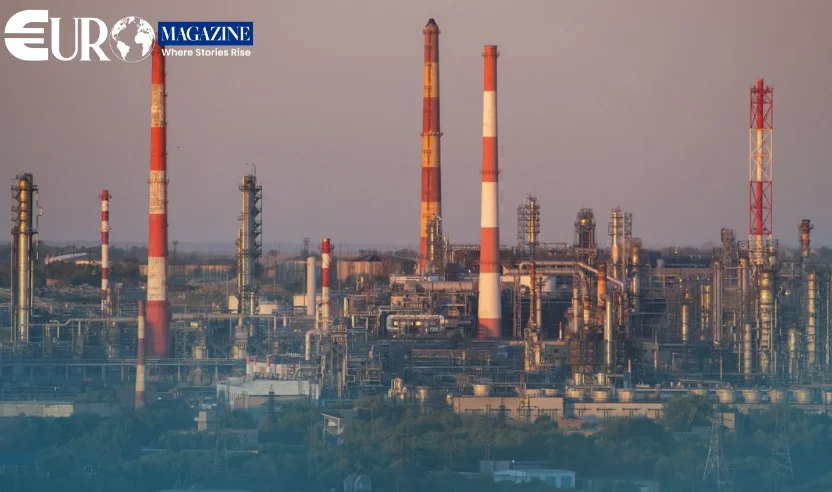
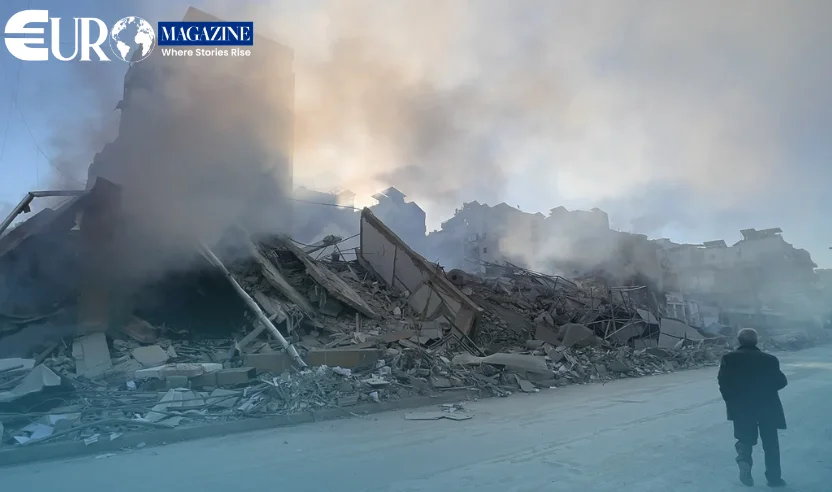
The Strait of Hormuz has become a central issue in global geopolitics following rising tensions in the Middle East. The narrow waterway connects the Persian Gulf with global shipping routes and carries roughly one-fifth of the world’s daily oil supply.
The United States has urged several countries, including China and European allies, to assist in efforts to keep the shipping lane open amid regional instability.
Trump said China had a strong interest in restoring safe passage through the strait, suggesting that Beijing sources about 90% of its oil imports through the route.
However, analysts say the situation may be more complex than the president’s remarks suggest.
China’s Energy Strategy
Experts note that China has spent years diversifying its energy supply sources and building strategic reserves to protect its economy from disruptions.
Estimates suggest that China currently holds around 1.2 billion barrels of crude oil in storage, enough to meet domestic demand for approximately three to four months.
According to research cited by energy analysts, oil shipments passing through the Strait of Hormuz account for less than half of China’s total seaborne oil imports.
Additional data indicates that oil transported through the strait represents only about 6.6% of China’s total energy consumption, reducing its vulnerability to disruptions in the shipping route.
Satellite imagery monitored by maritime research firms also suggests that Iran has continued exporting significant volumes of crude oil to China since the start of the current conflict.
Analysts See Political Signalling
Some policy experts believe Trump’s remarks may be part of a broader strategy to increase pressure on Beijing ahead of the planned summit.
Edward Fishman, a senior fellow at the Council on Foreign Relations, described the comments as political signalling rather than a concrete threat to cancel the meeting.
Fishman said Beijing is unlikely to deploy naval forces to assist in reopening the strait and suggested that the summit is still likely to take place.
He also pointed to China’s long-term investment in renewable energy technologies, including solar panels, batteries, and electric vehicles, which may help the country reduce its exposure to fossil fuel supply disruptions.
Rising Trade Tensions
At the same time, tensions between the two economic powers have increased in recent weeks.
The United States has launched a series of trade investigations into multiple countries over alleged excess production capacity and labour concerns.
China’s Ministry of Commerce criticised the move on Monday, accusing Washington of misusing the Section 301 investigation process.
In a statement, the ministry described the investigations as “unilateral, arbitrary and discriminatory” and said Beijing had formally raised objections with US officials.
Chinese authorities also warned they would closely monitor the situation and take measures to protect the country’s economic interests if necessary.
Uncertain Path Ahead
Despite the growing tensions, diplomatic engagement between Washington and Beijing continues.
Officials from both countries say dialogue remains the preferred path forward as global economic and geopolitical pressures intensify.
With the proposed summit approaching and the situation in the Strait of Hormuz still unresolved, the coming weeks are expected to play a key role in shaping the direction of US-China relations and global energy stability.