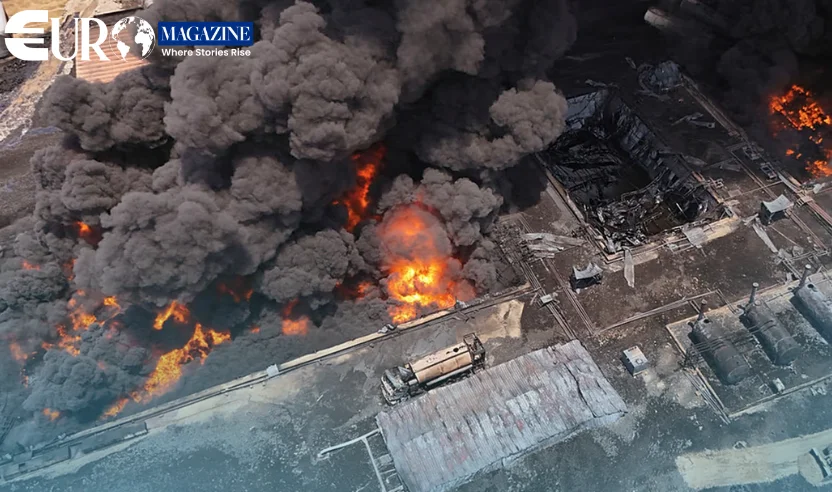

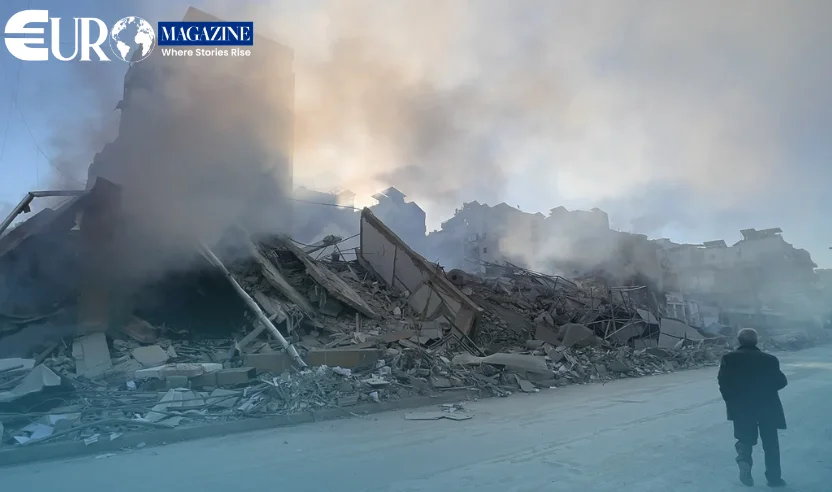
The economic impact of the ongoing Iran war is spreading across the global economy, driving higher energy prices, raising concerns about food supplies, and creating challenges for central banks trying to control inflation.
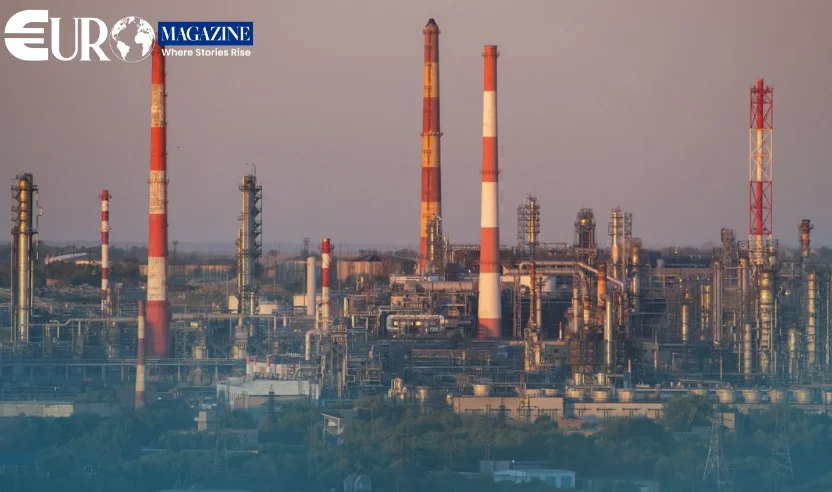
One of the biggest concerns is the Strait of Hormuz, a critical shipping route through which about 20% of the world’s oil supply passes. The waterway has been largely disrupted since the United States and Israel began missile strikes against Iran nearly two weeks ago.
Economists say the disruption has already pushed oil prices sharply higher. Crude prices jumped from below $70 per barrel in February to nearly $120 earlier this week, before stabilising around $90 per barrel.
The increase in oil prices is also pushing fuel costs higher. In the United States, the average price of gasoline rose to $3.48 per gallon, compared with just under $3 a week earlier, according to the American Automobile Association (AAA).
Experts warn that Europe and Asia could face greater pressure, as these regions depend more heavily on oil and gas imports from the Middle East.
The conflict is also affecting global food production. According to the International Food Policy Research Institute, about 30% of the world’s fertiliser exports pass through the Strait of Hormuz. Disruptions to shipments are already raising fertiliser costs, which could increase food prices in many countries.
Low-income nations are expected to face the most serious risks. Economists warn that higher fertiliser prices could lead to reduced agricultural production and potential food shortages.
The crisis is also creating a policy dilemma for central banks. Rising energy prices tend to push inflation higher while also slowing economic growth. This makes it difficult for policymakers to decide whether to raise interest rates to control inflation or lower them to support economic activity.
Despite the uncertainty, some economists believe the global economy could still absorb the shock if the conflict remains short-lived and energy prices return to lower levels.
However, analysts say the duration of the conflict will be the key factor determining how severe the global economic impact becomes.