
Iran’s recent strikes on energy infrastructure across the Gulf region have triggered major concerns in global markets, raising fears of a possible economic slowdown if the conflict continues.
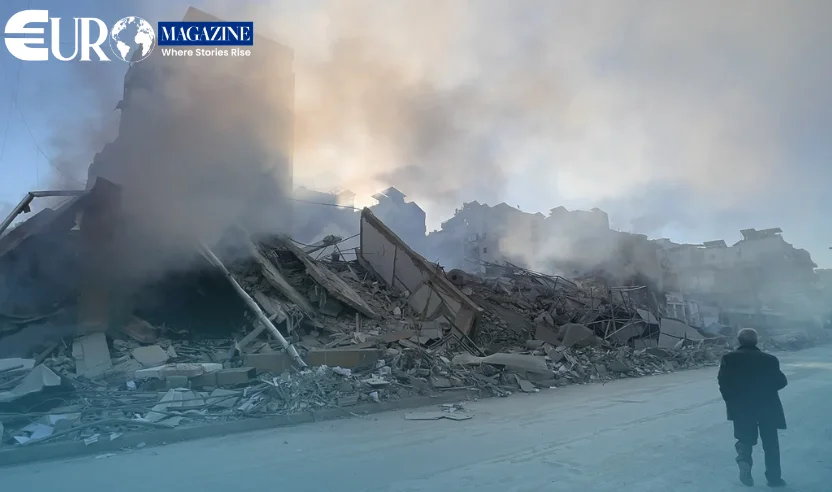
The attacks come just one week after the war in the region escalated, with Iran launching drone and missile strikes across several areas in the Gulf and even targeting Azerbaijan. The strikes have affected key energy facilities and shipping routes that are vital for global oil and gas supplies.
Energy Infrastructure Across the Gulf Targeted
Iran has said its attacks are aimed at US and Israeli interests, but several energy facilities across the Gulf region have also been affected.
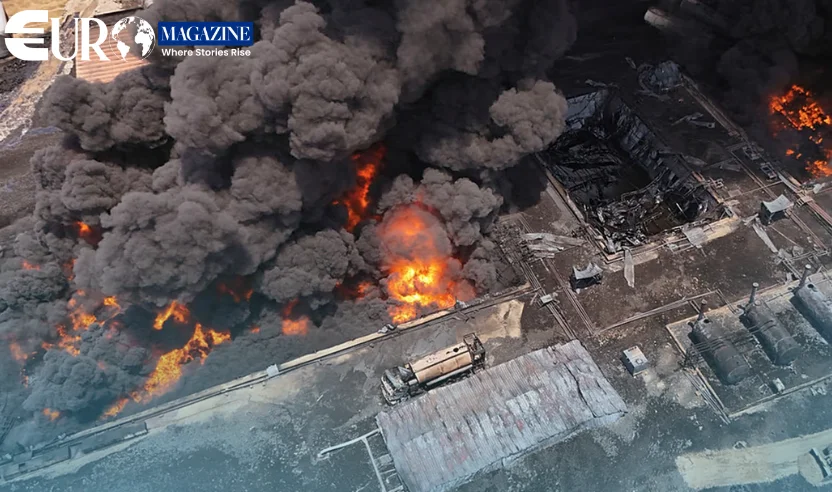
Missile and drone strikes reportedly targeted energy infrastructure that supports global oil and gas supply. These facilities play a major role in powering economies around the world.
Energy analysts say disruptions to such infrastructure could affect global energy balance and drive prices higher.
Strait of Hormuz Disruption Raises Supply Concerns
Another major concern is the Strait of Hormuz, one of the world’s most important oil shipping routes.
Nearly 20% of global oil supply passes through this narrow waterway connecting the Persian Gulf to international markets.
Reports indicate that Iran has tightened control around the area, leaving more than 200 ships stranded, according to maritime trade reports. Any disruption to shipping through the strait could have immediate effects on global oil markets.
LNG Production Halted in Qatar
The conflict has also affected natural gas production. Qatar temporarily halted operations at its major liquefied natural gas (LNG) facilities after drones reportedly targeted operational areas in Mesaieed and Ras Laffan Industrial City.
Qatar is the world’s largest LNG exporter, accounting for roughly 20% of global supply, making any disruption significant for international energy markets, particularly in Europe and Asia.
Energy Facilities in Saudi Arabia and Iraq Impacted
Iranian strikes have also affected energy operations in other countries.
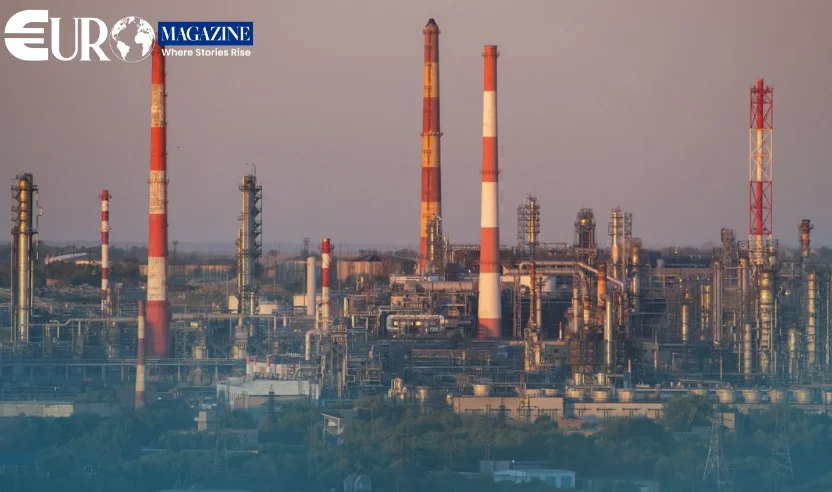
The largest oil refinery in Saudi Arabia was forced to shut down following attacks, while oil production in Iraq and gas fields in Israel have also experienced disruptions.
Some of Dubai’s major ports, which serve as important trade and logistics hubs, have also reportedly been impacted.
Experts Warn of Global Economic Impact
Energy and economic experts say prolonged disruptions could have serious global consequences.
Qatar’s Energy Minister Saad al-Kaabi warned that the ongoing conflict could significantly affect the global economy.
He said if the war continues for several weeks, it could slow economic growth worldwide, increase energy prices, and disrupt industrial supply chains.
Rising Risk of Global Recession
Economists say a complete blockage of the Strait of Hormuz could create major economic challenges.
Dr. Yousef Alshammari, president of the London College of Energy Economics, said such a blockade could increase the risk of a global recession.
Higher energy prices could push up inflation and reduce economic activity in many countries.
Gas prices have already increased significantly in parts of Europe, although oil markets have not yet reacted as sharply as analysts initially expected.
Unclear Military Strategy Behind Attacks
Some analysts have questioned the strategy behind Iran’s widening attacks, particularly strikes targeting Azerbaijan and other countries outside the main conflict zone.
Former US ambassador to Azerbaijan Matthew Bryza said the attacks appear inconsistent with a clear military strategy.
He suggested Iran may be attempting to create economic pressure on the United States and its allies by disrupting global energy supply chains.
Others believe some military commanders may be acting independently following earlier instructions from Iranian leadership.
Global Markets Remain on Edge
As the conflict continues, global markets are closely watching developments in the Gulf region.
Energy prices, shipping routes, and supply chains remain highly sensitive to any escalation in the conflict, making the coming weeks critical for the global economy.