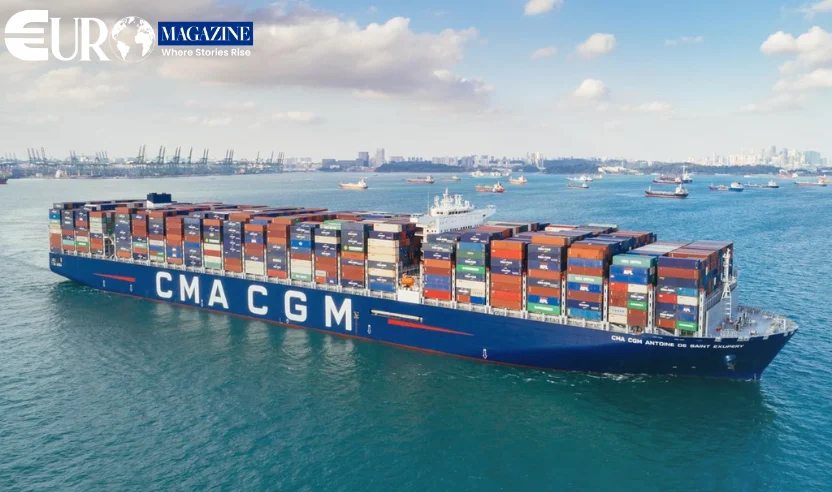


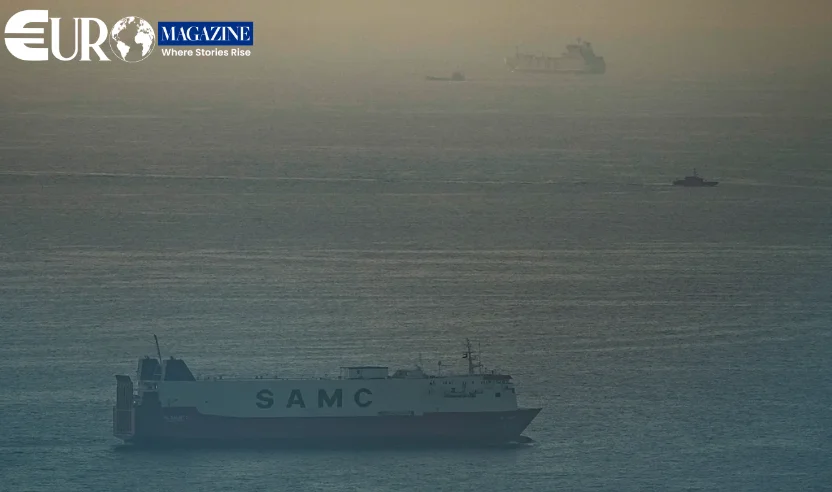
A container vessel linked to French shipping group CMA CGM has crossed the Strait of Hormuz, marking the first known transit by a Western European-associated ship since the outbreak of the Iran conflict in late February. Shipping data indicated that the Maltese-flagged vessel, CMA CGM Kribi, moved eastbound from waters off Dubai on Thursday, navigating along the designated corridor near Iran’s coastline
The vessel had remained stationary in the Gulf since early March, reflecting a broader pause in commercial shipping activity following heightened regional tensions. Its movement now signals a potential shift toward the gradual resumption of maritime operations.
According to available data, the ship maintained identification of its French ownership while transiting between Qeshm and Larak islands, a route considered part of an approved navigation channel.
Industry sources suggest the transit was coordinated with Iranian maritime authorities, although operational details were not publicly disclosed.
The vessel is reportedly en route to Pointe Noire in the Republic of Congo, operating on a trade route connecting India, the Gulf region, and Africa.
The crossing follows earlier movements by vessels with Chinese affiliations, which were among the first to resume passage through the strategic waterway after the conflict disrupted traffic.
Market observers say the successful transit could influence other global carriers to reconsider routes through the Strait of Hormuz, depending on security conditions in the coming days.
Separately, Iranian officials indicated ongoing discussions with Oman to establish a framework aimed at securing shipping routes through the strait. The proposed measures may include structured transit protocols and new regulatory requirements for vessels.
In a related development, an LNG tanker has also entered the Strait of Hormuz, potentially marking the first such attempt since the conflict began. The vessel, identified as Sohar LNG, was not carrying cargo and adjusted its route toward Oman’s Qalhat LNG terminal before proceeding eastward.
If completed, the transit would represent a significant step toward restoring energy shipments through the corridor.
Since the start of the conflict, energy carriers, including oil tankers and gas vessels, have largely avoided the region due to elevated risks and limited insurance coverage, while container ships have led initial trial movements.
The Strait of Hormuz remains one of the world’s most critical maritime chokepoints, handling a substantial share of global energy and trade flows.