
Long-term resilience has become a defining priority for European companies operating in an era of constant disruption. Economic uncertainty, regulatory complexity, geopolitical tensions, digital transformation, and workforce evolution have collectively changed how businesses plan for the future. In response, European organizations are moving away from short-term survival tactics and toward structured, sustainable models designed to endure over time.
Rather than reacting to individual crises, resilient European companies focus on building systems, cultures, and strategies that allow them to adapt continuously while protecting long-term value.
Understanding Long-Term Resilience in European Business
In the European context, resilience is not limited to crisis management or rapid recovery. It refers to an organization’s ability to maintain stability, credibility, and operational continuity across economic cycles.
European companies typically approach resilience as a long-term discipline rather than an emergency response. This mindset is influenced by strong regulatory environments, stakeholder-focused governance, and a cultural emphasis on sustainability and responsibility.
Resilience, therefore, becomes a strategic advantage rather than a defensive measure.
Long-Term Strategic Planning Over Short-Term Performance
One of the most important ways European companies build resilience is through long-term strategic planning. While global markets often emphasize quarterly results, many European businesses prioritize sustained growth and risk mitigation.
Key elements of this approach include:
-
Multi-year planning frameworks that account for economic and regulatory change
-
Scenario analysis to prepare for multiple future outcomes
-
Balanced growth strategies that avoid overexposure to single markets or products
By aligning decisions with long-term objectives, companies reduce vulnerability to sudden shocks and avoid reactive decision-making during periods of uncertainty.
Strong Governance and Integrated Risk Management
Corporate governance plays a central role in resilience across European businesses. Well-defined governance structures ensure accountability, transparency, and consistency in decision-making.
European companies increasingly embed risk management into core governance practices rather than treating it as a separate function. Boards and senior leadership teams actively assess financial, operational, regulatory, and reputational risks as part of strategic planning.
This integrated approach allows organizations to identify vulnerabilities early and respond proactively, strengthening long-term stability.
Supply Chain Resilience and Operational Continuity
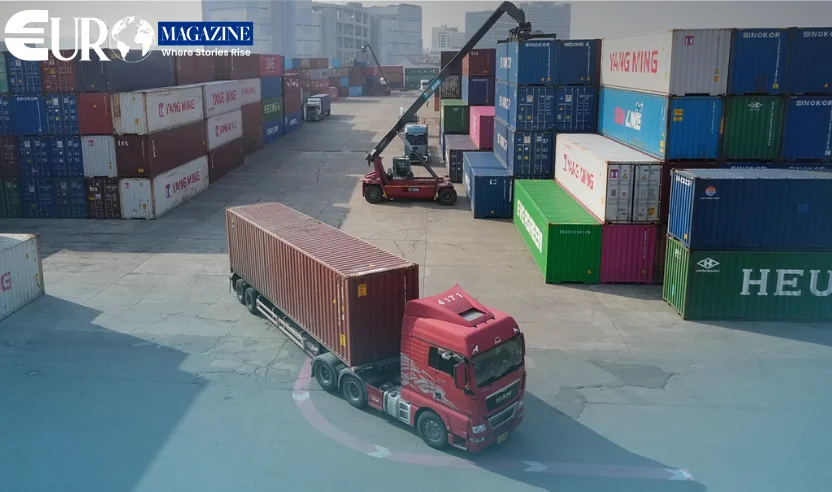
Supply chain disruption has highlighted the importance of operational resilience. European companies are reassessing traditional sourcing models and shifting toward more diversified and resilient supply networks.
Common resilience strategies include:
-
Reducing reliance on single suppliers or regions
-
Investing in regional or nearshore sourcing options
-
Building long-term partnerships with trusted suppliers
-
Improving supply chain visibility through digital tools
Rather than prioritizing cost efficiency alone, resilient organizations focus on reliability and adaptability, ensuring continuity even during global disruptions.
Investing in Workforce Stability and Skills
A skilled and engaged workforce is a critical foundation of long-term resilience. European companies recognize that adaptability depends on people as much as processes.
To strengthen workforce resilience, companies focus on:
-
Continuous upskilling and reskilling programs
-
Leadership development and succession planning
-
Employee well-being and work-life balance
-
Inclusive and supportive workplace cultures
By investing in employees over the long term, organizations preserve institutional knowledge and maintain operational strength during periods of change.
Using Technology to Strengthen, Not Replace, Core Systems
Technology is an essential enabler of resilience, but European companies tend to adopt it thoughtfully. Digital transformation initiatives are aligned with long-term operational goals rather than short-term trends.
Key technology priorities include:
-
Secure and scalable digital infrastructure
-
Data-driven decision-making tools
-
Cybersecurity and data protection measures
-
Automation that enhances efficiency without increasing dependency
This balanced approach ensures that technology strengthens organizational resilience rather than creating new vulnerabilities.
Sustainability and ESG as Resilience Drivers
Sustainability is deeply linked to resilience in European business. Environmental, social, and governance (ESG) considerations are increasingly integrated into strategic planning and risk management.
By embedding sustainability into business models, European companies:
-
Reduce exposure to regulatory and environmental risks
-
Improve resource efficiency and long-term cost control
-
Build trust with customers, investors, and communities
-
Strengthen brand credibility and stakeholder relationships
Sustainability, therefore, becomes a long-term stabilizing force rather than a compliance obligation.
Financial Discipline and Capital Stability
Financial resilience remains a cornerstone of long-term stability. Many European companies prioritize conservative financial management, focusing on liquidity, controlled debt levels, and disciplined capital allocation.
This approach allows organizations to:
-
Absorb economic shocks without drastic restructuring
-
Continue investing during downturns
-
Protect employees and core operations
-
Maintain strategic flexibility
Financial prudence provides the foundation on which other resilience strategies can succeed.
Building an Adaptive Organizational Culture
Beyond systems and strategies, resilient European companies cultivate cultures that encourage learning and adaptability. Open communication, cross-functional collaboration, and accountability enable organizations to respond effectively to change.
Leadership plays a crucial role in reinforcing this culture by promoting transparency, encouraging innovation, and supporting continuous improvement. An adaptive mindset allows companies to evolve without losing their core identity.
Learning from Disruption to Strengthen the Future
European companies that succeed over the long term treat disruption as a learning opportunity. Rather than implementing temporary fixes, they analyze challenges systematically and strengthen underlying structures.
This continuous learning approach transforms crises into catalysts for improvement, reinforcing resilience at every level of the organization.
Conclusion: Why Resilience Defines the Future of European Business
Long-term resilience has become a defining characteristic of successful European companies. By focusing on strategic planning, governance, workforce development, sustainable practices, and financial discipline, organizations are building models designed to endure uncertainty.
Resilience in Europe is not about avoiding risk, but about managing it intelligently and responsibly. As global challenges continue to evolve, the European approach to resilience offers a practical blueprint for sustainable business success.
You can also read:-